Solar power for camping works by capturing sunlight, converting it into electricity, storing that energy in a battery, and using it later to run essential gear off-grid. This setup lets campers charge phones, lights, cameras, portable fridges, and small appliances without relying on campground hookups or fuel generators. A basic off-grid system usually includes portable solar panels, a charge controller or regulated input, battery storage, and output ports for AC, USB, or DC devices. The main idea is simple: collect energy during sunny hours and use it when needed. Once you understand how power is generated, stored, and managed, choosing the right solar camping setup becomes much easier and more practical for longer trips.
How Does Solar Power for Camping Work?
How Solar Panels Turn Sunlight Into Usable Electricity
Portable solar panels use photovoltaic cells to convert sunlight into direct current electricity. When sunlight hits the cells, it excites electrons and creates an electrical flow that can be captured and sent to your power system. For camping, this DC power usually passes through regulated solar input or a charge controller to protect the battery and improve charging efficiency. The amount of electricity produced depends on panel size, sunlight intensity, angle, temperature, and shading. In strong sun, panels can recharge batteries steadily during the day, helping you stay powered in remote locations. This is why panel placement matters so much off-grid: better exposure means faster charging and more usable energy for your camping equipment when you need it.
How Portable Power Stations Store and Deliver Energy
A portable solar power for camping stores the electricity collected from solar panels in an internal battery, then delivers it through different output ports when you need to run devices. It acts as the hub of an off-grid camping setup, managing charging, storage, and power distribution in one unit. Instead of using raw solar power directly, campers typically charge the battery first and then draw stable power later for lights, cooking gear, communication devices, or overnight essentials. Most models include AC outlets, USB ports, and DC outputs, so they can support many types of equipment. Built-in battery management systems also help regulate voltage, improve safety, prevent overcharging, and protect connected electronics during changing outdoor conditions and repeated daily use.
What Equipment Do You Need for Off-Grid Solar Camping?
Portable Solar Panels, Charge Controllers, and Batteries
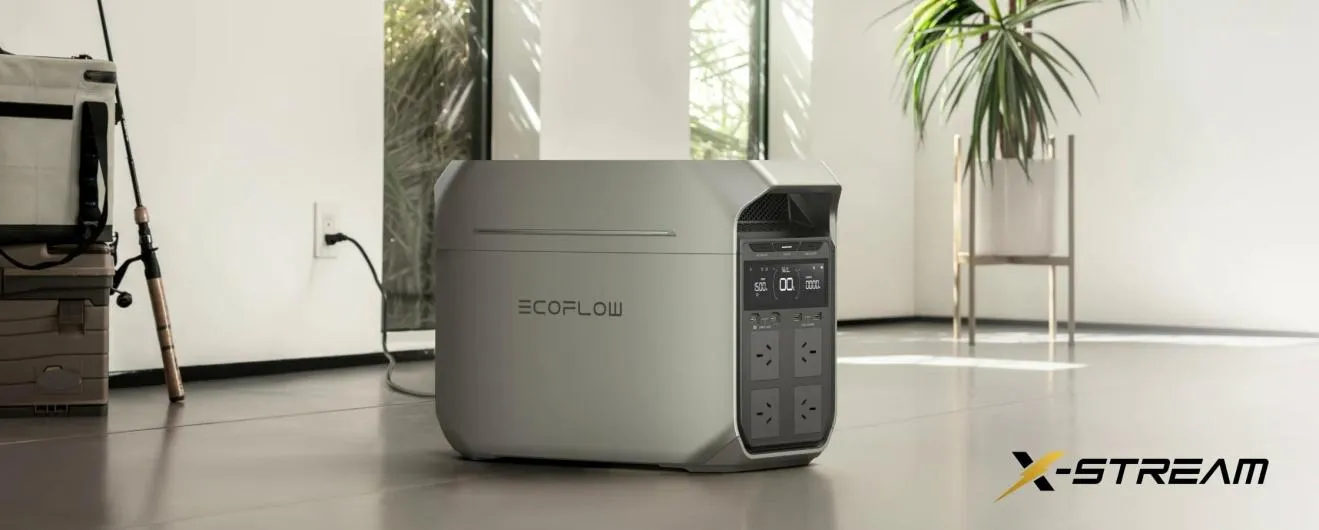
An off-grid solar camping system needs three core parts: solar panels to generate electricity, charging regulation to manage the incoming power, and a battery to store energy for later use. Many modern portable power stations already include regulated solar input, which simplifies setup and reduces extra gear. Capacity matters because it determines how long you can run your equipment between charges. For example, the ecoflow australia DELTA 3 Plus Portable Power Station offers 1024Wh of capacity in a compact unit weighing no more than 12.5 kg, with dimensions of 398 x 202 x 284 mm. It includes 11 total output ports, four 1800W AC outlets with 3600W surge, X-Boost support up to 2400W, USB-A, USB-C, DC5521 outputs, and solar input of 11V-60V with 2 x 500W max.
How to Connect Solar Panels to a Portable Power Station
Connecting solar panels to a portable power station is usually straightforward. First, place the panels in direct sunlight and check that their voltage and connector type match the station’s supported solar input range. Next, connect the panel cable to the solar charging port, making sure the connection is secure and dry. Once connected, the power station should begin accepting input automatically if sunlight is sufficient. Then plug your devices into the appropriate AC, USB, or DC output ports on the station. Before a trip, test the complete setup at home so you can confirm charging speed, cable compatibility, and expected runtime. This also helps you estimate how much solar input you need each day based on your camping gear and energy use.
How Can You Keep Solar Power Running Off-Grid?
Position Solar Panels for Better Charging Efficiency
To keep solar power working well off-grid, position panels where they receive the strongest, longest exposure to direct sunlight. Aim them toward the sun instead of laying them flat whenever possible, and adjust their angle as daylight shifts. Even partial shade from trees, tents, or vehicle racks can reduce output sharply, so choose an open area with minimal obstruction. Keep panel surfaces clean because dust, pollen, and mud lower charging performance. If you are camping for several days, make panel checks part of your routine in the morning and early afternoon. Better positioning improves daily energy harvest, shortens charging time, and gives your battery more reserve power for evening use, especially when you need to run lights, refrigeration, or communication devices.
Save Battery Power During Cloudy Days and Overnight
Saving battery power is just as important as collecting it. Use high-draw appliances only when the sun is actively charging your system, and reserve stored energy for nighttime essentials. Switch off unused lights, lower fridge settings only as needed, and charge smaller electronics during the day instead of after sunset. Prioritize efficient devices such as LED lighting, USB-powered gear, and low-watt accessories. It also helps to track your battery level regularly so you can adjust power use before it gets too low. During cloudy weather, reduce nonessential loads and avoid running several demanding devices at once. Careful energy management extends your off-grid runtime, protects your battery reserve, and helps ensure your most important camping equipment stays powered without interruption.
Conclusion
Solar power for camping works off-grid by combining portable solar panels, regulated charging, battery storage, and practical energy management. The panels collect sunlight, the power station stores that energy, and your devices draw power from the stored supply when needed. For campers, the real advantage is independence: you can keep essentials running without shore power, noisy fuel equipment, or frequent recharging stops. A reliable setup starts with knowing your daily energy use and matching it to the right panel input and battery capacity. From there, good panel placement and smart battery-saving habits make a major difference. With the right equipment and a basic understanding of how the system works, off-grid solar camping becomes a dependable and convenient way to stay powered outdoors.