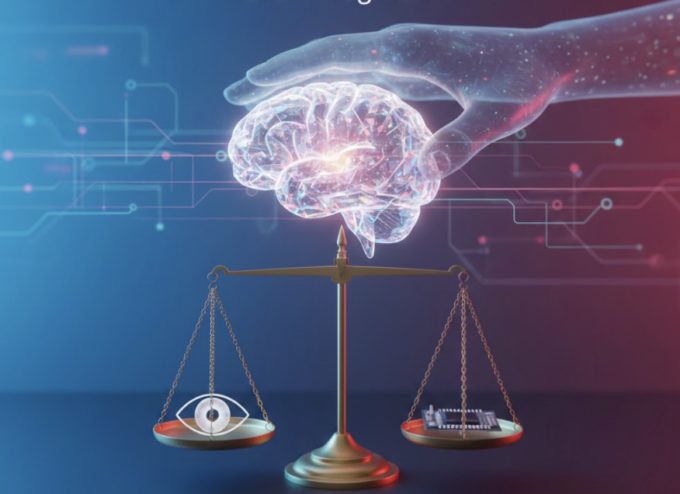
The integration of artificial intelligence into everyday transportation was supposed to eliminate human error and revolutionize road safety. Research from the Insurance Institute for Highway Safety previously indicated that self-driving technology could theoretically reduce traditional traffic accidents by a significant margin. However, as of late 2026, the transition to autonomous technology has proven far more complicated than tech visionaries initially promised. Software glitches, sensor blind spots, and unpredictable system behaviors are causing serious, sometimes fatal, accidents on public roads. As these automated driving systems fail in real time, the legal landscape is rapidly adapting. The focus is shifting away from the human driver and moving directly toward the software developers and vehicle manufacturers responsible for the underlying code.
The Rising Frequency of Automated Driving Incidents
Recent data highlights the growing pains of self-driving technology on a national scale. During the first half of 2026, the National Highway Traffic Safety Administration reported that crashes involving autonomous vehicles and driver-assist systems averaged between 92 and 144 incidents per month. These concerning figures reveal that while artificial intelligence can process vast amounts of sensor data instantly, it still frequently struggles with complex planning, unpredictable pedestrian movements, and execution-related driving errors. When an autonomous system fails with catastrophic results, families who have lost loved ones no longer just blame the human behind the wheel. Instead, they often pursue a wrongful death lawsuit against corporate manufacturers, arguing that the company released defective and dangerous software to the unsuspecting public.
This increase in accidents has prompted widespread safety recalls and aggressive regulatory action. Late last year, Waymo voluntarily recalled thousands of driverless vehicles after discovering a dangerous software defect. That specific glitch caused their autonomous cars to repeatedly and illegally drive past stopped school buses with flashing red lights. Similarly, robotaxi developer Zoox issued multiple software recalls following collisions where the vehicle system misjudged intersection traffic and braked unpredictably, leading to rear-end crashes. Readers following our updates in the law category know that these technical failures are not just public relations disasters. They represent the foundation of massive legal battles that test the limits of technology compliance.
Holding Tech Giants Financially Accountable
These high-stakes legal actions force tech giants to answer for their internal software testing methodologies and quality assurance processes in open court. Courts and juries are increasingly willing to hold these corporations financially responsible for the promises they make to consumers. According to legal analysis from the Brookings Institution, a Florida jury recently held Tesla partially responsible for a fatal accident involving its Autopilot system, requiring the company to pay $243 million in damages. This staggering verdict establishes a clear precedent. It proves that tech manufacturers will pay heavily if their systems allow for foreseeable human misuse or fail to operate safely under normal driving conditions.
New Legal Precedents Shaping the Industry
The traditional rules of the road are being rewritten to accommodate the realities of artificial intelligence and machine learning. As federal and state courts handle more of these complex cases, several new legal precedents are emerging that will dictate corporate liability for years to come. Technology developers can no longer hide behind lengthy user agreements or blame human inattentiveness entirely when their automated systems fail to prevent a crash.
Key shifts in the legal and regulatory framework include:
- The application of pure comparative fault rules, meaning a human driver’s negligence does not automatically shield the manufacturer from liability if the autonomous software lacked proper driver-monitoring safeguards.
- Massive corporate settlements, such as the multi-million dollar payout General Motors’ Cruise division made to a pedestrian after its robotaxi software misjudged an impact zone and dragged the pinned victim over 20 feet.
- Increased financial penalties from federal regulators, including civil penalties and criminal fines for falsifying crash reports during federal safety investigations.
- The allowance of fraudulent misrepresentation claims in court, which target tech executives who dangerously oversell the capabilities of their driver-assist software in marketing materials.
- Stricter state-level marketing regulations, with agencies concluding that terminology like “Autopilot” violates state laws by misleading consumers about the vehicle’s true capabilities.
As autonomous systems become more deeply integrated into commercial fleets and personal vehicles, the standards for software testing and digital quality assurance must improve dramatically. Corporate liability is no longer just a theoretical risk for artificial intelligence developers. It is a harsh financial reality that impacts the bottom line. Until automated software can safely navigate the highly unpredictable nature of human traffic, technology companies will continue to face intense legal scrutiny, massive regulatory fines, and landmark jury verdicts that demand total corporate accountability.