
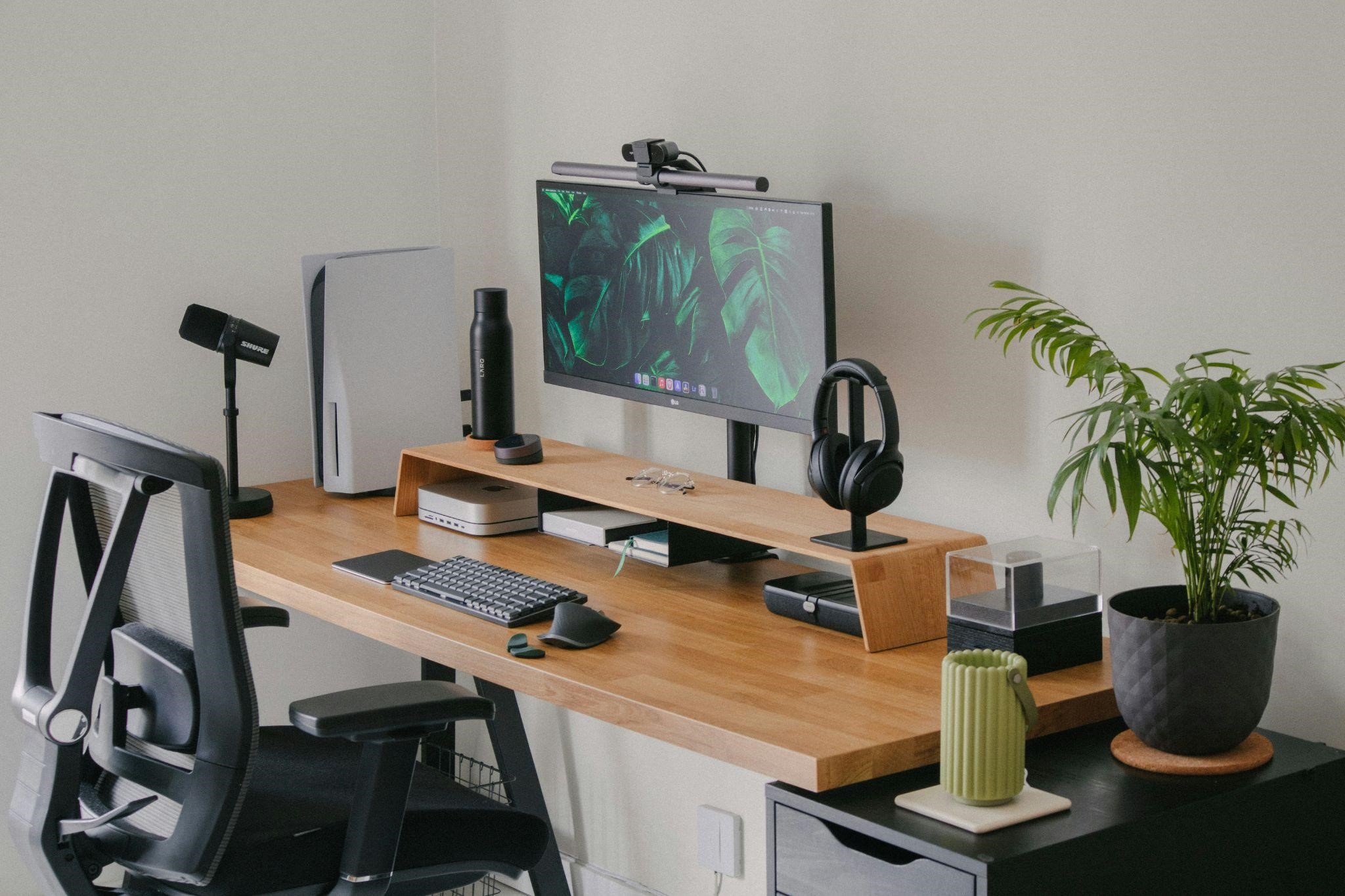
Cloud gaming for enterprises is transforming workplace tech by streamlining training, boosting collaboration, and reducing IT costs. Discover how this revolutionary technology, cloud gaming for enterprises, the future of workplace tech, offers scalable and immersive solutions that are shaping the future of enterprise technology.
The Evolution of Cloud Gaming in Enterprises
Cloud gaming represents a significant shift from traditional gaming, where local hardware was the cornerstone of the gaming experience, to a model that leverages powerful remote servers and cloud computing infrastructure. This transition has redefined how enterprises utilize gaming technology, making it more accessible and cost-effective. With advancements in internet infrastructure and streaming technology, the cloud gaming revolution has become a viable solution for businesses looking to innovate and enhance their operations.
One of the major advantages of cloud gaming is that cloud gaming eliminates the need for high-end gaming consoles and hardware. Instead, enterprises can stream high-quality gaming experiences from powerful remote servers, bypassing hardware constraints and focusing on software capabilities. This not only reduces costs but also democratizes access to gaming, allowing a broader audience to engage without the need for an expensive gaming console.
Moreover, cloud gaming platforms have significantly improved in terms of performance and accessibility. The global market reach and advancements in streaming technologies have made it possible for businesses to provide seamless gaming experiences to their employees, irrespective of their geographical location. This evolution in cloud gaming work has positioned it as a transformative tool in the enterprise landscape.
Benefits of Cloud Gaming for Workplace Training
Cloud gaming has emerged as a powerful tool for enhancing workplace training, offering immersive and engaging experiences that traditional methods often fail to provide. Companies can create interactive training modules using cloud gaming platforms, significantly improving employee engagement and learning effectiveness. The ability to simulate real-life scenarios and provide hands-on practice in a virtual environment can lead to better skill retention and application.
Furthermore, cloud gaming’s integration into corporate training programs has been successful across various industries, including education and healthcare. Companies utilizing cloud gaming have reported enhanced employee collaboration and engagement, showcasing the potential of this technology to transform traditional training methods.
Real-time Simulations and Scenarios
One of the standout features of cloud gaming is its ability to create realistic training simulations where employees can practice critical skills without real-world consequences. For instance, healthcare organizations are using cloud gaming to develop interactive training simulations that allow medical professionals to practice procedures in a risk-free environment. This not only enhances their skills but also boosts their confidence in performing real-world tasks.
Organizations can design lifelike simulations using cloud gaming to offer immersive experiences, enabling employees to refine their skills in a controlled setting within the value chain. This approach ensures that industry professionals start playing well-prepared for real-world challenges, ultimately leading to improved performance and productivity.
Gamified Learning Modules
The incorporation of gamification into training modules through cloud gaming has proven to be a game-changer for employee motivation and engagement. Integrating game design elements such as:
- Scoring systems
- Leaderboards
- Rewards allows companies to create training programs that are both educational and enjoyable. This gamified approach leads to:
- Higher completion rates
- Better retention of information.
Gamified learning modules also cater to the modern workforce’s preference for interactive and engaging content. Employees are more likely to stay motivated and committed to their training when it feels like playing a game rather than a mandatory task.
For companies that want to provide an even more immersive experience, incorporating ergonomic accessories like the lightest gaming mouse or customizable controllers can further enhance usability.
These lightweight devices reduce fatigue during long sessions and make interactive learning modules smoother, ensuring employees remain focused and engaged throughout their training programs.
Enhancing Collaboration with Cloud Gaming
Cloud gaming is not just about training; it also plays a crucial role in enhancing collaboration among employees. By providing shared virtual environments, cloud gaming platforms enable team members to interact seamlessly, regardless of their physical locations. This real-time collaboration can significantly boost teamwork and communication, making it easier for remote teams to work together effectively.
Companies like Microsoft and Google have leveraged cloud gaming technologies to facilitate virtual meetings and collaborative training sessions. These platforms offer tools that allow teams to share data, communicate in real-time, and work on projects collectively, resulting in improved team dynamics and overall productivity.
Virtual Team-building Activities
Virtual team-building activities using cloud gaming can transform the way teams interact and build relationships. Engaging in multiplayer games designed for team-building can help employees enhance their communication skills and strengthen their bonds in a fun and engaging environment.
For hybrid teams that combine in-person and virtual participants, integrating PA systems alongside cloud gaming ensures that communication remains clear and engaging for everyone. High-quality audio systems amplify the collaborative experience, making large-scale activities more inclusive and ensuring no participant feels disconnected. As a result, these events can truly bring distributed teams together in a way that feels cohesive and impactful.
Remote Work Solutions
With the rise of remote work, cloud gaming offers innovative solutions to keep remote teams connected and engaged. Cloud gaming platforms create collaborative environments that mimic in-office dynamics, making remote interactions feel more authentic and engaging. For employees who travel internationally, reliable connectivity is essential to access these platforms smoothly.
Services like Maxx data roaming Taiwan and similar global data roaming solutions ensure professionals can stay connected to cloud systems without interruption. This kind of reliable, cross-border access helps employees remain productive, collaborate effectively, and enjoy seamless gaming-driven workplace solutions no matter where they are.
Streamlining IT Infrastructure with Cloud Gaming
Cloud gaming has immense potential to revolutionize IT infrastructure by eliminating the need for expensive local hardware. Instead of investing in high-end gaming consoles and hardware, businesses can leverage powerful remote servers and high-quality internet connection to provide high-quality gaming experiences using cloud technologies and cloud infrastructure. This shift reduces costs and simplifies IT management.
The reliance on powerful remote servers in data centers allows businesses to host games remotely and stream them to any different devices, making gaming more accessible and affordable on the user’s device. This approach democratizes limited access to gaming and ensures that employees can enjoy immersive experiences without specific hardware requirements.
Cost-effective Hardware Solutions
One of the significant advantages of cloud gaming is its cost-effectiveness. Eliminating the need for expensive gaming hardware enables users to enjoy high-quality gaming experiences on various devices through cloud gaming. This not only reduces costs but also removes hardware limitations, making gaming accessible to a broader audience.
Future advancements in cloud gaming may see VR and AR technologies being streamed directly, further reducing the need for high-end hardware to experience immersive environments. This will make advanced gaming experiences previously unimaginable, more accessible and affordable for enterprises.
Scalability and Flexibility
Cloud gaming services offer extensive scalability, allowing businesses to adjust resources based on demand. This flexibility enables companies to respond effectively to changing demands, market conditions, and employee needs without significant capital investment, leveraging cloud services.
Subscription-based models and continuous improvements in cloud gaming technology ensure that businesses can scale their resources efficiently, minimizing financial risks and enhancing operational efficiency. This adaptability makes cloud gaming an attractive solution for enterprises looking to innovate and stay ahead of the competition with a monthly subscription and subscription based services.
Security and Compliance in Enterprise Cloud Gaming
Security and compliance are critical considerations for enterprises adopting cloud gaming. Cloud gaming platforms implement stringent security measures to protect user data and maintain privacy. This ensures that businesses can leverage cloud gaming without compromising sensitive information.
Moreover, compliance with industry standards and regulatory frameworks is essential for cloud gaming platforms to ensure data protection and user privacy. This section will delve into the specific measures and standards that cloud gaming services must adhere to.
Data Protection Measures
Robust encryption methods are essential for protecting user data during transmission in cloud gaming. Cloud gaming services implement strong encryption protocols and continuous monitoring of data transactions to safeguard sensitive business information. These measures ensure that data is secure both in transit and at rest.
Data protection is crucial for maintaining the integrity and security of cloud gaming services. By implementing these measures, cloud gaming providers can address security concerns and build trust with their enterprise clients.
Compliance with Industry Standards
Cloud gaming platforms must adhere to various regulatory frameworks, such as GDPR and CCPA, to ensure data protection and privacy compliance. These regulations set strict standards for how user data is collected, stored, and processed, ensuring that businesses meet legal requirements.
Compliance with industry standards is critical for cloud gaming platforms to maintain user privacy and data protection. Adhering to frameworks like SOC 2 ensures cloud gaming services meet the highest standards of data security and regulatory compliance.
Future Trends in Enterprise Cloud Gaming
The future of cloud gaming in enterprises is bright, with significant growth projected in the coming years. The cloud gaming market is expected to reach over $11 billion by 2030, driven by increasing enterprise adoption and advancements in technology. The integration of AI, machine learning, AR, and VR will create more personalized and immersive gaming experiences within the gaming industry, further enhancing their applications in the workplace.
Advancements in 5G and edge computing are expected to reduce low latency and improve performance, making cloud gaming a viable alternative to traditional setups. This section will explore these future trends and their potential impact on enterprise cloud gaming.
Integration with AI and Machine Learning
Artificial intelligence and machine learning are revolutionizing cloud gaming by enhancing its applications in the workplace. These technologies:
- Optimize video compression
- Reduce buffering times
- Create smoother gaming experiences These improvements are essential for effective training and collaboration in enterprises.
Leveraging AI and machine learning allows cloud gaming to provide more personalized and efficient experiences, making it a valuable tool for businesses aiming to innovate and enhance their operations.
Augmented Reality and Virtual Reality
Augmented reality (AR) and virtual reality (VR) are poised to transform the cloud gaming landscape for enterprises. AR creates immersive environmental interactions, allowing employees to engage with virtual elements in real-world settings, which can enhance training simulations and information retention.
VR offers immersive environments that can replicate real-world tasks and scenarios, providing realistic and safe training settings for employees. Leveraging AR and VR technologies allows cloud gaming to create engaging and effective training experiences for enterprises.
Case Studies: Successful Implementation of Cloud Gaming in Enterprises
Real-world case studies provide valuable insights into how cloud gaming can be effectively utilized in enterprise environments. Leading tech firms and diverse industries have successfully implemented cloud gaming, showcasing its adaptability and potential for innovative applications.
This section will present examples of companies that have integrated cloud gaming into their operations, highlighting the benefits and outcomes of these implementations.
Leading Tech Firms
Leading tech firms have been at the forefront of adopting cloud gaming for enterprise use. For instance, a notable tech giant incorporated cloud gaming in its employee onboarding process, using simulation games to accelerate learning and retention of corporate protocols. This method has proved effective in improving employee engagement and training outcomes.
These tech firms’ successful implementations demonstrate the potential of cloud gaming to transform traditional training methods and enhance overall productivity in the workplace, with profound implications.
Diverse Industries
Cloud gaming is being adopted by various industries, each finding unique ways to leverage this technology. In healthcare, cloud gaming is utilized for training medical professionals through simulations that improve procedural skills without risk to patients. The retail sector uses cloud gaming to create immersive customer experiences, enhancing product engagement through interactive demos.
The automotive industry benefits from cloud gaming platforms by creating complex vehicle simulations for training and design evaluation. In education, cloud gaming enables interactive learning environments where students can engage with material dynamically and collaboratively.
Summary
Cloud gaming is revolutionizing the enterprise landscape, offering innovative solutions for workplace training, collaboration, and IT infrastructure. By leveraging powerful remote servers and advanced streaming technologies, cloud gaming eliminates the need for expensive hardware while providing high-quality, immersive experiences. Security and compliance measures ensure that sensitive business data remains protected, while the integration of AI, machine learning, AR, and VR promises a future of enhanced, personalized, and efficient training and collaboration. Leading tech firms and diverse industries have already demonstrated the transformative potential of cloud gaming, paving the way for widespread adoption. Embrace the cloud gaming revolution and unlock new possibilities for your business.