Entertainment is changing faster than ever. The way people discover movies, follow celebrities, listen to music, watch television, and interact with their favorite creators has shifted significantly in recent years. Audiences are no longer limited to traditional television schedules, cinema releases, or monthly magazines. Today, entertainment can reach fans instantly through streaming platforms, social media, live events, podcasts, and digital communities.
These changes are not Jalwa Game about new technology. They are also changing what audiences expect from the entertainment industry. Fans want convenient access, fresh experiences, more diverse stories, and opportunities to feel connected to the people and franchises they enjoy.
The Rise of On-Demand Entertainment
One of the biggest changes in entertainment is the move from scheduled viewing to on-demand access. Instead of waiting for a particular program to air, viewers can often choose what they want to watch and when they want to watch it.
Streaming has made this habit especially common. People can watch a movie during a weekend afternoon, start a series late at night, or return to an older favorite whenever they want. This flexibility has made entertainment fit more naturally into different lifestyles.
Viewers Have More Choices
Having more options is convenient, but it also creates a new challenge. Audiences can quickly move from one program to another if something fails to hold their attention.
As a result, entertainment companies have a strong reason to focus on storytelling, production quality, memorable characters, and engaging formats. A large library alone does not guarantee that viewers will stay interested.
This has also encouraged fans to explore content from different countries and cultures. A successful series or film can now attract an international audience much more easily than in the past.
Social Media Is Changing Fan Culture
Social media has become an important part of modern entertainment. Fans can follow actors, musicians, filmmakers, sports personalities, and creators directly rather than relying entirely on traditional media coverage.
A new trailer, behind-the-scenes photograph, interview clip, or announcement can generate conversations within minutes. Fans can comment, share posts, create discussions, and respond directly to content.
Entertainment Is Becoming More Interactive
The relationship between audiences and entertainment brands is becoming more interactive. Fans are not simply watching from a distance; they are participating in conversations surrounding the content.
For example, viewers may discuss a television episode online immediately after it airs. Music fans may share reactions to a new album, while movie audiences can debate theories about an upcoming sequel.
This interaction can create a stronger sense of community. At the same time, it means entertainment companies have to pay close attention to audience reactions because public conversations can quickly influence a project’s reputation.
Short-Form Content Has Changed Attention Habits
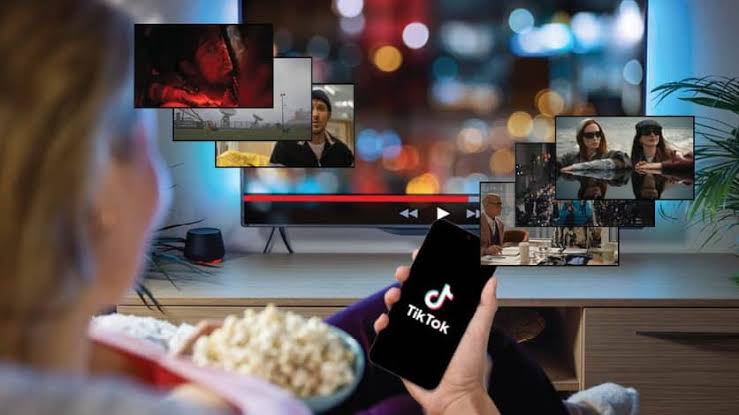
Short-form video has become another major influence on entertainment. Platforms built around brief videos have introduced audiences to quick comedy, music clips, commentary, challenges, tutorials, and creative performances.
This does not mean longer entertainment has disappeared. Instead, people are often consuming different formats throughout the same day.
Someone might watch a short comedy clip while taking a break, listen to a podcast during a commute, and later spend two hours watching a movie. Entertainment habits are becoming more flexible rather than being tied to one format.
Creators Can Build Audiences Directly
Digital platforms have also lowered some traditional barriers for creators. A talented performer or filmmaker can publish content online and gradually build an audience without depending entirely on traditional media companies.
This has created opportunities for independent creators, musicians, comedians, reviewers, and other entertainers. Their success can sometimes lead to professional partnerships, sponsorships, or larger production opportunities.
For fans, this means there is a much wider range of entertainment to discover beyond major studios and established celebrities.
Live Experiences Are Still Important
Despite the growth of digital entertainment, people continue to value real-world experiences. Concerts, festivals, fan conventions, theater performances, and other live events offer something that a screen cannot completely reproduce.
Being physically present with thousands of other fans creates a shared atmosphere. The excitement of a live performance, the energy of a crowd, and the memories created with friends can make these experiences especially meaningful.
Fans Want More Than Just Watching
Modern audiences increasingly appreciate entertainment that gives them a sense of participation. This could involve meeting performers, attending themed events, collecting merchandise, joining fan communities, or experiencing interactive attractions.
Entertainment businesses have recognized this demand and are finding ways to connect digital communities with physical experiences.
For example, a popular film franchise may extend beyond movies through live events, merchandise, exhibitions, games, or themed attractions. This creates multiple ways for fans to engage with the same entertainment world.
Personalization Is Becoming More Important
Another noticeable change is the growing importance of personalized entertainment. Digital services can use viewing and listening habits to recommend content that may interest individual users.
This can make discovering new entertainment easier. Someone who frequently watches documentaries may receive more documentary recommendations, while a listener who enjoys a particular music style may discover similar artists.
However, personalization also creates an interesting challenge. If recommendations become too narrow, people may repeatedly see similar content and miss something completely different.
For audiences, exploring beyond recommendations can still be valuable. Sometimes the most enjoyable movie, song, or series is something that does not immediately match an existing preference.
More Diverse Stories Are Reaching Audiences
Audiences are also paying close attention to representation and storytelling from different perspectives. Entertainment now reaches international audiences more easily, creating greater opportunities for stories that may once have remained primarily regional.
Films and series from different countries can attract viewers around the world, while musicians and creators can build international fan bases through digital platforms.
This broader access allows audiences to discover unfamiliar storytelling styles, languages, traditions, and creative ideas.
Authenticity Matters to Modern Audiences
Fans often respond strongly when characters and stories feel believable. Authentic performances and thoughtful storytelling can create emotional connections that are difficult to achieve through spectacle alone.
Entertainment does not always need the biggest budget to become successful. A well-written story with memorable characters can attract attention because audiences care about how a story makes them feel.
Franchises Continue to Influence Entertainment
Established franchises remain an important part of the entertainment industry. Familiar characters and fictional worlds can give audiences a reason to return, especially when a new installment expands an existing story.
At the same time, fans often expect something new from each release. Repeating the same formula without adding meaningful ideas can lead to audience fatigue.
Successful franchises therefore need to balance familiarity with innovation. A new installment may keep recognizable elements while introducing new characters, settings, conflicts, or storytelling approaches.
What Fans May Watch Next
The future of entertainment is likely to involve a combination of traditional and digital experiences rather than one completely replacing another.
Some trends fans are watching closely include:
- More personalized content discovery
- Continued growth of international entertainment
- Greater opportunities for independent creators
- Stronger connections between social media and entertainment releases
- More interactive fan experiences
- New approaches to live and digital events
- Continued experimentation with storytelling formats
The most successful entertainment businesses will likely be those that understand how audiences actually spend their time rather than simply following technology trends.
Conclusion
Entertainment is becoming more flexible, interactive, and global. Audiences have more choices than ever, and fans can now participate in conversations, communities, and experiences surrounding the content they love.
Streaming, social media, short-form video, live events, personalization, and international storytelling are all contributing to this transformation. Yet the basic reason people enjoy entertainment has not changed: they want stories, performances, characters, and experiences that make them feel something.
As the industry continues to evolve, fans will remain at the center of these changes. Their interests, expectations, and reactions will help shape what entertainment looks like next.