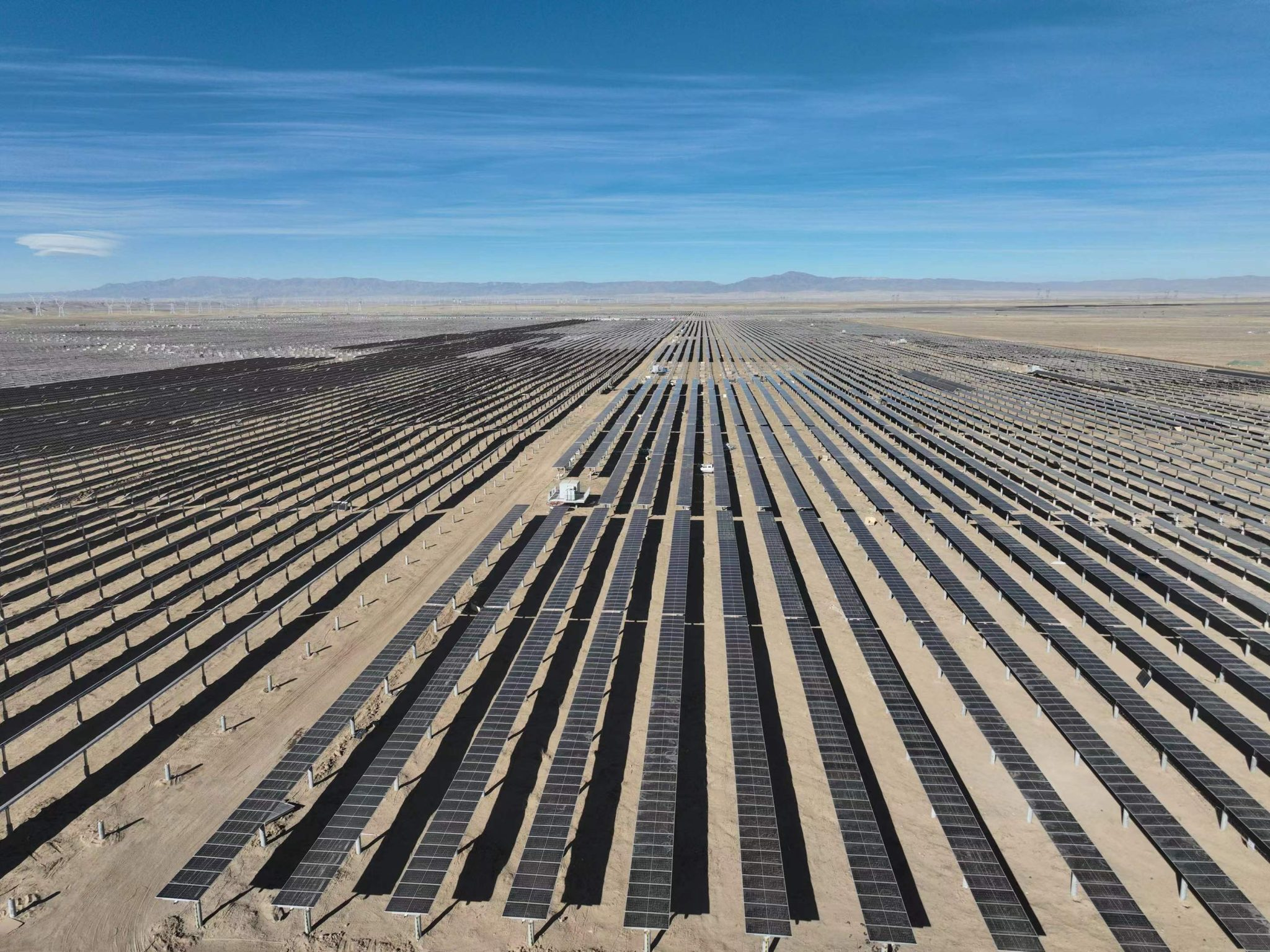
Utility-scale solar systems are a cornerstone of modern energy infrastructure, engineered to meet the substantial electricity demands of entire regions or municipalities. These large-scale installations, often spanning hundreds of acres, are capable of generating hundreds of megawatts to gigawatts of power, forming a critical component of a long-term, sustainable energy portfolio. As global demand for clean, renewable energy accelerates, gaining a clear understanding of the various types of utility-scale solar systems—including ground-mount fixed-tilt, single-axis tracking, and specialized mounting configurations—and identifying the leading companies that provide these solutions becomes paramount for investors, developers, and energy providers. This knowledge is essential for selecting efficient, reliable, and technologically advanced systems that can deliver consistent returns, ensure grid stability, and contribute meaningfully to decarbonization goals over the project’s multi-decadelifespan.
Types of Utility-Scale Solar Systems
Fixed-Tilt Systems
Among the most prevalent configurations in utility-scale solar development is the fixed-tilt system. In this approach, solar panels are mounted on a stationary structure set at a predetermined, optimal angle for the geographic location. This design is favored for its economic advantages, stemming from a less complex installation process and lower long-term maintenance requirements compared to tracking systems. Clenergy’s fixed-tilt solutions are engineered to deliver exceptional durability, with designs rigorously tested to withstand significant environmental loads, including high wind speeds and heavy snow accumulation. By providing a robust, reliable, and cost-effective foundation, Clenergy’s fixed-tilt systems ensure stable and efficient energy production over decades, making them a trusted and preferred choice for developers and investors focused on maximizing the performance and financial viability of large-scale solar power plants.
Tracking Systems
Tracking systems represent a technologically advanced approach within utility-scale solar projects, engineered to pivot solar panels so they follow the sun’s path from sunrise to sunset. This dynamic orientation maximizes direct sunlight exposure throughout the day, significantly boosting energy capture. By incorporating these solar trackers, utility scale solar companies can enhance the energy output of a photovoltaic plant by approximately 20% to 25% when compared to traditional fixed-tilt systems.
While the initial investment for tracking systems involves higher hardware and installation costs, this is strategically balanced by the substantial gain in energy production efficiency. The increased electricity yield improves the project’s overall financial metrics, including a higher capacity factor and a lower levelized cost of energy (LCOE) over its lifetime. Consequently, for utility scale solar companies operating in regions with high solar irradiance, investing in tracker technology is a compelling strategy to optimize land use, maximize return on investment, and deliver more power to the grid from the same footprint, making it an increasingly attractive option for modern, high-performance solar farms..
Bifacial Systems
Bifacial solar panels, capable of generating electricity from light captured on both their front and rear surfaces, are rapidly gaining adoption within the utility scale solar industry. This technology proves particularly effective in installations where surrounding surfaces are highly reflective—such as snowy landscapes, light-colored gravel, or desert sand—as these conditions amplify the albedo effect, sending additional light to the panel’s underside. To fully harness the potential of this advanced photovoltaic technology, the mounting infrastructure must be specifically designed to allow ample light penetration and reflection underneath the modules.
Clenergy provides specialized solar mounting systems engineered to optimize the performance of bifacial panels. These systems feature elevated, open designs that minimize shading on the rear side and utilize materials that enhance ground reflectivity. By ensuring optimal spacing, tilt, and ground clearance, Clenergy’s solutions enable bifacial panels to achieve their highest possible energy yield, thereby significantly boosting the overall efficiency and return on investment for utility-scale solar projects that incorporate this innovative panel technology.
Conclusion
The diverse range of utility-scale solar systems—including fixed-tilt, single-axis tracking, and bifacial configurations—each delivers distinct advantages tailored to specific project goals, geographic locations, and financial models. Fixed-tilt systems offer a balance of simplicity and proven reliability, while tracking systems maximize daily energy harvest, and bifacial panels leverage reflected light for enhanced yield. Clenergy stands out as a provider capable of supporting these varied technologies with its engineered mounting solutions. The company’s product lines, such as its robust fixed-tilt structures and specialized racking for bifacial panels, are designed to deliver secure, durable, and cost-effective foundations that form the backbone of any large-scale installation.
By prioritizing design efficiency and utilizing high-quality, corrosion-resistant materials, Clenergy’s systems contribute to reduced installation time and lower long-term labor and maintenance expenses. More importantly, they ensure the photovoltaic arrays maintain optimal alignment and stability for decades, which is essential for achieving and sustaining high energy output over the system’s entire lifespan. For energy providers, developers, and investors seeking reliable, high-performance, and long-term solar power plants, partnering with Clenergy provides access to the critical mounting infrastructure and expertise necessary to transform ambitious renewable energy projects into financially sound and operationally resilient assets, making the company an ideal and trusted collaborator in the utility-scale solar sector.