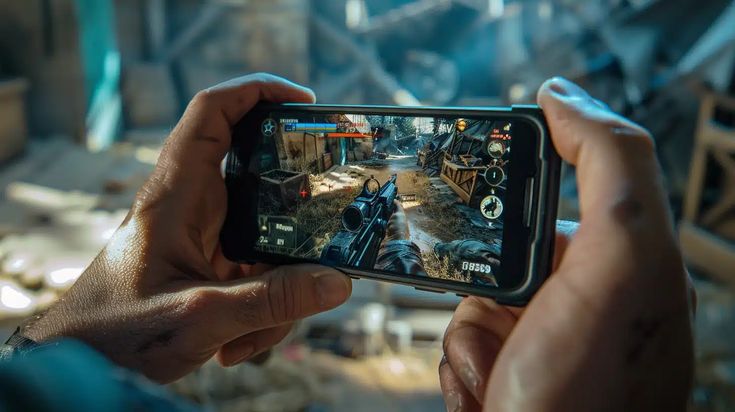
Online gaming has transformed dramatically over the past two decades, evolving from basic browser games to sophisticated interactive platforms that offer immersive experiences. This digital transformation has created new opportunities for entertainment, social interaction, and skill development across various age groups and demographics.
The rise of internet accessibility and improved technology has made online gaming more accessible than ever before. Players can now access everything from simple puzzle games to complex multiplayer environments, including casino-style entertainment platforms like Trip2vip online casino, all from the comfort of their homes. This convenience factor has contributed significantly to the industry’s rapid growth and widespread adoption.
## Technology Behind Modern Online Gaming
Modern online gaming relies on several technological foundations that ensure smooth, reliable gameplay. High-speed internet connections have eliminated many of the lag issues that plagued early online games, while cloud computing allows for more complex game mechanics and better user experiences. Server infrastructure has also improved dramatically, supporting thousands of simultaneous players without significant performance degradation.
Mobile technology has played a particularly important role in expanding the gaming audience. Smartphones and tablets now support sophisticated games that were once only available on desktop computers. This mobile revolution has made gaming more accessible to people who might not consider themselves traditional gamers, broadening the market considerably.
## Social Aspects of Online Gaming
One of the most significant changes in online gaming is the emphasis on social interaction. Many modern games incorporate chat systems, team-based gameplay, and community features that allow players to connect with others worldwide. These social elements have transformed gaming from a solitary activity into a shared experience that can build lasting friendships and communities.
Multiplayer online games often require cooperation, communication, and strategic thinking, skills that can translate to real-world benefits. Players learn to work in teams, solve problems collaboratively, and adapt to changing situations quickly. These experiences can be particularly valuable for younger players developing social and cognitive abilities.
## Security and Fair Play Considerations
As online gaming has grown, so have concerns about security and fair play. Reputable gaming platforms invest heavily in security measures to protect user data and financial information. Encryption technology, secure payment processing, and regular security audits have become standard practices across the industry.
Fair play mechanisms have also evolved to maintain game integrity. Anti-cheat systems, random number generators for games of chance, and transparent algorithms help ensure that all players have equal opportunities. These measures are particularly important for maintaining trust in competitive gaming environments.
## Economic Impact and Industry Growth
The online gaming industry has become a significant economic force, generating billions in revenue annually and creating numerous job opportunities. Game developers, designers, customer support specialists, and cybersecurity experts all contribute to this growing sector. The industry also supports related businesses such as streaming platforms, gaming hardware manufacturers, and content creators.
This economic growth has attracted investment from traditional entertainment companies and tech giants, leading to innovation and improved gaming experiences. The competition between platforms has generally benefited consumers through better features, more game variety, and competitive pricing.
## Looking Toward the Future
Emerging technologies continue to shape online gaming’s future. Virtual reality and augmented reality promise even more immersive experiences, while artificial intelligence could create more responsive and personalized gameplay. Blockchain technology is being explored for secure transactions and unique digital assets within games.
The online gaming industry’s continued evolution suggests that we can expect even more innovative and engaging experiences in the coming years. As technology advances and internet infrastructure improves globally, online gaming will likely become even more integrated into mainstream entertainment culture, offering diverse experiences for players of all interests and skill levels.