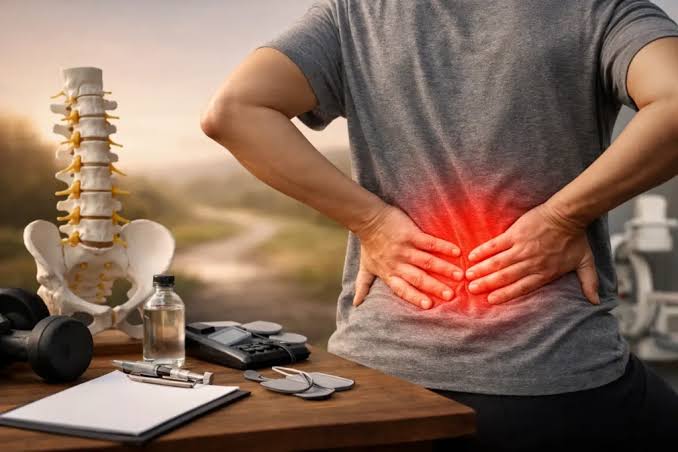
Physical therapy is a non-surgical treatment that may help those who are experiencing difficulty with movement, physical function or mobility issues due to back pain or stiffness. Rather than relying on just getting symptoms under control, a structured rehabilitation plan can tackle contributing factors including supporting muscles that are weak or inactive, ineffective movement patterns, restricted mobility, and poor posture. By learning to move better with the help of their professionals, patients can begin to learn to move in a manner that will lessen the effects on their spine and bring comfort to the activities they participate in daily.
If you’re thinking about discussing physical therapy Fremont, California, services, customised therapy could be a practical avenue to improved mobility and spine health in the long term. The next step is for a qualified therapist to study the patient’s movement, strength and flexibility, posture and functional limitations to develop treatment around the patient. This will help them cope with discomfort and help them develop their physical capacity for work, exercise, household work and other activities of daily living that they need to participate in.
Understanding the Causes of Back Pain
There are many causes of back pain, such as muscle strains, over-sitting, repetitive strain, inadequate lifting techniques, ageing, sporting injuries, and loss of core strength. Sometimes, the discomfort does not emerge after a single occurrence, but slowly. It is important to identify what may be causing the pain as resting would not necessarily solve movement/stability issues that could be causing the recurring symptoms.
A skilled examination may enable to throw light on the interaction of the spine, hips, pelvis and surrounding muscles. Therapists can look at a patient’s posture, gaits, range of motion, muscle control and functional movements. This information can then be used to inform a rehab program that is used to make changes in a realistic fashion, and not through a generic exercise program.
How Non-Surgical Rehabilitation Supports Spine Health
Non-surgical therapy will often focus on optimising the body’s functioning and moving without causing undue stress to painful areas. Therapeutic exercises, manual techniques, flexibility work, movement education and progressive strengthening may be part of the treatment.
One of the best things about rehab is that it can evolve with the client as they progress through the process. Early sessions may be aimed at restoring comfortable movement and minimising limitations, while later sessions increase strength, length of time this can be sustained, stability and injury prevention. The gradual progression gives patients an opportunity to build up physical resilience instead of obtaining immediate relief.
The Role of Back Pain Rehabilitation
Back pain treatment is more than just treatment for the pain. Factors in a patient’s job, daily routine, level of activity, previous injuries and movement patterns can all affect the recovery. These exercises will help strengthen abdominal, hip and back muscles, increase flexibility and coordination, which can be helpful to include a therapist.
Education is also an important part of rehabilitation. Patients may gain knowledge about safer methods of lift, sitting, exercise and activity modifications to support recovery. These hands on skills will help to minimise extra loads and promote better spine mechanics once formal treatment is completed.
Manual Therapy and Therapeutic Exercise
Hands-on treatment can be employed to help restore the freedom of motion in joints that are more restricted and to relieve tension in the surrounding soft tissue. If appropriate, Manual therapy may be used in conjunction with active exercises rather than merely passive care to create strength and control for sustaining improvement.
Mobility drills, core strengthening, postural exercises, stretching and functional movements are all examples of therapeutic exercise. The aim is not to do challenging exercises, but select exercises that are suitable for the condition and then add to physical ability at a gradual pace.
Supporting Back Pain Relief in Fremont
Those looking for back pain relief Fremont may want to seek treatment that addresses pain relief and lasting movement improvement. A rehabilitation professional can help identify activities that could be worsening symptoms and help find alternative activities for the recovering body.
People will know they’ve had multiple doses of something if it is more consistent. Repeating suggestions or recommendations between sessions, and cultivating healthy movement routines outside of sessions, can consolidate improvement within the session. Patient must also report symptoms as they change, which would enable one’s treatment programme to be adjusted accordingly.
Rehabilitation After Other Orthopedic Conditions
There are areas other than the spine which can cause issues to the health of the spine. Lack of strength or mobility in the legs can affect how the person walks and put extra strain on the back, for instance. Someone coming out of surgery may then need more comprehensive rehab that takes into account the entire movement system.
After surgery, knee replacement rehab therapy can help improve the strength, balance, walking ability and mobility of the lower leg. Another likely benefit are the improvements in these functions that can lead to the development of an efficient walking pattern and decreased compensatory motion that may have detrimental consequences on other aspects of the body.
Physical Therapy for Neurological Conditions
Liver rehabilitation won’t just be helping to deal with orthopedic issues. A person who has neurological movement problems can also receive specialized care. Therapists can attend to postural and motor dysfunction such as balance, gait, coordination, strength and independence in functioning, depending on each individual’s needs as a Parkinson’s disease patient.
Larger, more functional movements can be facilitated with programs like LSVT BIG and communication problems related to a PD can be addressed. While this treatment is not directly related to back pain rehabilitation, strengthening, mobility, balance and functional movement are all important components of achieving and maintaining good physical health long term.
While learning more about parkinsons physical therapy in murrieta ca, a patient might also discover special neurological rehab that can support them to remain active and independent within their movement difficulties.
How Rehabilitation Can Benefit Businesses
Incidences of back pain and other musculoskeletal issues may impact an employees attendance in the workplace, productivity, concentration and capacity to safely carry out their physical tasks. Injured employees can use accessible rehabilitation to help them recover and be ready to resume normal activity.
When employees receive suitable care at an early stage, this can be beneficial to businesses. This better mobility and physical function can decrease extended time off, promote safe work attendance and limit the risks of repeat issues. Rehabilitation in the workplace can also help employees learn safer movement methods, proper lifting techniques and safer habits in the workplace to help decrease unwanted physical stress.
Therefore, employee wellness investing can help people and business to stay healthy. It is good to have a staff that can move easily and carry out their work safely and without any problem.
Choosing a Non-Surgical Treatment Approach
When deciding on the best back rehabilitation provider, there are a few key considerations to take into account. A trustworthy provider ought to start with a comprehensive evaluation and design a treatment routine fit with the individual’s indicators and physical capabilities, lifestyle and objectives.
Imotion Physical Therapy offers rehabilitation services, which can cater to various physical and neurological requirements, with emphasis on providing functional improvement and individualised care. Patients should also seek continued assessment to see how they’re doing, communication with the doctor about symptoms and changes in symptoms, some progress with their exercises, and methods for education to aid recovery away from the clinic.
Conclusion
Non-surgical back pain treatment may help those seeking to improve the function of their spine, without resorting to the unnecessary invasive procedure. Rehabilitation can focus on addressing patient-related factors, as well as on promoting patient physiological function and resistance through therapeutic exercise, manual techniques, movement education, strengthening, and lifestyle advice.
A healthy spine in the long run is more than a period of only a few days during which it is made discomfort-free. Individually focus on improving mobility, maintaining good posture and developing stronger surrounding muscles in order to stay active and functional in daily life. When provided with a tailored rehabilitation regimen and active engagement, non-surgical care can be a critical component in workplace wellness, achieving and maintaining mobility, and safeguarding physical function for years, and even decades, to come.