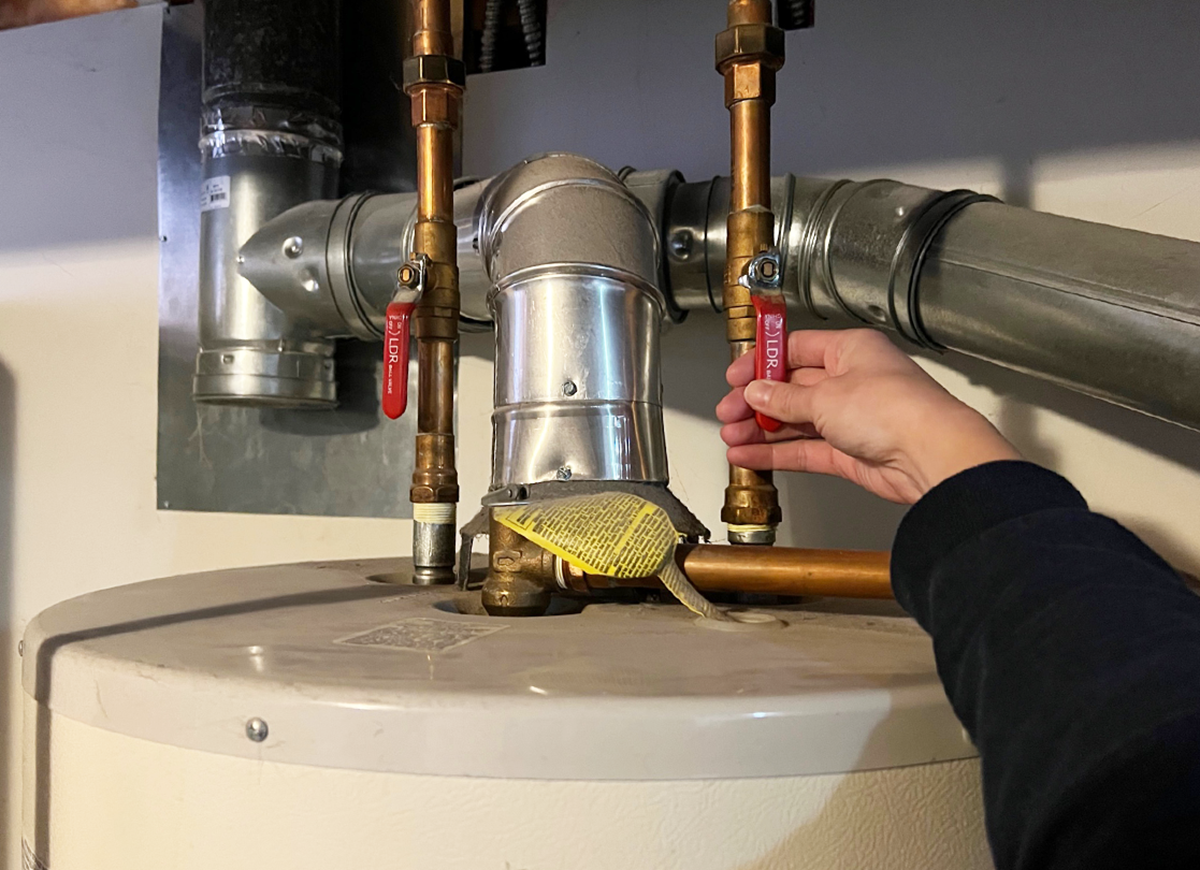
The water heater tank requires the anode rod as its main protective component to defend against corrosion. The anode rod breaks down through time while absorbing damaging mineral reactions and chemical substances inside the water supply. The walls of the boiler degrade when the replacement element for this component is not timely, resulting in leaks and extensive repair needs. Manufacturers suggest inspecting the anode rod twice every two to three years, and its replacement must happen every five years, but heavy water conditions may require more frequent replacement. Many property owners operating boilers ask themselves whether they can perform anode rod replacements without needing professional assistance to cut costs. The replacement process is technically feasible yet requires attention to some important details.
What should you consider before replacing the anode?
The replacement process involves working with electricity, plumbing, and threaded connections that may be acidified or difficult to dismantle. In addition, improper removal or installation of the new anode can damage the threads, leading to leaks or even the need for a complete replacement of the water heater. It should also be noted that in some boiler models, access to the anode rod is difficult, and it may be necessary to disassemble part of the body or use a flexible anode instead of the standard one. If you are not confident in your abilities or if access to the anode is difficult, it is best to contact a licensed plumber, such as Superior Plumbing & Heating of Brampton https://superiorplumbing.ca/brampton/, who has the experience and tools to perform a safe replacement. Professional plumbers offer effective boiler service since their expertise will ensure the successful completion of jobs. Contact them when your abilities or tools fall short.
How do you replace the anode rod correctly?
To carry out the replacement yourself, you must follow these steps:
1.Preparation:
Power to the water heater must be electrically and gas powered off.
To proceed with the replacement, stop all water flow and empty the heater tank halfway down.
You should locate the anode rod position atop the water heater tank.
1.Dismantle the old anode:
Use a wrench or socket wrench to unscrew.
If the connection is acidified, use penetrating grease or an impact wrench.
Remove the anode and check its condition (if it is worn by more than 75%, it must be replaced).
1.Install a new anode:
Clean the threads and use plumbing sealing tape if necessary.
Screw in the new anode, tightening it without excessive force.
Open the water supply and check for leaks.
1.Checking the operation:
Turn on the boiler and make sure there are no leaks.
Observe the system for several days.
Which anode to choose?
Correct anode rod types must be selected before any replacement efforts are performed. A protective anode of magnesium is the best choice to defend boilers, yet it quickly disappears when exposed to harsh water. When aluminum or aluminum-zinc anodes come into contact with specific water impurities, they produce an unpleasant odour. Selecting the anode from among the suggested options by the boiler manufacturer matters because using the wrong material might lessen protection effectiveness.
According to Bosch Home Comfort, check the condition of the anode rod annually and replace it every 2-5 years, depending on the water quality and intensity of use.
Possible risks when replacing it yourself
One of the biggest problems when replacing the anode rod is the possibility of water leakage due to a thread leak. Check the seal and use plumbing tape if water starts dripping from the connection after installing a new anode. It is important to tighten the anode properly without overtightening it to avoid damaging the tank’s internal threads. Some anodes may be so acidified that they cannot be unscrewed without risking damage to the water heater. If in doubt or difficulty, it is better not to take any chances and contact a boiler repair specialist with special tools to safely dismantle and install anode rods.
Should I check other components when replacing the anode rod?
Yes, when replacing the anode rod, it is worth checking other boiler components, as this is a good time for a comprehensive inspection and prevention.
Heating element (heating element): Check for scale and corrosion. If there are significant deposits or damage on the surface, it is worth cleaning or replacing the heating element.
Thermostat: Ensure the water temperature is regulated correctly and the boiler does not overheat or heat the water sufficiently.
Safety valve (T&P valve): Press the valve lever to check if water is coming out. It must be replaced if the valve is clogged or does not work.
Sediment on the bottom of the tank: If the boiler has been in operation for a long time, it is useful to flush the tank to remove accumulated sediment that can reduce the system’s efficiency.
Seals and connections: Inspect threaded connections, sealing gaskets and hoses to prevent possible leaks.
However, if you are only familiar with replacing the anode rod, leave this task to a plumber; they will replace it and inspect additional components, giving you confidence in the boiler’s serviceability. Checking these components while replacing the anode rod will help avoid unexpected breakdowns and extend the boiler’s life.
Conclusion
You can replace the anode rod in the boiler, but it requires certain skills and knowledge. If you choose the wrong anode, damage the threads, or do not tighten the connection, you can lose corrosion protection and get leaks that will lead to serious problems.
All water heater interventions create possible risks; therefore, replacing the anode rod needs proper caution. No responsibility rests with the writer of this article for any harm or dangers that occur because of self-performed maintenance.The main aspects to consider are using the correct anode, careful removal and installation, and checking for leaks after replacement. If you have any doubts or difficulties at any stage, contacting a boiler repair specialist will help you avoid unpleasant consequences and extend the service life of your boiler.