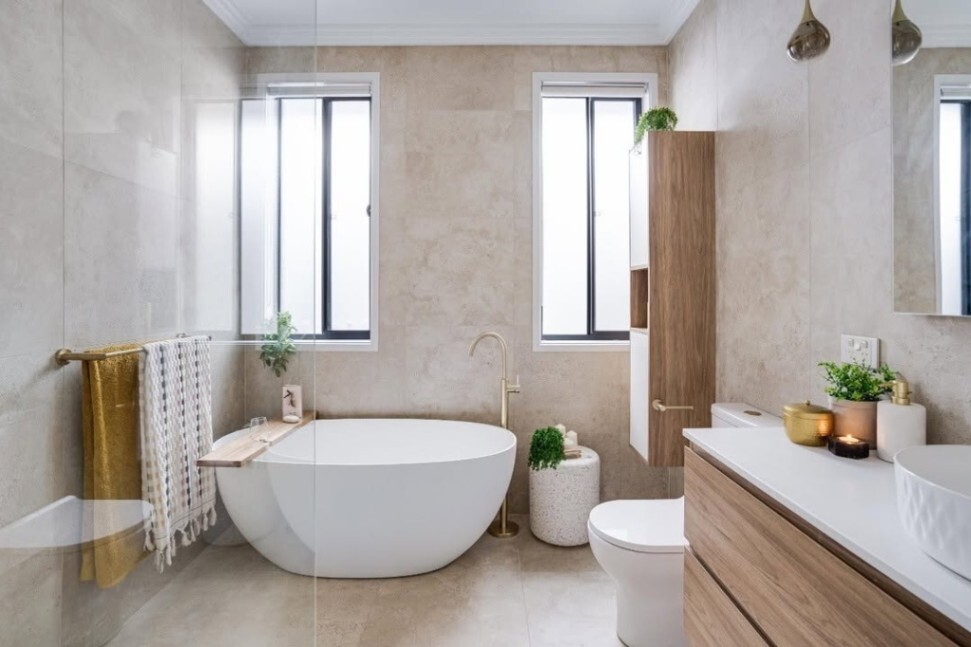
A bathroom renovation that looks beautifully finished can still fail within a few years if the waterproofing behind visible surfaces wasn’t done correctly, since the tile, grout, and fixtures homeowners actually see represent only the surface layer of what protects a bathroom from water damage. Proper waterproofing membrane behind tile, particularly in shower and tub surrounds, prevents water from working its way into wall cavities where it can cause structural damage and mold growth invisible from the finished side until the problem has already progressed considerably. Details at https://www.millennialcontracting.ca/bathroom-renovation/ typically emphasize this underlying waterproofing work specifically, since it’s the least visually impressive part of a renovation yet arguably the most consequential for how well the finished bathroom actually holds up over years of daily use.
This waterproofing distinction matters because homeowners evaluating renovation quotes sometimes focus almost entirely on visible finishes, tile selection, fixture brands, countertop material, without asking enough about the waterproofing methods and materials being used behind those visible surfaces. A contractor cutting corners on waterproofing can still produce a bathroom that looks excellent immediately after completion, with problems only becoming apparent years later once water has had time to actually penetrate inadequately protected areas, by which point the necessary repair often requires tearing out recently installed finishes to properly address the underlying issue that should have been prevented from the start.
Why Ventilation Sizing Affects Long-Term Bathroom Condition
Exhaust fan capacity needs to match a bathroom’s actual size and typical usage pattern, and an undersized fan struggles to adequately remove humidity generated during regular showering, allowing moisture to linger longer than it should and creating conditions favorable to mold growth even in a bathroom with otherwise excellent waterproofing and finishes. This ventilation requirement becomes particularly relevant in climates with genuine humidity swings throughout the year, where inadequate exhaust capacity during more humid months allows moisture problems to develop even in bathrooms that seem to function fine during drier seasonal stretches.
Fan sizing calculations account for bathroom square footage and ceiling height, but they should also factor in specific usage patterns for a given household, since a bathroom serving multiple people showering in sequence each morning generates more sustained humidity than one used more sparingly throughout a typical day. Homeowners renovating a bathroom benefit from discussing actual household usage patterns during ventilation planning, rather than accepting a generic fan size calculation based purely on room dimensions without considering how intensively that specific bathroom actually gets used by the people who live in the home.
How Existing Plumbing Location Affects Layout Flexibility and Cost
Bathroom layouts often get constrained by existing plumbing stack location, since relocating major fixtures like a toilet or shower to a genuinely different position within the room typically requires moving the plumbing rough-in serving that fixture, adding considerable cost and complexity compared to keeping fixtures in their existing general location. Homeowners dreaming of a completely reconfigured layout sometimes discover this reconfiguration costs significantly more than anticipated once the actual plumbing relocation work required becomes clear during detailed planning.
Understanding this cost implication early helps homeowners make informed decisions about which layout changes genuinely justify their added expense versus which changes could achieve a similar functional or aesthetic improvement while keeping fixtures closer to their existing plumbing locations. A bathroom renovation doesn’t need to relocate every fixture to feel genuinely transformed, and sometimes keeping major fixtures in their current general position while updating finishes, storage, and smaller layout details produces a renovation that feels completely refreshed without the added cost that full plumbing relocation would introduce into an otherwise more budget-conscious project scope.