Introduction:
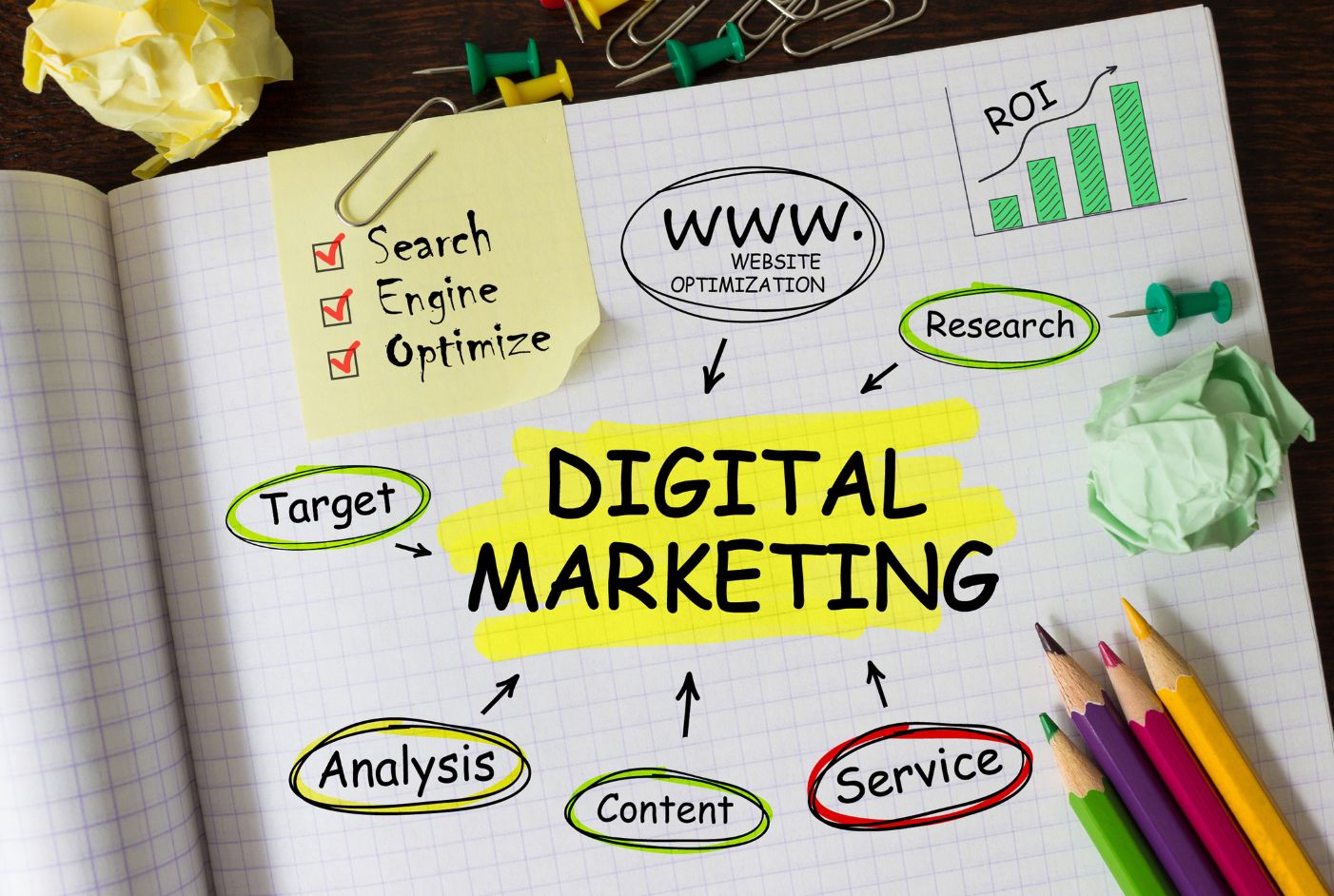
In 2026, small businesses face a rapidly evolving digital landscape where every marketing decision must justify its cost with tangible returns. Maximizing ROI is no longer just about running ads or posting on social media—it’s about integrating intelligent tools that streamline processes, improve targeting, and measure results in real time. With competition intensifying and consumer expectations increasing, adopting the right digital marketing tools can be the difference between growth and stagnation.
Small business owners are increasingly seeking solutions that combine automation, data-driven insights, and ease of use. From AI-powered lead management to SEO analytics platforms, the focus has shifted toward tools that not only optimize campaigns but also provide actionable intelligence to guide strategic decisions. This article will explore the top digital marketing tools in 2026 that small businesses cannot afford to ignore, emphasizing practical applications and measurable ROI.
AI and Automation Tools Delivering Exceptional ROI for Small Businesses in 2026:
“From what I’m seeing, the best ROI in 2026 comes from marketing tools that use AI and automation to improve lead follow-up, conversion tracking, and decision-making.” – Lisa Martinez of https://www.txcashhomebuyers.com/
Businesses are recognizing that marketing efficiency is just as important as creativity. AI-powered tools can manage repetitive tasks like lead follow-up, email segmentation, and ad optimization, freeing up time for teams to focus on strategy. Automation ensures consistency, minimizes errors, and accelerates conversion tracking, providing insights into which campaigns deliver the best ROI.
AI-driven platforms also enable predictive analytics, allowing small businesses to anticipate customer behavior and adjust campaigns proactively. By integrating AI into workflows, companies can reduce manual effort and make smarter decisions based on real-time data. This combination of automation and intelligence has become a core driver of marketing efficiency in 2026.
- Automated email nurturing platforms
- AI-driven customer relationship management (CRM) software
- Predictive analytics for campaign optimization
- Chatbots for lead engagement
Scientific SEO Tools Are Essential for Optimizing Search Performance in 2026:
“For 2026, the single best tool investment for small business ROI is “Scientific SEO” software like CORA or PageOptimizer Pro. Most business owners guess what Google wants, but these tools actually scan the top ranking sites to tell you exactly what you are missing.” – Leury Pichardo, Director of Marketing at Digital Ceuticals
SEO is no longer guesswork. Tools like CORA and PageOptimizer Pro provide small businesses with insights into how top-ranking websites achieve their performance. These platforms scan competitors’ pages, highlight gaps in content, and provide actionable recommendations to improve search visibility.
By leveraging scientific SEO, businesses can focus their resources on strategies that directly impact rankings and traffic. This minimizes wasted effort on ineffective tactics and maximizes ROI by prioritizing high-impact improvements. With search engines becoming more sophisticated, scientific SEO is a critical component of long-term digital marketing success.
- Competitor content analysis
- Keyword and semantic optimization
- Technical SEO auditing
- Data-driven ranking recommendations
Operations-First Platforms Improve Marketing ROI by Reducing Friction:
“If I had to point to one digital marketing tool delivering strong ROI for small businesses in 2026, it would be an operations-first platform like Corcava. Not because it promises better ads or higher rankings, but because it removes the friction that quietly kills marketing ROI…” – Gregory Shein, CEO of Corcava
Small business marketing often fails due to fragmented workflows rather than poor ideas. Operations-first platforms like Corcava centralize marketing execution, project management, outreach, and invoicing, eliminating inefficiencies that quietly erode ROI. By aligning teams and tools in one environment, businesses can increase campaign speed, reduce software costs, and improve overall output.
These platforms also enhance autonomy and flexibility for developers and marketers, which correlates directly with higher productivity and satisfaction. The ability to manage multiple processes within a single system allows businesses to track performance and ROI more accurately, turning marketing from a siloed activity into a measurable business function.
Partnering with the Right SEO Company Can Unlock Sustainable Growth for Small Businesses in 2026:
For many small businesses, competing in 2026 means dominating their immediate geographic market before expanding outward. This is where partnering with a qualified local SEO company becomes a strategic investment rather than an expense. Local search visibility directly impacts foot traffic, inbound calls, and service inquiries, especially for businesses that rely on customers within a specific city or region. Optimizing Google Business profiles, local citations, geo-targeted keywords, and customer reviews ensures that businesses appear in high-intent searches when prospects are ready to act.
A strong local search strategy also enhances trust and credibility. Appearing consistently in map results and localized search queries signals authority and relevance to both search engines and consumers. By leveraging expertise in technical optimization, localized content creation, and reputation management, small businesses can generate steady organic leads without relying solely on paid advertising. Over time, this compounding visibility contributes to lower customer acquisition costs and a measurable increase in long-term ROI.
Customer Relationship Management Software Is a Cornerstone for ROI-Driven Marketing:
A robust CRM system is vital for tracking interactions, managing leads, and measuring campaign effectiveness. CRMs allow small businesses to organize customer data, monitor engagement, and automate follow-ups to improve conversion rates. By centralizing customer information, teams can personalize communications and create consistent experiences across all touchpoints.
CRM platforms such as Attio also provide analytics dashboards to evaluate ROI from different marketing channels. Metrics such as lead conversion, customer acquisition cost, and retention rates become transparent, enabling small businesses to allocate resources effectively and maximize returns.
- Automated lead management
- Personalized marketing campaigns
- Multi-channel engagement tracking
- Data-driven reporting for ROI
Social Media Management Tools Streamline Engagement and Analytics:
Social media remains a powerful channel for small businesses to reach target audiences. Tools that schedule posts, analyze engagement, and track ROI are essential for managing campaigns efficiently. These platforms save time by consolidating accounts, providing content recommendations, and automating publishing.
In 2026, social media management goes beyond posting. Advanced tools offer sentiment analysis, audience segmentation, and competitor tracking, enabling businesses to refine strategies based on actionable insights. By leveraging these tools, small businesses can maintain a consistent brand presence while making data-informed decisions to maximize ROI.
- Multi-platform scheduling and automation
- Engagement analytics dashboards
- Influencer identification and tracking
- Audience sentiment and trend analysis
Email Marketing Platforms Provide High ROI with Personalized Automation:
Email marketing continues to be one of the highest ROI channels when executed strategically. Modern platforms offer segmentation, behavioral triggers, and automated sequences to nurture leads and drive conversions. Personalization increases engagement, while automation ensures timely follow-ups with minimal manual effort.
Small businesses benefit from integrated analytics to track open rates, click-throughs, and conversion metrics. This data enables continuous optimization and alignment of messaging with customer behavior. By investing in email marketing tools, businesses can maintain customer relationships while scaling campaigns efficiently.
- Automated campaigns triggered by user behavior
- Segmentation based on demographics and engagement
- Personalized content recommendations
- ROI tracking with integrated analytics
Content Marketing Platforms Facilitate Strategy and Consistency:
High-quality content drives engagement and builds brand authority. Platforms that streamline content planning, creation, and distribution ensure consistent messaging across channels. These tools enable small businesses to manage editorial calendars, assign tasks, and track performance from one dashboard.
Content marketing platforms also offer insights into audience preferences, SEO performance, and competitor content strategies. As AI-generated content becomes more common in marketing workflows, some teams also run drafts through an AI content detector to verify authenticity before publishing. By leveraging data to guide content creation, businesses can maximize ROI and ensure each piece contributes to long-term marketing goals.
- Centralized content planning and calendar management
- Collaboration and workflow tracking
- SEO and audience engagement insights
- Performance analytics for ROI evaluation
Marketing Analytics Tools Help Businesses Make Data-Driven Decisions:
Accurate measurement of campaign performance is critical for maximizing ROI. Analytics platforms aggregate data from multiple channels, providing insights into traffic, conversions, and revenue impact. Small businesses can identify high-performing campaigns, optimize underperforming initiatives, and forecast future outcomes.
The ability to make decisions based on real-time analytics ensures marketing spend is directed to initiatives that generate measurable returns. By adopting analytics tools, businesses transform marketing from a guessing game into a structured, data-driven process that aligns with financial objectives.
- Multi-channel performance tracking
- ROI calculation by campaign or channel
- Conversion and funnel analysis
- Forecasting and predictive insights
Project Management Tools Support Marketing Efficiency and ROI:
Campaign execution often suffers from poor organization. Project management platforms enable teams to plan, assign, and track marketing tasks effectively. Visibility into timelines, dependencies, and deliverables ensures campaigns stay on schedule and within budget.
By centralizing project management, small businesses reduce the risk of miscommunication and task duplication. Streamlined processes improve team productivity and allow for better resource allocation, directly impacting ROI. These tools also offer reporting features to measure campaign progress and outcomes efficiently.
Paid Advertising Platforms Provide Scalable ROI Opportunities:
Paid advertising remains a critical component of digital marketing, offering measurable results when campaigns are optimized. Platforms like Google Ads, Facebook Ads, and emerging AI-driven ad networks provide targeting options, performance analytics, and budget control.
Small businesses can scale campaigns based on real-time ROI metrics, ensuring advertising spend delivers tangible returns. Features such as A/B testing, audience retargeting, and automated bidding optimize ad performance while minimizing wasted budget.
- Precise audience targeting
- Conversion tracking and reporting
- Automated bidding strategies
- Campaign A/B testing for optimization
Integrating Marketing Tools into a Cohesive Ecosystem Maximizes ROI:
Isolated tools often fail to deliver their full potential. Integration platforms connect CRMs, email software, analytics dashboards, and advertising platforms, creating a unified system that improves efficiency and data flow. This approach minimizes manual effort, reduces errors, and provides a holistic view of marketing performance.
By centralizing marketing technology, small businesses can identify opportunities, eliminate redundancies, and measure ROI accurately across the entire funnel. This ecosystem approach transforms marketing into a strategic, measurable business function rather than a collection of disparate activities.
Conclusion:
Maximizing ROI in 2026 requires a strategic approach to digital marketing tools. AI-driven automation, scientific SEO platforms, operations-first solutions, and integrated ecosystems empower small businesses to optimize campaigns, reduce inefficiencies, and make data-driven decisions. By carefully selecting tools that align with business goals, owners can ensure every marketing dollar contributes to measurable growth.
The combination of automation, analytics, and streamlined workflows creates a foundation for sustainable success. Small businesses that adopt these tools not only improve ROI but also gain the agility to adapt in an increasingly competitive digital landscape. Embracing technology intelligently is no longer optional—it is essential for growth and profitability in 2026.