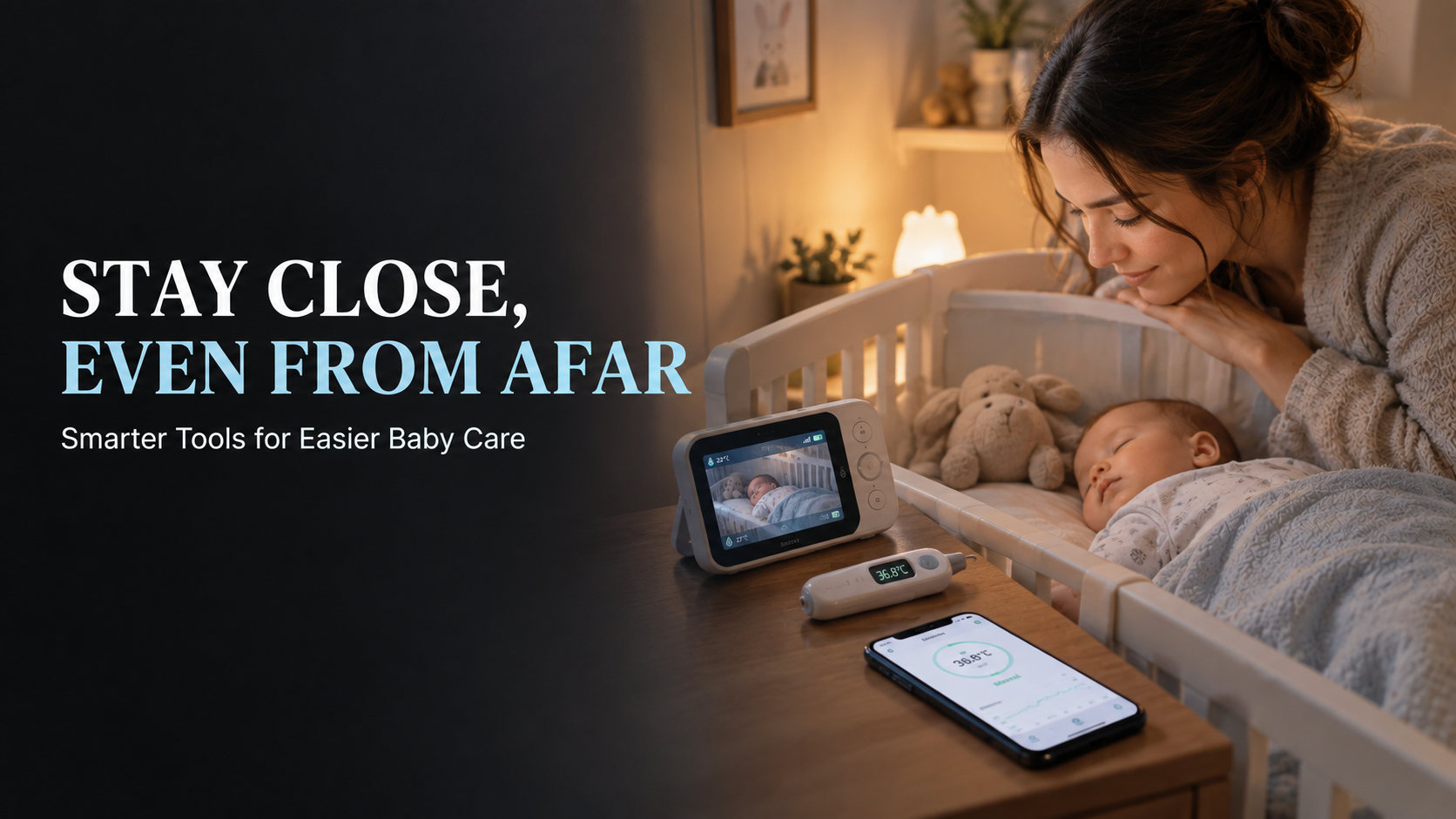
Caring for a baby is full of small moments that require attention. Parents want to know when their baby is sleeping peacefully, moving around, feeling uncomfortable, or showing signs of being unwell. At the same time, it is not always possible to stay beside the crib every minute of the day. This is where a reliable baby monitor can make everyday care feel a little easier by helping parents stay connected while handling other tasks.
A baby monitor is not meant to replace a parent’s attention. Instead, it can provide another way to check on a child from nearby rooms. When combined with other practical baby-care tools, it can help parents build a routine that feels more organized and less stressful.
Why Staying Connected Matters
Babies can be unpredictable. One moment they may be sleeping peacefully, and the next they may wake up, cry, or need attention.
Parents often have household tasks to handle while their baby is resting. A monitor can provide an easy way to stay aware of what is happening without constantly walking back to the nursery.
This can be especially useful during nap time. Parents can prepare a meal, tidy the house, work, or simply take a short break while keeping an eye on their baby.
The goal is not constant monitoring. It is about having convenient access to information when parents need it.
More Confidence During Nap and Bedtime
Sleep is important for both babies and parents. Once a baby settles down, parents naturally want to avoid unnecessary interruptions.
A baby monitor can help parents check whether their child is still sleeping or has started moving and needs attention. This can reduce the need to repeatedly open the nursery door just to see what is happening.
At night, this can be particularly helpful. Parents can check on their baby without immediately disturbing the room or turning on bright lights.
Of course, a monitor should always be used as a support tool rather than a replacement for safe sleep practices or direct supervision when needed.
Understanding More Than Just What You See
Visual or audio monitoring can tell parents that a baby has woken up, is crying, or is moving around. But baby care often involves more than observing behavior.
Parents also need to pay attention to feeding, hydration, sleep patterns, body temperature, breathing, and other signs of discomfort.
This is why different baby-care tools can work together. A monitor can help parents stay aware of their baby’s activity, while a thermometer can provide useful information when the child feels warmer than usual.
Why Temperature Monitoring Is Important
Few things make parents concerned faster than noticing that their baby feels unusually warm. Touch can be a useful first check, but it cannot provide an actual temperature reading.
A thermometer gives parents a clearer measurement. This can help them keep track of changes and provide useful information if they need to speak with a healthcare professional.
A baby thermometer can be particularly useful when parents want a convenient way to monitor their child’s temperature. Smart temperature-monitoring technology can also make it easier to follow changes over time rather than relying on a single reading.
A temperature reading does not explain the cause of an illness, and it should not be treated as a diagnosis. Parents should consider the child’s age, symptoms, behavior, and medical advice when deciding what to do.
The Value of Tracking Changes
When a baby is unwell, one reading may not tell the whole story. Parents may want to know whether a temperature is staying high, changing gradually, or returning to normal.
Keeping track of temperature changes can make the situation easier to understand. It can also help parents provide clearer information to a pediatrician if professional advice is needed.
Smart monitoring can make this process more convenient, particularly during periods when parents need to check their baby regularly.
Making Nighttime Care Less Disruptive
Nighttime can be one of the hardest parts of caring for a sick baby. Parents are already tired, and repeated checks can disturb everyone’s sleep.
Technology cannot remove the stress of caring for an unwell child, but it can make certain tasks more manageable. A monitor can help parents stay aware of their baby’s activity, while temperature-monitoring technology can help them keep track of changes without relying entirely on touch.
This combination can support a calmer nighttime routine while allowing parents to respond when their child actually needs them.
How VAVA Supports Modern Baby Care
Modern baby-care technology is increasingly focused on helping parents stay informed without making daily routines more complicated. VAVA’s baby collection brings together products designed to support different aspects of everyday childcare, including monitoring and temperature-related needs.
The VAVA Official Website offers a range of baby-focused products that can help parents create a more connected care routine. Rather than depending on one device for everything, parents can choose tools based on their child’s needs and their own daily routine.
The value of this approach is simple: useful technology should make parenting tasks easier while leaving parents in control.
Final Thoughts
Baby care will always require patience, attention, and plenty of hands-on care. But the right technology can make some everyday tasks easier.
A baby monitor can help parents stay connected while their child sleeps or plays in another room. A smart thermometer can provide useful temperature information when a baby feels unwell. Used together, these tools can give parents a clearer picture of what is happening without adding unnecessary stress to their routine.
The real benefit is not about watching or measuring everything. It is about having reliable information available when it matters. With thoughtful use, simple baby-care technology can help parents feel more prepared, more connected, and a little more confident throughout the day and night.