Two equipment quotations can show similar specifications but represent very different long-term costs. Pharmaceutical buyers therefore need to look beyond the number printed at the bottom of a quotation. Output, product compatibility, maintenance, line integration, testing, and technical support can all affect the real value of the purchase.
Price still matters, but it works better as one comparison point rather than the whole decision. Before selecting a tablet counting machine, procurement and engineering teams should examine what is included in each proposal and whether the configuration matches actual production conditions.
Start With the Scope of Supply
The first comparison should focus on what each quotation actually includes. One supplier may quote only the main unit, while another proposal may cover feeding, transfer, inspection, connection parts, or supporting equipment. Looking only at the total price can therefore create a misleading comparison.
Buyers should request a clear equipment list and review every included module. They can check whether change parts, electrical components, control functions, manuals, testing, installation guidance, and other required items are already included or will create additional costs later.
The quotation should also state the intended product conditions. Tablet size, shape, bottle format, expected output, and production arrangement affect equipment selection. Without these details, even a lower quotation may require later modification when the machine reaches the production site.
Production Capacity Needs Context
Rated speed is useful only when buyers understand the conditions behind it. Production figures should be reviewed together with product dimensions, feeding conditions, and upstream and downstream equipment. Real line output can differ when products or packaging formats change.
When comparing a tablet counting machine, buyers can ask suppliers what product was used to establish the quoted speed. They should also clarify whether the figure represents a stable production rate or a theoretical maximum under specific operating conditions.
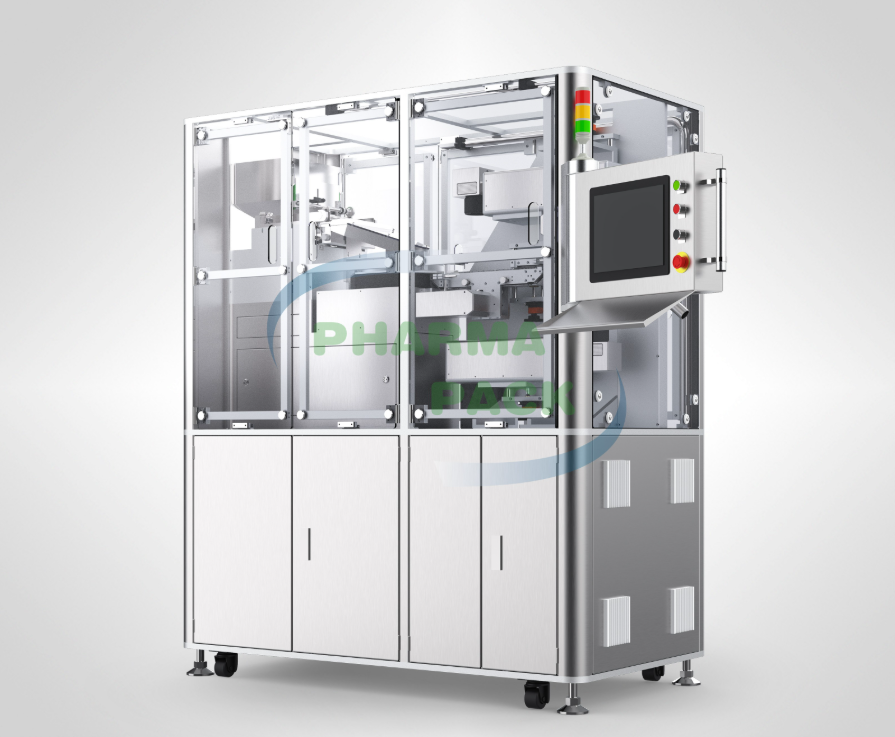
For tablet counting projects, buyers should compare rated capacity under clearly defined product conditions. Pharmapack’s LF-12 Tablet/Capsule Counter, for example, has a maximum output of 12,000 pieces per minute, depending on product size. This specification provides a useful starting point, but actual line performance should also be evaluated against bottle counts and feeding conditions. Its actual speed depends on the size of the product being inspected. This type of condition gives buyers more useful information than one speed figure alone.
Integration Can Change the Total Cost
Equipment does not operate independently on a pharmaceutical packaging line. Counters may need to connect with bottle handling, capping, sealing, labeling, inspection, coding, or secondary packaging processes. Poor coordination between machines can create additional engineering work after purchase.
For this reason, buyers should ask each pharma machine manufacturer how the proposed equipment will connect with existing or planned machines. Interface requirements, line height, product transfer, control signals, and available factory space should be discussed before the quotation is accepted.
Modular design can also influence future spending. Production requirements may change as new products or formats are introduced. Equipment that supports suitable configuration changes can give manufacturers more room to adapt without replacing the complete line.
Maintenance Deserves a Separate Comparison
Purchase price is paid once, while maintenance continues throughout equipment use. Quotations should therefore be compared for component accessibility, replacement requirements, routine inspection, cleaning, and expected service arrangements.
Servo technology can be relevant here. Pharmapack applies servo control with self-detection in its equipment development. They use this approach to replace traditional cylinder-based structures in relevant applications, with the aim of improving stability, extending service life, reducing dust effects around the flapper structure, and lowering maintenance requirements.
Their equipment development also uses a modular concept from 1 to N for different project needs. These details should not be judged only as technical features. Buyers can translate them into practical questions about spare parts, maintenance frequency, adjustment work, and possible future modifications.
Technical Capability Should Support the Quote
Quotation evaluation should also include the supplier behind the machine. Buyers need to know whether the supplier can explain technical decisions, test the proposed configuration, and support line integration. These factors become more important when the project involves several connected processes.
When assessing a pharma machine manufacturer, procurement teams can review engineering experience, research capability, quality control, testing procedures, and service resources. Participation in relevant technical standards can also provide useful background when evaluating a supplier’s familiarity with pharmaceutical packaging equipment.
Pharmapack established its Guangzhou factory in 2002. They have more than 70 senior technical engineers at their headquarters Innocentre and more than 10 R&D specialists in their Italian branch. They have also participated in the development of national standards covering tablet and capsule counters, tablet counting lines, ink-jet printers, and labelers.
Compare What Happens After Delivery
The final quotation review should examine what happens once equipment leaves the factory. Buyers can ask about factory testing, installation support, commissioning requirements, operator guidance, documentation, spare parts, and technical communication after delivery.
Clear testing conditions are especially important. Product samples, target speed, container specifications, and acceptance criteria should be agreed before testing. This makes it easier to compare whether each proposal can meet the same production requirement rather than relying on general statements.
The same principle applies when evaluating another tablet counting machine or comparing one pharma machine manufacturer with another. A useful quotation explains not only what the equipment costs, but also what configuration, testing, engineering work, and support are included.
Looking Beyond the Initial Number
Lower purchase cost does not automatically mean lower project cost. Missing modules, unsuitable speed assumptions, difficult maintenance, integration changes, or limited technical support can add expense after the order is placed.
A stronger comparison looks at scope, operating conditions, line compatibility, maintenance, testing, and supplier capability together. When buyers turn these points into a common quotation checklist, different proposals become easier to evaluate on the same basis, and the purchasing decision can reflect the real requirements of the production line.