Solar panels sometimes generate more electricity than a household consumes, particularly on clear days when sunlight exceeds expectations. This surplus creates an opportunity to reduce grid reliance, charge a home battery, or send electricity back to the utility network. The outcome depends on the system’s configuration, local export rules, and current household demand. Understanding where excess generation goes helps homeowners get more value from their solar installation and decide whether additional storage capacity makes practical sense.
Where Does Surplus Solar Electricity Go?
Household Demand Comes First
A grid-connected solar system generally supplies active household loads before drawing electricity from the grid. When the panels generate more power than appliances need, the remaining electricity becomes available for another destination. For example, a home might produce 5 kW at midday while its appliances consume only 2 kW. Subject to the system’s configuration, the remaining 3 kW can charge a compatible battery or flow toward the grid. This balance changes continuously as clouds pass, appliances switch on, and sunlight shifts. Homeowners should therefore distinguish between total daily solar energy storage and the surplus available at any specific moment. The latter determines how much electricity the system can redirect without affecting current household consumption.
Exporting Electricity Depends on Local Rules
When a solar installation connects to the grid, surplus electricity may flow outward through the home’s electrical connection. Whether the household receives financial credit depends on its utility agreement, metering arrangement, and applicable regulations. Some programs compensate exported electricity at a rate different from the price charged for imported power. Others apply specific export limits or require particular equipment settings. Homeowners should check these terms before estimating savings from excess generation. Exporting can be useful when production exceeds immediate demand and the system has no other priority for the surplus. The key calculation is not simply how many kilowatt-hours the panels generate, but how much of that production the household consumes, exports, or stores under its actual tariff.
Battery Charging Turns Surplus Into a Future Resource
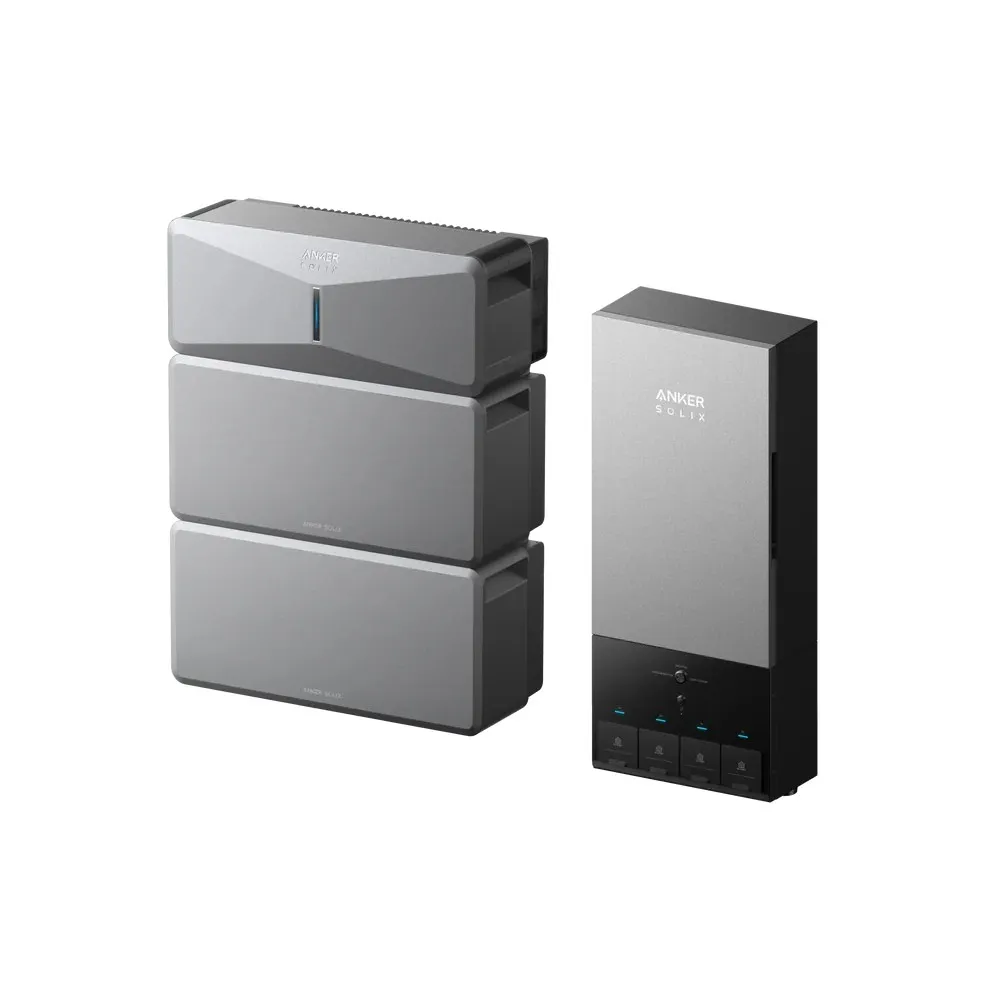
A compatible home battery provides another destination for excess solar generation. Instead of exporting all available surplus, the system can direct some electricity into storage for later use, such as after sunset or during a grid interruption. The amount stored depends on available surplus power, charging limits, remaining battery capacity, and system settings. Once the battery reaches its configured charge limit, it cannot keep absorbing additional energy, so the system follows its remaining operating rules. Anker SOLIX E10 Whole-Home Backup supports battery capacity from 6 kWh to 90 kWh across supported configurations, with up to 30 kWh per E10 power module. This modular approach gives homeowners options when matching storage capacity to recurring surplus generation and household consumption.
How to Make Unexpected Solar Generation More Useful
Shift Flexible Loads Into Sunny Hours
A battery is not the only way to make better use of surplus electricity. Homeowners can schedule suitable activities during hours of strong solar production, allowing appliances to consume more of the electricity as it becomes available. Running a dishwasher, washing machine, or other flexible load during the middle of the day may reduce the amount of surplus exported to the grid. The exact benefit depends on appliance demand, solar output, and household routines. High-demand equipment also requires careful planning because its electrical requirements may exceed the available solar output at a given moment. Reviewing a solar monitoring dashboard can reveal recurring periods of excess generation and show which activities could reasonably move into those windows.
Match Battery Capacity to the Surplus Pattern
Choosing a battery requires more than looking at a solar array’s peak output. A system may briefly produce substantial surplus power but generate much less excess energy across the full day. Homeowners should compare hourly production with household consumption over several weeks or months, then estimate how much surplus could realistically charge a battery. Anker SOLIX E10 accepts up to 9 kW of solar input per unit, with supported configurations reaching 27 kW across three units with a Power Dock. It can also integrate with an existing solar system through a compatible current transformer (CT) setup. These specifications describe charging capability, not a guarantee of daily energy production; actual results depend on the solar array, weather, and household usage.
Consider the Value of Electricity After Sunset
The value of surplus generation often depends on when the household needs electricity. Solar panels may produce their highest output while family demand remains modest, whereas evening cooking, lighting, and cooling can increase consumption after generation falls. Storage shifts some available daytime energy into those later hours, subject to battery capacity and conversion losses. Anker SOLIX E10 supports self-consumption and time-of-use (TOU) operating modes, allowing homeowners to align system operation with their energy goals and applicable electricity tariffs. The best approach depends on the difference between export compensation and import prices, alongside the value of keeping energy available for backup. A household should compare these factors using its actual utility rates rather than assume every stored kilowatt-hour produces the same financial benefit.
Conclusion
Unexpectedly high solar production is an opportunity to manage electricity more strategically. Homeowners can direct surplus toward household appliances, export it under their utility arrangements, or store it for later consumption. The most suitable approach depends on generation patterns, battery capacity, local tariffs, and daily routines. Reviewing monitoring data helps reveal whether surplus occurs regularly enough to justify storage or load scheduling. With a well-matched system, excess daytime generation can support evening demand and make household solar production more useful throughout the year.