
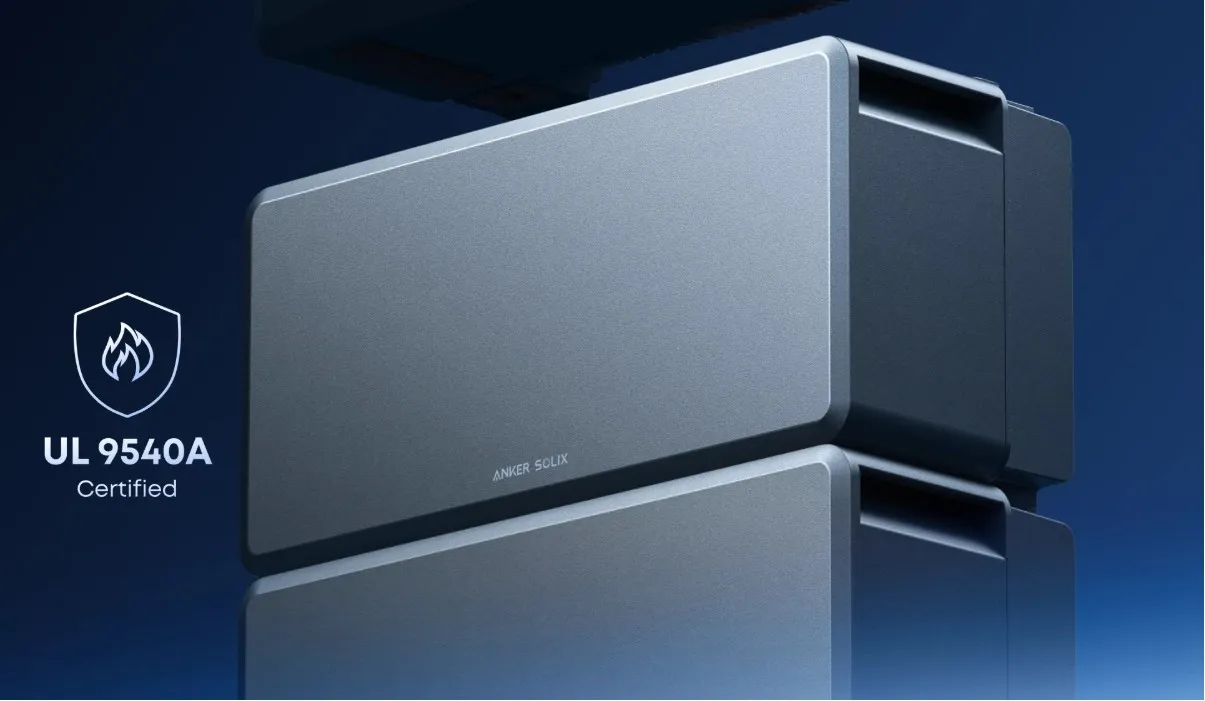
Off-grid kits can provide reliable power during outages, but lightning creates serious risks for people and electrical equipment. A direct strike or nearby electrical surge can damage solar panels, batteries, inverters, and connected appliances. Safe operation requires proper grounding, surge protection, and professional installation. Knowing what to do before, during, and after a storm helps reduce hazards and protects your investment.
How Lightning Storms Affect Off Grid Kits
Lightning strikes or electrical surges in neighbouring wire might destroy an off-grid installation. Long solar cables may provide transient voltage to charge controllers, batteries, inverters, and appliances. A strike may destroy panel mounting, spark fires, or produce dangerous grounding route electrical potentials. Surge protection, bonding, and a properly built lightning protection system lessen danger, but no device can prevent all strikes. Stay away from machinery and follow local emergency instructions during storms.
Essential Safety Steps During a Lightning Storm
Move Indoors and Avoid Contact With Electrical Equipment
When thunder begins, go inside a substantial enclosed building or a hard-topped vehicle. Stay away from the solar array, battery cabinet, inverter, fences, and outdoor wiring. Indoors, avoid corded electronics, plumbing, and contact with electrical equipment during the storm. Keep people and animals away from flooded equipment. Wait at least 30 minutes after the last thunder before resuming outdoor tasks, and follow official weather alerts.
Never Handle Solar Cables or Disconnect Equipment During a Storm
Do not touch, unplug, move, or disconnect solar cables while lightning is nearby. Wiring can carry dangerous surge currents, and switching may expose you to energized conductors or electrical arcs. Avoid outdoor disconnects, panel connectors, batteries, and metal enclosures until the storm has passed. If you suspect damage, leave the system alone and arrange a qualified inspection rather than attempting a quick reset.
Follow Manufacturer Guidance for Emergency Shutdown Procedures
Read the system manual before storm season to learn approved shutdown steps and disconnect locations. Never go outside or approach electrical equipment to shut it down once lightning threatens. Follow a shutdown procedure only if it can be completed from a safe indoor location and the manufacturer explicitly permits it. Otherwise, wait for the storm to pass and seek professional help if needed.
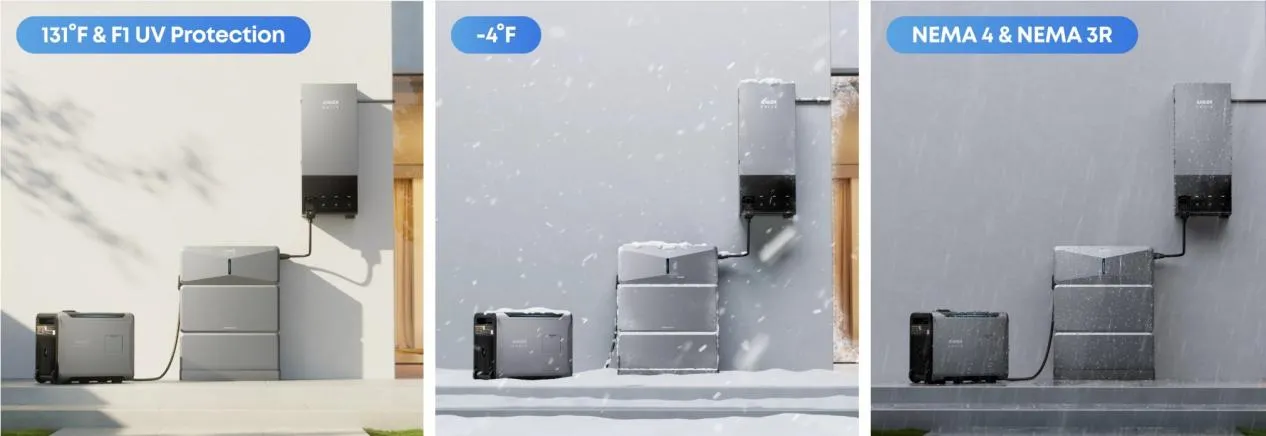
Protection Features That Reduce Lightning-Related Risks
Install Suitable Surge Protection Devices
Use surge protective devices rated for the system’s DC solar circuits and AC output, with protection coordinated at suitable entry points. Select devices for the voltage, current, and environment, and install them according to electrical codes and manufacturer instructions. Surge protection works alongside grounding and bonding; it does not replace them. Ask a qualified electrician to assess solar, inverter, and building circuits.
Use Proper Grounding and Equipotential Bonding
Correct grounding and bonding help manage fault currents and reduce dangerous voltage differences between metal parts. Follow local codes and manufacturer diagrams for panel frames, inverters, batteries, and protective devices. These precautions also matter for a battery backup for home system. Do not improvise ground rods or conductor routes; have a qualified installer verify connections and continuity.
Consider a Professionally Designed Lightning Protection System
Sites exposed to frequent storms or with tall, isolated structures may need a dedicated lightning protection assessment. A qualified specialist can evaluate strike exposure, building layout, array placement, bonding, grounding, and surge protection as one coordinated design. Do not assume a lightning rod alone protects electrical equipment or that surge devices can handle every direct strike. Follow applicable codes and document the completed installation.
Prepare Your Off-Grid Kits Before Storm Season
Inspect Panel Mounts, Cable Insulation, and Electrical Enclosures
Before storm season, check visible panel mounts, fasteners, cable supports, insulation, conduit, and enclosure seals for wear or looseness. Look for cracked jackets, corrosion, water entry, and cables rubbing against sharp edges. Do not open energized enclosures or climb onto an unsafe roof to inspect them. Arrange repairs through a qualified technician if you find damage, exposed conductors, or insecure mounting hardware.
Verify Surge Protection and Grounding System Condition
Examine records to ensure that surge protection devices have no defect indications or end-of-life alerts. Confirm that grounding and bonding connections are secure, corrosion-free, and compatible with the authorised design. You should not test or tighten live connections yourself. If a device operates after a surge or exhibits a malfunction, have it examined and replaced as directed by the manufacturer. Keep a record of any modifications.
Keep Installation Records and Emergency Procedures Accessible
Store wiring diagrams, equipment manuals, installer details, shutdown instructions, and surge-protection records in a dry, accessible location. Label disconnects clearly and make sure everyone knows when to stay away from the system. For an Anker E10 Off-Grid Kit installation, keep the manual and configuration details readily available so technicians can identify the equipment and follow the correct inspection procedures after severe weather. Well-organized records make troubleshooting and post-storm safety checks easier.
Inspect and Restore Your System After a Storm
Approach the installation once the storm is over and the areas safe. From afar, check for broken panels, loose mounts, fallen branches, water incursion, burn marks, odd odours, or triggered protective systems. Even if the system is off, do not handle fallen cables, wet electrical equipment, or broken batteries. If you detect damage or suspect a strike, keep people away and call an electrician or installation. Restoration of power should follow inspection, surge device replacement, and system safety verification.
Conclusion
Off-grid kits can operate through storm season, but lightning still threatens people and equipment. Stay away during active storms, and use properly selected surge protection, grounding, bonding, and professional installation to reduce risk. Inspect before storm season and after suspected strikes, but never touch damaged or wet components. Keep emergency instructions accessible, and restore power only after a qualified inspection confirms safety.