
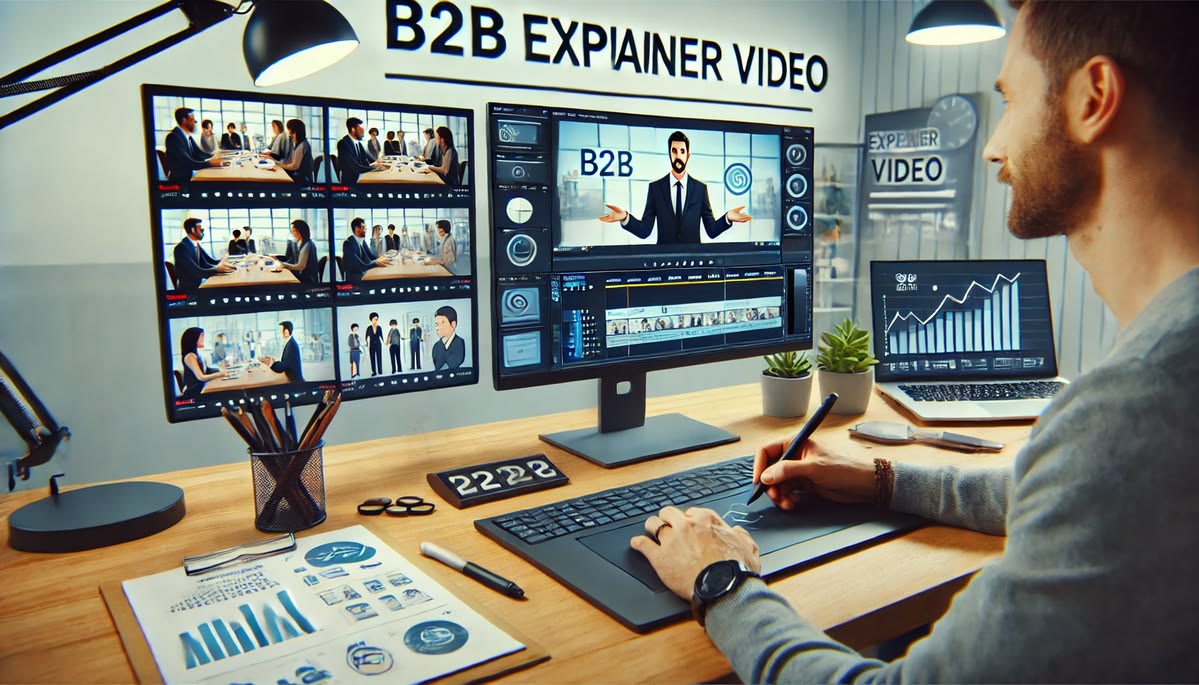
An explainer video earns attention when its message moves viewers toward a clear next step. Professional production teams connect research, scripting, visual design, animation, sound, and distribution around that goal. They remove unnecessary detail, show how a product works, and build confidence before asking for action. Effective videos begin with audience questions and business outcomes, not style preferences. That foundation shapes every production decision that follows.
Start With The Business Goal
Conversion begins with a clear business problem, a defined audience, and one measurable action. A professional production partner turns those decisions into a practical brief before anyone draws a frame, and an explainer video production company connects the brief to scripting, design, animation, sound, and delivery. This process keeps attractive visuals from carrying an unclear message and gives every production choice a purpose.
The brief should identify the viewer’s situation, current knowledge, objections, and desired response. A software buyer might need to request a demonstration, while a patient may need to understand a treatment process. Each audience needs a different explanation and call to action.
The production team also decides where the video will appear. A homepage video needs a fast opening, while a sales presentation can support more detail. Placement affects length, pacing, captions, framing, and the final instruction.
Build The Script Before The Storyboard
Choose One Viewer Action
A converting explainer gives viewers one primary action. That action should appear in the brief, script, voiceover, on-screen text, and closing frame.
Multiple calls to action divide attention. If the goal is a product demonstration, the script should guide viewers toward that request instead of adding unrelated instructions about newsletters, downloads, or social channels.
The opening must establish relevance quickly. It should name a familiar problem, show its cost, or present the situation that the product addresses. Viewers should recognize their concern before the explanation begins.
Write For Spoken Clarity
A professional writer builds the script for listening, rather than silent reading. Short sentences, concrete verbs, and deliberate pauses help viewers follow the explanation while watching the visuals.
Technical information requires careful editing. The script should introduce one concept at a time, explain unfamiliar terms, and remove claims that the visuals cannot support. Each sentence must move the viewer closer to understanding or action.
The voiceover also sets the production rhythm. A measured delivery leaves room for diagrams, product views, captions, and transitions. A rushed script forces the animation to compete with the narration.
Turn The Script Into Visual Proof
Storyboards translate the script into planned scenes. Each frame should answer a question, demonstrate a process, or direct attention toward useful information.
Abstract claims need visible evidence. A statement about faster setup could become a sequence that shows fewer steps. A complex data process could become a simple flow between users, systems, and results.
Style frames establish the visual language before full production begins. They define character treatment, color use, typography, lighting, camera movement, and graphic detail. Early approval reduces expensive changes after animation starts.
The team then builds assets that support the message. A 2D approach suits diagrams, interfaces, and process explanations. A 3D approach helps viewers inspect physical products, internal components, or spaces that live action cannot show clearly.
Use Sound And Editing To Guide Attention
Sound design affects comprehension as much as visual design. The voice must remain clear, while music and effects support the message without competing with it.
Editors control attention through timing. A pause before a product benefit gives viewers time to process the previous scene. A tighter cut can create urgency when the video introduces a problem or action.
Captions improve access and support silent viewing. On-screen text should reinforce the spoken point instead of repeating every word. Readable contrast, controlled line length, and sufficient display time keep captions useful.
Measure What Happens After Launch
Production does not end when the final file is delivered. The marketing team should review how viewers respond on the page, in campaigns, or during sales conversations.
Useful signals include play rate, completion rate, repeat views, click activity, and progress toward the intended action. A low play rate points to placement or thumbnail problems. A sharp drop during one scene points to weak pacing, unclear language, or unnecessary detail.
Performance data should guide revisions. The team might shorten the opening, move the product demonstration earlier, change the closing instruction, or create a version for another audience. Each change should address observed behavior, not personal preference.
Conclusion
An explainer that converts results from disciplined decisions, not animation alone. The team must define the viewer, reduce the message to one action, prove the product visually, and deliver the video where that action occurs. Performance data then shows which scenes support progress and which create hesitation. Before commissioning production, the marketing team should write the desired viewer action in one sentence and use it to assess every script line, visual, and edit.