A solar generator looks like a single box, but inside it is a small power plant with three working systems. One stores energy, one converts it, and one holds everything together and moves heat away. Understanding those three parts makes it much easier to judge a unit on a spec sheet, because every number you read comes from one of them. It also explains why two products with the same capacity can behave very differently in a real outage. This article walks through each system in plain language, shows what it contributes to reliable backup power, and points out the details worth checking before you buy. The details matter more than the labels.
Energy Storage Core
Battery pack and cell chemistry
The battery pack is the heart of the unit, and for anyone weighing the best generator for home backup power, its cell chemistry decides how long the system lasts and how calmly it behaves under stress. Most modern units use lithium iron phosphate cells, which trade a little energy density for a much longer cycle life and a steadier response to heat. Older nickel-based chemistries can store more energy in the same space, but they age faster and demand stricter protection. The pack itself is built from many cells wired together, and the way those cells are grouped and managed decides whether the whole pack stays balanced over years of everyday use. Capacity is only half the story; chemistry is the other half.
Battery management system (BMS)
The battery management system is the quiet supervisor that keeps every cell inside its safe window. It watches voltage, current, and temperature, balances the cells so none runs ahead or lags behind, and cuts the pack off before overcharge or deep discharge can do damage. A good system also reports state of charge accurately, so the percentage on the screen reflects what is really left rather than a hopeful guess. Without this layer, a large pack would drift out of balance within a few hundred cycles and lose usable capacity long before its cells were actually worn out. It is invisible in daily use and decisive in the long run. It is the least visible part and the most important.
Power Conversion
Inverter – pure sine wave vs modified sine wave
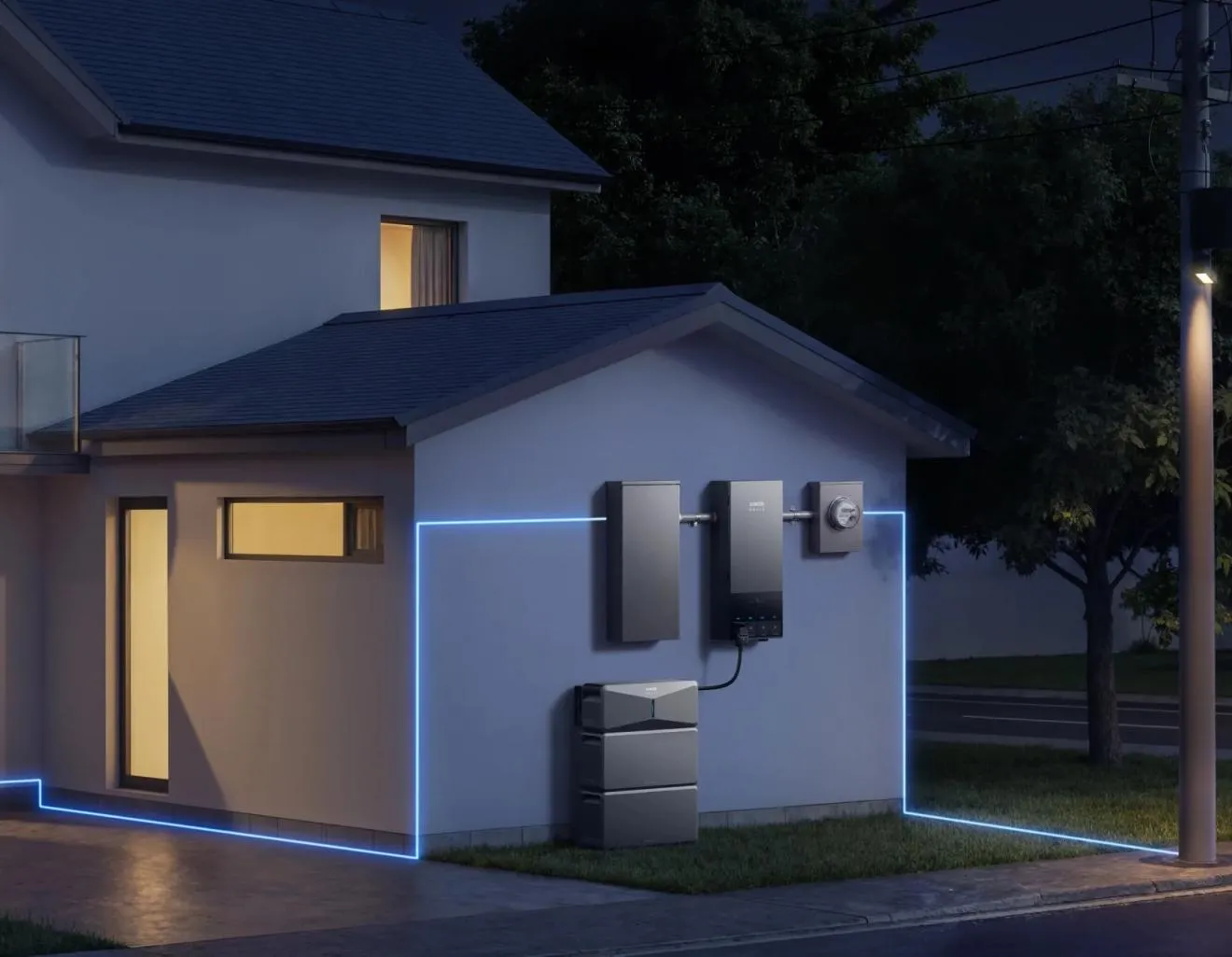
The inverter turns stored direct current into the alternating current that household appliances expect. Pure sine wave output matches the smooth curve of grid power, so motors run cooler and sensitive electronics are not stressed; modified sine wave is cheaper but can cause humming, extra heat, and glitches in some devices. This is the part that decides what the unit can actually run, and the Anker SOLIX E10 Whole-Home Backup delivers 7,680W of continuous output with a 10,000W turbo backup mode, so the conversion stage has both the steady muscle and the short-burst reserve to carry a whole home through an outage. That single choice shapes every load the house will ask it to carry. A cleaner curve also keeps sensitive gear from buzzing or overheating.
MPPT charge controller
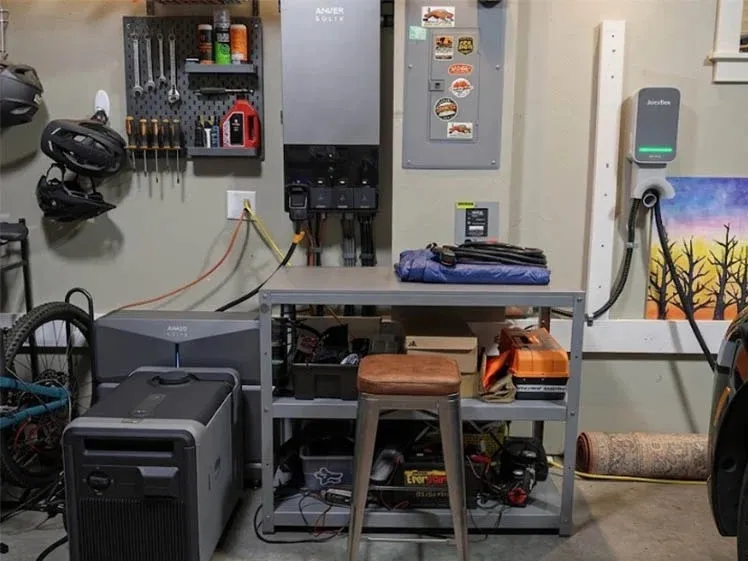
On the charging side, the maximum power point tracking controller squeezes the most energy possible out of every panel. Panel voltage rises and falls with light and temperature, and the controller constantly adjusts the load so the array operates at its most productive point instead of a fixed compromise. That difference is small on a bright, cool day and large under partial shade or high heat, which is exactly when a household needs every watt. A well-matched controller also protects the pack from voltage spikes and keeps charging smooth as clouds pass, so the battery fills faster and more gently at the same time. It is quiet, unglamorous, and decisive on a grey afternoon.
Ports and Structure
AC, DC, and USB output configuration
The ports are where the three systems meet the user, and their layout matters more than the raw count printed on the box. AC outlets carry the heavy loads, DC ports and cigarette-style sockets serve smaller gear, and USB outlets handle phones, routers, and lamps. What separates a thoughtful design from a crowded one is whether the high-draw outlets are spaced far enough apart for bulky plugs and whether the low-draw ports stay live when the unit is idle. A clear, labeled layout saves fumbling in the dark, which is precisely when the unit is most needed and least convenient to inspect. Good spacing is a small detail that pays off every single day.
Cooling structure and enclosure design
Every conversion step produces heat, and the enclosure has to move that heat out without letting dust or moisture in. Passive vents and aluminum heat spreaders handle light loads silently, while fans or liquid loops take over when output climbs for a long stretch. The case also carries the weight of the pack and protects the cells from knocks, so its material and internal bracing matter as much as its looks. A sealed, well-braced shell keeps the unit stable on uneven floors and helps the electronics stay within their temperature range year after year, even in a garage that swings from cold nights to warm afternoons. That is what keeps a working unit from becoming a shelf ornament.
Conclusion
Storage, conversion, and structure are the three systems that make a solar generator work, and each one answers a different question. The battery decides how long you can run, the inverter and controller decide what you can run and how quickly the pack refills, and the ports and enclosure decide how pleasant and how safe the unit is to live with. Judging a unit by all three rather than by capacity alone is what makes the numbers on the box begin to make sense. That habit is also what separates a purchase that lasts from one that disappoints after the first long outage. It is also the habit that keeps a good unit good.