
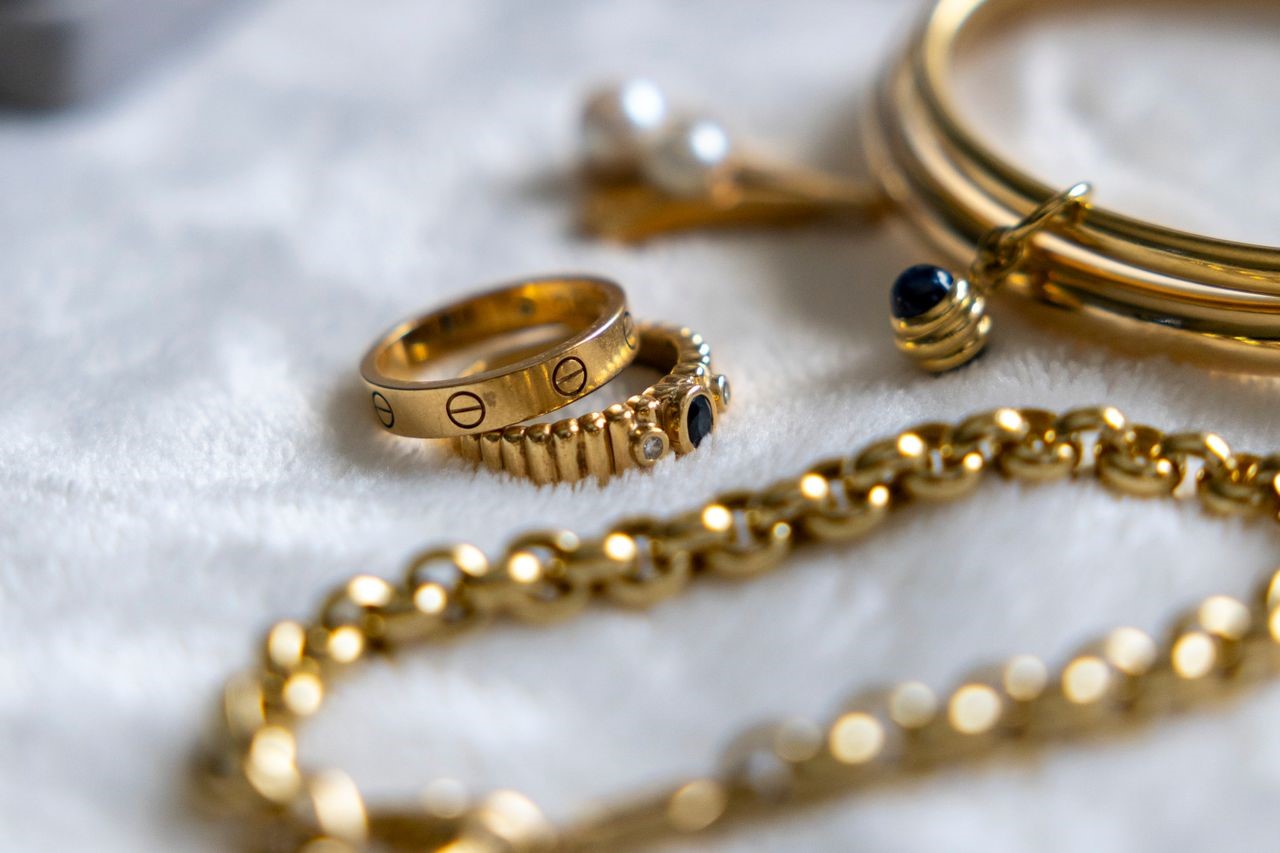
Gold has long been seen as a reliable safety net during uncertain financial times. Whether it’s broken jewellery sitting in a drawer, outdated pieces no longer being worn, or inherited items with little sentimental value, many are turning to their gold pieces as a practical source of extra money. The deciding factor often comes down to one question: how much are local buyers willing to pay?
People looking to get cash for gold are surprised to learn that payouts can vary significantly between buyers, even within the same city. The amount offered depends on several factors, including gold purity, current market prices, item condition, and the business model of the buyer itself. Understanding how these factors work can help you make a more informed decision and avoid unrealistic expectations.
Gold Purity Plays the Biggest Role
Gold jewellery is rarely made from pure 24-karat gold because pure gold is soft and easily damaged. Instead, most jewellery contains a mixture of gold and stronger metals.
Labels like 10K, 14K, or 18K indicate how much actual gold is present. Higher karat pieces contain more gold and generally get higher payouts. For example, an 18K bracelet will usually receive a better offer per gram than a similar 10K bracelet because it contains a greater percentage of the precious metal.
Professional buyers typically test items using acid testing, electronic testers, or XRF machines to verify authenticity and purity before making an offer.
Market Prices Change Every Day
Gold prices are tied to global commodity markets and fluctuate daily. Local buyers base their offers on the current spot price of gold, but sellers should understand they will not receive the full market rate.
Buyers need to cover refining costs, overhead expenses, and profit margins, so payouts are usually a percentage of the current market value rather than the exact trading price seen online. Reputable buyers are generally transparent about how they calculate offers and should be willing to explain current rates.
Checking the spot price before visiting a buyer can give sellers a realistic baseline and help them better evaluate offers.
Jewellery Value and Scrap Value are Different
Many people assume antique or designer jewellery automatically carries higher resale value, but local buyers often purchase gold primarily for its melt value. This means they focus mainly on the weight and purity of the gold itself rather than craftsmanship or brand recognition.
That said, certain luxury brands, collectible watches, or estate pieces may qualify for resale pricing instead of simple scrap pricing. Sellers with unique or high-end items may benefit from consulting specialty jewellery buyers or auction professionals before accepting an offer.
Comparing Offers Can Make a Noticeable Difference
Some businesses specialize in quick transactions with lower payouts, while others prioritize long-term customer relationships and more competitive pricing.
Visiting multiple buyers can often result in meaningful differences in offers. Transparency, professional testing methods, and clear explanations are usually strong indicators of a reputable operation. You should also pay attention to customer reviews and whether the buyer is licensed or established within the community.
Selling gold is ultimately less about finding a “perfect” price and more about understanding the value behind the offer. If you know how purity, market pricing, and buyer margins affect payouts, you’re far more likely to walk away feeling confident about the transaction rather than second-guessing it later.