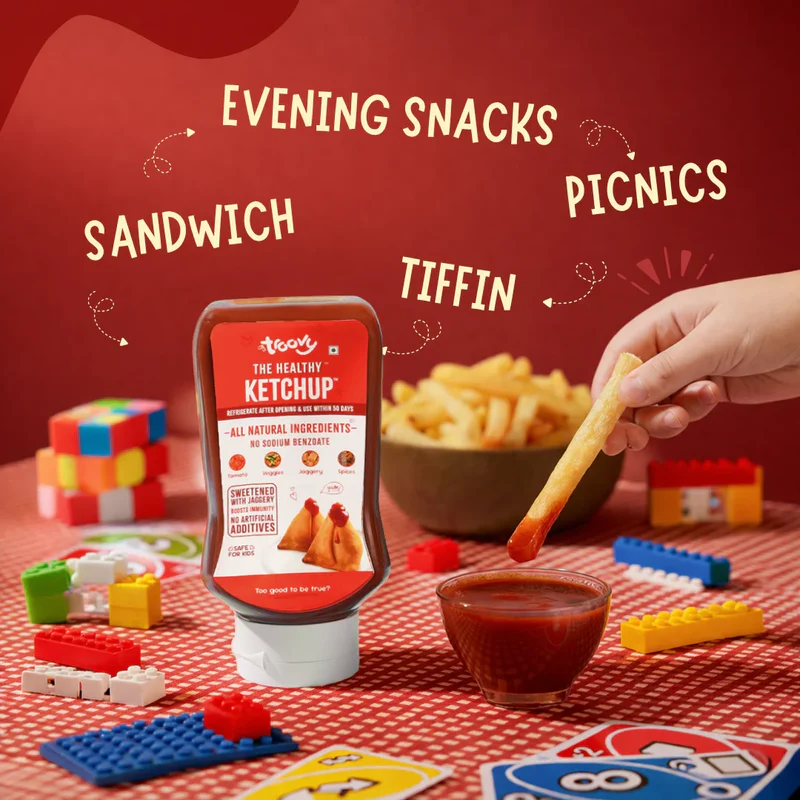
Generally, a bottle of ketchup is quickly consumed in households where there are kids since it is often put near wedges, wraps, sandwiches, cutlets, and other foods eaten during after-school snacks that require something familiar to be served alongside. Parents hardly give it much thought until the time comes when they carefully read the label. Then, the list of ingredients becomes considerably long.
A majority of products bought in supermarkets have artificial color, preservatives used simply to enhance the life span of the product, as well as refined sugar. This change in the purchase pattern has led to the emergence of products with ingredients that everyone knows about and understand. One such product is Organic Tomato Ketchup for Kids.
Why Parents Started Reading Labels More Carefully
A bright package says very little about the actual recipe inside the bottle. Several commercial ketchup products rely heavily on sweetness because children react quickly to strong flavors. Manufacturers know that. More sugar often means stronger repeat preference.
Eventually, however, the process alters their diet. Those foods which have mild flavor due to their natural content become unexciting after kids become accustomed to very highly processed sauces eaten for lunch, during snacks, and at restaurants. This effect is not seen right away. Most people realize this when vegetables are becoming increasingly rejected.
Tomatoes Already Bring Strong Flavor Naturally
This means that tomatoes do not require a lot of effort in adding flavor. With proper ripening and cooking, they provide natural sweetness along with acidity which complements other foods that kids like to eat.
Vegetable Blends Make Recipes Feel Less One-Dimensional
Some ketchup varieties now include vegetables like pumpkin, carrot, peas, or sweet potato alongside tomatoes. The flavor does not shift too heavily, which is why children usually continue eating it without much resistance during regular meals or snack time.
Different Sweeteners Affect Flavor More Than Expected
Refined sugar often overpowers everything else inside the sauce. Jaggery works differently. The sweetness feels milder, slightly richer, plus the tomato taste stays noticeable instead of disappearing behind a sugary finish.
Artificial Ingredients Make Parents Pause
Many parents now check labels carefully before buying products used regularly at home. Synthetic colors, chemical preservatives, alongside unfamiliar additives tend to raise questions quickly. Simpler recipes usually feel easier to bring into everyday meals because the ingredient list sounds more familiar from the start.
Familiar Meals Stay Familiar
Children usually reject foods that feel completely different from what they already know. Tomato-based condiments work because the flavor still feels recognizable beside wraps, sandwiches, baked snacks, plus homemade finger foods.
Small Pantry Changes Affect Everyday Eating Habits
Children build food preferences through repetition. Not through lectures. If heavily processed flavors show up every single day, those become the baseline expectation during meals.
What Many Families Look For Before Buying
- Recognizable ingredients instead of chemical-heavy labels
- Tomato-rich recipes with better overall balance
- Reduced dependence on refined sweeteners
- Smooth texture suitable for dipping plus spreading
- No artificial coloring agents
Storage Habits Matter Too
Products prepared without aggressive preservatives usually require refrigeration after opening. Texture, flavor, along with freshness hold up better when storage instructions are followed properly.
Children Still Care About Taste First
A child almost never asks how a product was processed. Flavor decides everything within seconds. Texture matters immediately after that. If either feels strange, the bottle gets ignored. That reality shapes successful products more than marketing ever will. Cleaner ketchup options work best when the flavor still feels familiar enough for children to enjoy naturally. Parents focus on the ingredient quality. Children focus on whether the food still tastes good beside fries, wraps, or grilled snacks after school.
During busy weekdays, convenience matters just as much as nutrition. School lunches need quick preparation. Evening snacks happen fast. Meals that take too much effort usually disappear from the weekly routine.
Right in the middle of those rushed schedules, Natural Ketchup often fits easily beside homemade potato wedges, grain-based wraps, vegetable cutlets, or quick lunchbox snacks prepared before school.
Snack Time Usually Shapes the Entire Day
Dinner gets most of the attention. Snacks quietly take up more space. Children eat between meals constantly during school weeks. Sports practice, long commutes, tuition classes, plus evening hunger all create smaller eating moments throughout the day. Those moments influence overall food quality far more than many parents expect.
Simple mixes work best since they demand lesser preparation. Baked potato wedges, roasted corn bites, multigrain crackers, plus chickpea patties usually get accepted faster when there is a familiar tomato dip on the side. Children may hesitate with new textures at first, but recognizable flavor changes the reaction almost immediately.
Ingredient Transparency Now Influences Buying Decisions
Parents now spend longer reading ingredient panels than front-label promises. That change happened quietly. A few years ago, most shopping decisions came down to branding or taste claims. These days, many parents turn the bottle around before anything else, particularly when the product is going to be used often throughout the week for children’s meals or snacks. Ingredients connected with artificial coloring, preservatives, or unnecessary additives usually catch attention straight away once the label gets read properly.
Nobody wants to decode complicated labels during grocery shopping. Products emphasizing vegetables, tomato concentration, along with straightforward recipes now feel easier for families to bring home consistently. Simpler ingredient lists reduce hesitation because the food feels less processed from the start.
Consistency still matters, though. Children expect the same flavor each time a familiar bottle reaches the table. Products balancing recognizable taste with cleaner ingredients usually remain part of the routine longer.
Final Thoughts
Could one simple switch inside the pantry make everyday snack routines feel less complicated for parents? Families looking for straightforward ingredients, preservative-free recipes, plus vegetable-focused options often prefer products that balance convenience with cleaner preparation methods. In that space, Troovy offers ketchup varieties prepared with tomatoes, vegetables, jaggery, alongside recipes designed for regular family meals. Those choices can make Healthy Snacks for Kids easier to prepare while still keeping familiar flavors children genuinely enjoy.