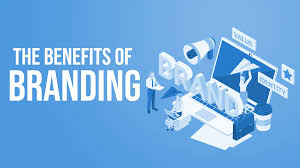
Selecting a branding partner represents one of the most consequential decisions a business can make, yet many organizations approach this choice with insufficient preparation. The wrong partnership can result in wasted resources, misaligned messaging, and missed market opportunities that set growth trajectories back by years. Understanding which criteria truly matter, and which common considerations distract from what drives sustainable brand development, separates companies that build enduring market presence from those that struggle with identity confusion and inconsistent positioning.
Why the Right Branding Partner Is Critical for Long-Term Business Growth
While many businesses view branding as a one-time project, selecting the right partner transforms it into a strategic advantage that compounds over years. A skilled branding partner doesn’t simply create logos or taglines, they architect identity systems that evolve with market demands while maintaining core authenticity.
The wrong choice leads to misaligned messaging, inconsistent customer experiences, and costly rebranding cycles that drain resources. Conversely, the right partner brings strategic foresight, understanding how today’s brand decisions impact tomorrow’s market positioning. They identify growth opportunities through consumer insights, competitive analysis, and cultural trends.
Long-term partnerships enable brands to maintain consistency across expansion phases, new product launches, and market pivots. This continuity builds brand equity systematically, creating recognition that translates directly into customer loyalty, premium pricing power, and sustainable competitive differentiation.
Defining Your Brand Identity, Vision, and Market Position
Before selecting a branding partner, organizations must first crystallize their internal understanding of three foundational elements: what they are (identity), where they’re going (vision), and how they differ (market position).
Brand identity encompasses core values, mission, and personality, the authentic essence that drives organizational behavior. Without this clarity, a branding partner lacks the compass needed to create meaningful work.
Vision defines future aspirations and strategic direction. It answers where the organization aims to be in five or ten years, providing the context for brand development that supports growth objectives.
Market position establishes competitive differentiation. Organizations must articulate their unique value proposition, target audience, and competitive advantages. This knowledge enables branding partners to craft strategies that resonate with the right customers and distinguish the brand from competitors effectively.
Using a Branding Agency Finder to Identify Qualified Partners
With foundational brand elements defined, organizations can begin the practical work of identifying potential partners. Branding agency finder streamline this process by aggregating vetted agencies based on specific criteria. These platforms allow businesses to filter by industry expertise, service offerings, budget parameters, and geographic location.
Effective agency finders provide detailed profiles including past client work, case studies, and verified reviews. This transparency enables preliminary assessment without extensive research. Organizations should prioritize platforms that verify agency credentials and maintain current portfolios.
The filtering capabilities prove particularly valuable for matching company size and project scope with appropriate partners. Small enterprises benefit from identifying boutique agencies, while larger corporations can locate full-service firms with global capabilities. These tools reduce initial screening time while expanding the pool of qualified candidates beyond immediate networks.
Evaluating Portfolio Quality, Creativity, and Consistency
Once candidates emerge from initial filtering, portfolio analysis becomes the primary evaluation method for evaluating agency capabilities. Examining past work reveals an agency’s design sophistication, strategic thinking, and ability to solve complex branding challenges.
Organizations should assess whether portfolio pieces demonstrate original thinking rather than derivative trends. Strong agencies showcase diverse industry experience while maintaining distinctive creative approaches.
Consistency across portfolio pieces indicates reliable execution standards. Evaluators should identify whether projects reflect cohesive brand narratives and strategic alignment with stated business objectives.
Case studies revealing measurable outcomes, increased market share, improved brand recognition, or enhanced customer engagement, provide concrete evidence of impact. Visual polish matters, but substance determines partnership value. Agencies articulating clear problem-solving methodologies and demonstrating adaptability across brand touchpoints signal capacity for sustained collaboration and growth-oriented results.
Assessing Strategic Thinking and Industry Experience
Strategic thinking separates competent designers from transformative branding partners. Organizations should evaluate how agencies approach business challenges beyond aesthetics. Strong partners demonstrate understanding of market positioning, competitive differentiation, and customer psychology. They ask probing questions about business objectives, target audiences, and growth trajectories before proposing visual solutions.
Industry experience provides valuable context but shouldn’t be the sole criterion. Agencies with relevant sector knowledge bring insights into category conventions, regulatory considerations, and audience expectations. However, fresh perspectives from partners outside the industry often yield breakthrough positioning strategies.
The ideal branding partner combines strategic rigor with creative excellence. They articulate clear rationales connecting brand decisions to business outcomes. Request case studies demonstrating measurable impact, not just attractive deliverables. This reveals whether agencies think like business consultants or merely execute creative briefs.
Understanding Pricing Structures, Deliverables, and Timelines
Transparent pricing structures eliminate confusion and establish realistic expectations from project initiation. Organizations should request detailed breakdowns showing what specific deliverables justify each cost component. Reputable agencies provide clear proposals outlining brand strategy development, visual identity creation, messaging frameworks, and implementation guidelines.
Timeline clarity proves equally critical for operational planning. Agencies must specify milestone dates for research phases, concept presentations, revision rounds, and final asset delivery. Businesses should inquire about factors that might extend timelines and how agencies handle scope changes.
Understanding deliverable ownership matters considerably. Contracts should specify intellectual property rights, file formats provided, and whether source files transfer to the client. Companies must also clarify post-launch support availability, including brand guideline training and asset customization assistance for future applications.
Ensuring Strong Communication and Collaborative Processes
Effective branding partnerships depend on communication frameworks that facilitate information exchange and decision-making throughout project lifecycles. Organizations should evaluate potential partners based on their responsiveness patterns, preferred communication channels, and escalation protocols for addressing concerns.
Structured touchpoints, including kickoff meetings, milestone reviews, and feedback sessions, create accountability and maintain project momentum. Collaborative processes require transparency in methodologies and decision-making criteria. Partners should demonstrate willingness to incorporate stakeholder input while maintaining creative direction.
Access to project management tools, shared workspaces, and documentation systems enables real-time visibility into progress and deliverables. The partnership’s success hinges on establishing clear roles, responsibilities, and approval workflows from project inception. Regular status updates and proactive problem-solving prevent misalignments that could compromise timelines or outcomes.
Building a Lasting Partnership That Supports Scalable Brand Growth
Long-term branding partnerships evolve beyond individual project execution to become strategic assets that adapt to changing business needs. Organizations should seek partners who demonstrate capacity to scale services alongside growth trajectories, maintaining consistency while accommodating expansion into new markets or product lines.
Successful partnerships require established frameworks for ongoing strategy refinement. Partners must understand evolving customer segments, competitive landscapes, and emerging channels. This demands regular brand audits, performance reviews, and strategic planning sessions that keep brand positioning relevant.
Financial structures should support sustained collaboration through retainer models or phased engagements rather than transactional project work. Clear governance protocols, including decision-making hierarchies and escalation processes, prevent bottlenecks as organizations grow.
Partners who invest in understanding business fundamentals, revenue models, operational constraints, and growth objectives, deliver solutions aligned with commercial realities, ensuring brand initiatives drive measurable business outcomes.