
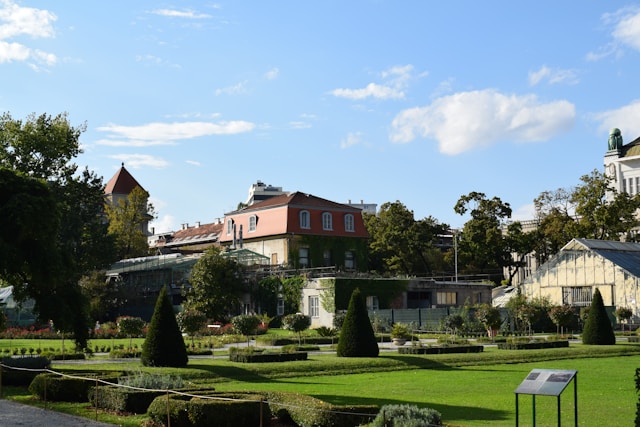
This selection of iconic and exceptionally green destinations offers travellers the opportunity to explore plant life from across the globe.
Botanical gardens have long inspired images of glasshouses filled with exotic species, carefully labelled plants and recreated natural habitats.
For centuries, this concept has shaped landscape design and botanical research worldwide. Yet many contemporary botanical gardens have begun redefining that tradition, creating immersive spaces that celebrate local ecosystems while connecting visitors with the natural world in new ways.
Among these remarkable places is one located much closer to home for Australian travellers. The Royal Botanic Gardens Melbourne stand out not only for their beauty but also for their innovative approach to landscape design.
Exploring them—perhaps through a free walking tour Melbourne experience that introduces visitors to the city’s natural and cultural landmarks—offers a deeper understanding of how botanical gardens can serve both science and community.
Royal Botanic Gardens – Melbourne
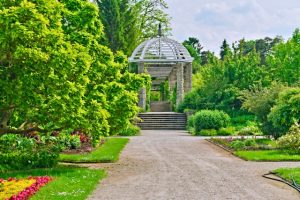
Melbourne’s Royal Botanic Gardens represent a modern interpretation of what a botanical garden can be. Rather than focusing solely on displaying exotic plants from distant continents, the gardens highlight Australia’s extraordinary biodiversity and landscapes.
One of the most striking initiatives connected with this vision is the Australian Garden, designed by landscape architect Paul Thompson and the studio T.C.L. Located in a former quarry on the outskirts of Melbourne, the project merges sculptural design with native vegetation to create an immersive experience that celebrates the country’s diverse ecosystems.
Water serves as the central narrative element throughout the garden. Visitors follow a symbolic journey through Australia’s landscapes, from the arid interior deserts to vibrant coastal environments. Carefully arranged stone structures, striking colours and native plantings evoke the dramatic contrasts that define the Australian continent.
More than simply a green space, the Royal Botanic Gardens Melbourne function as a living cultural landscape. Educational programs, free walking tour Melbourne, exhibitions and community events transform the gardens into one of the city’s most popular public spaces.
Rio de Janeiro Botanical Garden (Brazil)
Founded in 1808 by Prince Regent João VI of Portugal, the Rio de Janeiro Botanical Garden is one of the most celebrated botanical institutions in South America. Today it is recognised by UNESCO as part of the Atlantic Forest Biosphere Reserve and is famous for its lush tropical environment.
Among its most iconic features is the Avenue of Imperial Palms, planted when the garden first opened. The garden also contains remarkable sections dedicated to Amazonian flora, a lagoon filled with enormous Victoria Regia water lilies and a renowned orchid house displaying hundreds of orchid species.
Divided into thematic areas, the garden offers visitors a journey through diverse landscapes. Japanese gardens, tropical plant collections, cactus greenhouses and colourful orchid displays create a refreshing oasis in the city of Rio de Janeiro.
Royal Botanical Garden of Madrid (Spain)
Situated beside Madrid’s famous Prado Museum along the Paseo del Arte, the Royal Botanical Garden of Madrid is both a scientific institution and a historic cultural landmark. Founded during the Enlightenment by King Ferdinand VI, it has served for centuries as a centre for botanical research and plant conservation.
The garden is organised into three stepped terraces displaying plants from Europe, the Americas and the Pacific region. Beyond its living collections, the institution houses a vast scientific archive including an herbarium with more than one million specimens and thousands of botanical illustrations produced during Spanish scientific expeditions in the eighteenth and nineteenth centuries.
Declared an Artistic Garden in 1942, the site remains closely linked to academic research. Managed by Spain’s National Research Council, it regularly hosts conferences, educational programs and public events dedicated to botanical science.
Kirstenbosch Botanical Garden (South Africa)
Framed by the dramatic slopes of Table Mountain, the Kirstenbosch National Botanical Garden in Cape Town is widely regarded as one of the most beautiful botanical gardens in the world.
Established with the goal of protecting South Africa’s native flora, Kirstenbosch was among the first botanical gardens to prioritise indigenous plants rather than imported species. Today it hosts more than 7,000 species, all native to the region.
Visitors can explore several of South Africa’s major biomes, from savanna landscapes to the distinctive fynbos ecosystem that dominates the Cape region. Many of the plants appear almost otherworldly, with flowers shaped like brushes, drought-resistant leaves and dramatic desert succulents.
One of the garden’s most memorable attractions is the Boomslang Tree Canopy Walkway, a curved steel and timber bridge that winds above the treetops and offers panoramic views of the surrounding landscape.
José Celestino Mutis Botanical Garden (Colombia)
In Bogotá, the Colombian capital, the José Celestino Mutis Botanical Garden provides a journey through the extraordinary biodiversity of the country. As Colombia’s largest botanical garden, it offers visitors a chance to explore ecosystems ranging from tropical rainforests to high-altitude páramo landscapes.
The garden’s most striking feature is the Tropicario, a futuristic greenhouse complex consisting of six interconnected glass domes. Each dome recreates a different Colombian ecosystem, allowing visitors to experience the country’s diverse climates and plant life within a single space.
Inside the tropical forest dome, dense vegetation and humid air create the sensation of walking beneath a misty jungle canopy. Nearby sections display desert plants, orchids, bromeliads and alpine flora found in the Andes.
Named after the Spanish botanist José Celestino Mutis, who led a historic botanical expedition to the region in the eighteenth century, the garden stands as both a scientific centre and a tribute to Colombia’s extraordinary natural heritage.