
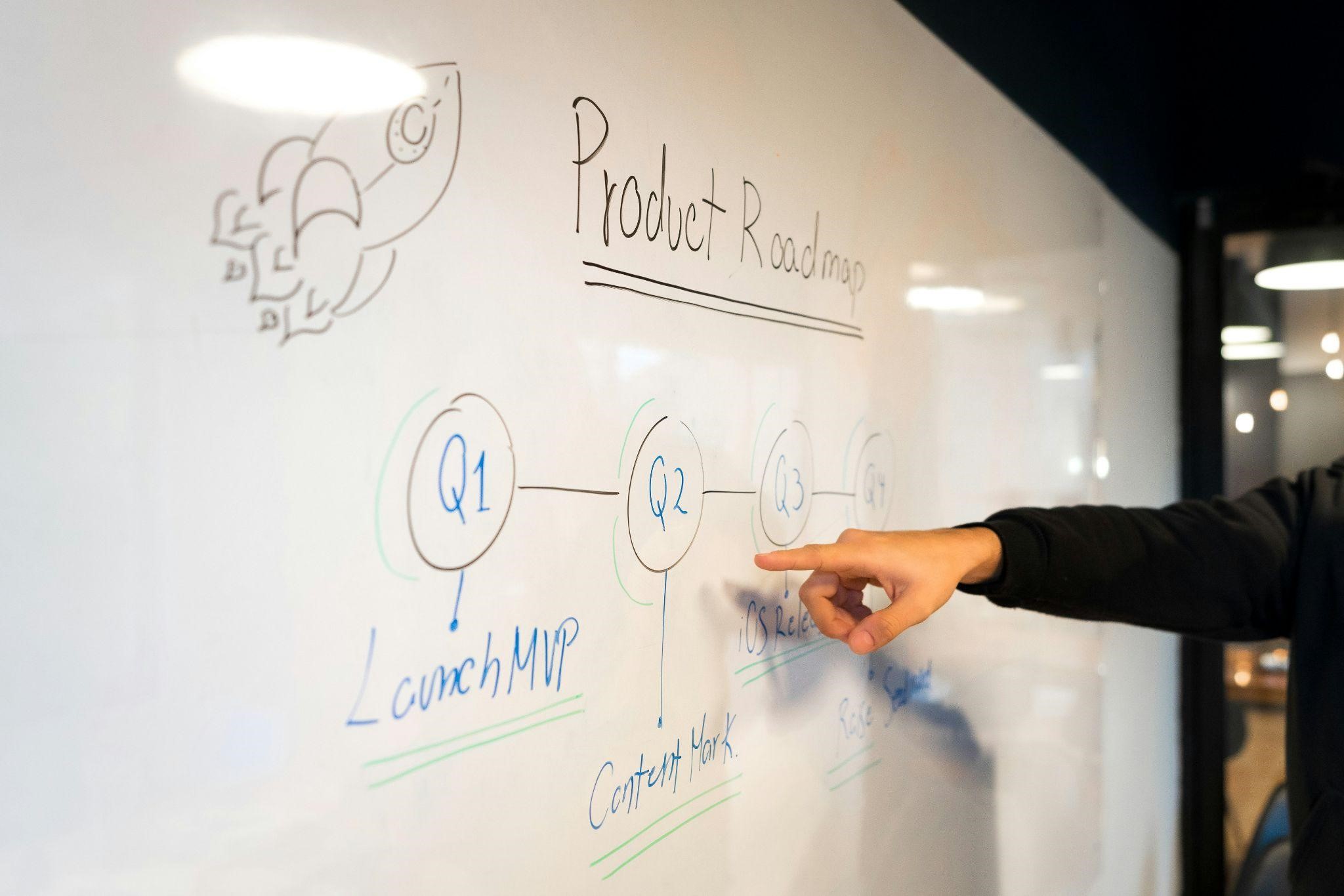
Every startup begins with scrappy solutions. A spreadsheet tracks the budget, a group chat replaces a real communication system, and one founder handles hiring, scheduling, and design requests all before lunch. These tools feel perfect in the early days because they are fast, cheap, and flexible enough to bend around a small, tight-knit team. But something strange happens once a company crosses roughly fifty employees. The very tools that made growth possible suddenly start slowing everything down, and few founders see it coming until the cracks are already showing. What worked beautifully at ten people can quietly become the biggest obstacle standing between a company and its next stage of growth.
This moment catches almost every growing company off guard. At ten or twenty employees, informal systems work because everyone knows everyone, and problems get solved with a quick conversation. At fifty employees, that informal structure collapses under its own weight. Communication breaks down between departments that used to sit five feet apart. Manual processes that once took twenty minutes now take entire days because there are simply more people, more requests, and more moving parts to manage.
The tricky part is that most of these breaking points are invisible until real damage has already happened. A founder does not usually notice that scheduling has become chaotic until employees start complaining about unfair shifts. A leadership team does not usually notice that their design requests are piling up until a product launch gets delayed. By the time the pain becomes obvious, the company has often lost weeks or months of momentum simply because nobody upgraded the systems holding daily operations together.
What makes this stage so important is that the fix rarely requires reinventing the entire business. In most cases, the answer is recognizing which early tools have quietly turned into bottlenecks and replacing them with systems built for a bigger team. Companies that make this shift early tend to keep growing smoothly. Companies that ignore it often stall out, not because their idea stopped working, but because their operations simply could not keep up with their own success.
Where Growing Companies Get Stuck First
Two areas tend to break down fastest as companies scale past the fifty-person mark: creative output and internal technology. Both start out manageable with a small team and a handful of freelancers or basic tools. Both quietly become chaotic once demand multiplies and the systems supporting them were never built to handle that kind of volume.
When Design Requests Outgrow the Freelancer Model
Creative work is one of the clearest examples of this shift. Early on, a founder might hire a single freelance designer or lean on a co-founder with a creative eye. That setup works fine when the company only needs a logo, a pitch deck, and a handful of social posts each month. Once marketing, sales, and product teams all start requesting design work at the same time, that same setup becomes a serious bottleneck.
James Rigby, Founder of Design Cloud, has watched this exact pattern play out across dozens of growing companies that reach out once their creative needs outpace their creative capacity.
“When my agency clients hit around fifty employees, I watched them outgrow their freelance design network almost overnight. We stepped in with a flexible subscription model, and one client cut their creative turnaround time from two weeks down to just two days flat. Scaling creative output should not mean scaling headcount. I built Design Cloud so growing teams get consistent design without the hiring headache.”
This example shows a pattern that repeats across nearly every department at this stage. The early solution was never wrong, it was simply sized for a much smaller company. Recognizing that difference, and replacing the old system before it causes real delays, is often the clearest sign of a founder ready to lead the next stage of growth.
Outdated Technology and the Hidden Cost of Staying Small-Minded
Technology tells the same story, just with higher stakes. Many startups launch on a patchwork of spreadsheets, free tools, and manual workarounds because speed matters more than polish in the early days. That patchwork usually survives just fine until the company grows large enough that manual processes start eating into hours that should be spent serving customers or building new products.
John Turns, Vice President of Strategy of Seisan, has spent years helping growing companies modernize the technology holding their teams back without slowing the business down in the process.
“I’ve watched fifty-person companies stall because the spreadsheets and manual workflows that got them started could not handle real growth. We stepped into one client’s operation and automated three processes that were eating twenty hours a week of staff time. Within two months, their team redirected that time straight into customer engagement. The tools that built your startup are rarely the tools that scale it.”
This kind of transformation rarely requires massive, disruptive overhauls. Often, a handful of targeted automations can free up enough time and energy to meaningfully change how a team operates. The real risk is not the cost of upgrading systems, it is the hidden cost of staying attached to tools that quietly drain hours from a growing team every single week.
Workforce Management Becomes a Growing Pain of Its Own
People operations face a nearly identical challenge as headcount climbs. A ten-person team can manage schedules with a shared spreadsheet and a group text. A fifty-person team, especially one working shifts across multiple roles or locations, cannot rely on that same informal system without creating real frustration among staff.
Kyle Bolton, Founder of CrewHR, built his platform specifically to solve the scheduling chaos that tends to appear right around this growth stage.
“Once a company crosses fifty employees, the spreadsheet rota that worked fine with ten people quietly turns into a nightmare. We had one client spending six hours every single week just fixing scheduling conflicts by hand. After switching to CrewHR, that dropped to under thirty minutes, with zero double-booked shifts. Growing teams do not need more admin work, they need systems smart enough to grow with them.”
Six hours a week may not sound dramatic on its own, but multiplied across a full year, it represents an enormous amount of lost management time. That time could go toward coaching employees, improving customer service, or planning the company’s next phase of growth. Instead, it often gets buried inside a task that better systems could have handled automatically from the start.
Knowing When Outdated Tools Signal a Bigger Decision
Sometimes the strain caused by outdated tools points toward a decision even bigger than switching software. For some founders, the fifty-person mark is when they start asking whether they are still the right person to keep scaling the business, or whether it might be time to hand it off to someone with fresh resources and energy.
Andrew Gazdecki, Founder and CEO of Acquire.com, has guided thousands of founders through exactly this kind of turning point in their company’s story.
“I’ve talked to hundreds of founders who hit fifty employees and realize the scrappy systems that got them started are now holding back their exit value. We’ve helped founders sell over 500 million dollars in startups, and the strongest deals always came from businesses that modernized their operations early. Buyers pay a premium for companies that run on real systems, not founder memory. Knowing when to upgrade your tools is often the first step toward knowing when you are ready to sell.”
This perspective adds an important layer to the fifty-person problem. Upgrading outdated tools is not just about smoother daily operations. It can directly shape how much a company is worth, whether the founder plans to keep building or eventually pass the business to new ownership. Either path benefits from the same underlying habit: refusing to let early-stage tools quietly define the ceiling of a company’s growth.
The Real Lesson Behind the Fifty-Person Wall
Every company that pushes past this stage successfully seems to learn the same lesson at roughly the same time. The tools and habits that helped a business survive its first few years are rarely the same tools that will help it thrive in the years that follow. Holding onto them out of comfort or nostalgia does not protect a company. It quietly limits how far that company can go.
The founders and experts featured here approached this challenge from completely different angles, covering creative work, internal technology, workforce scheduling, and even the eventual sale of a business. Yet they all arrived at the same core truth. Growth exposes weaknesses that comfort used to hide, and the businesses that thrive are the ones willing to replace what no longer works, even when it once felt essential. Recognizing that moment, rather than fearing it, may be the single most valuable skill any growing founder can develop.
There is no single warning bell that rings when a company crosses this threshold. Instead, the signs show up quietly, in a design request that sits too long, a scheduling conflict that upsets a valued employee, or a manual process that eats into a Friday afternoon that should have ended hours earlier. Founders who pay attention to these small signals, rather than dismissing them as normal growing pains, tend to move through this stage faster and with far less stress on their teams. The ones who ignore the signals often find themselves fighting the same battles over and over, wondering why growth suddenly feels so much harder than it used to.
In the end, the fifty-person problem is less about any single tool and more about a mindset. It asks founders to let go of the systems that carried them this far and trust that something better exists for the stage they are entering next. That kind of letting go is rarely comfortable, but it is almost always the difference between a company that plateaus and one that keeps building momentum long after the early scrappy days are behind it.