Introduction
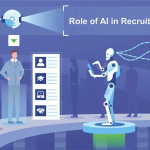
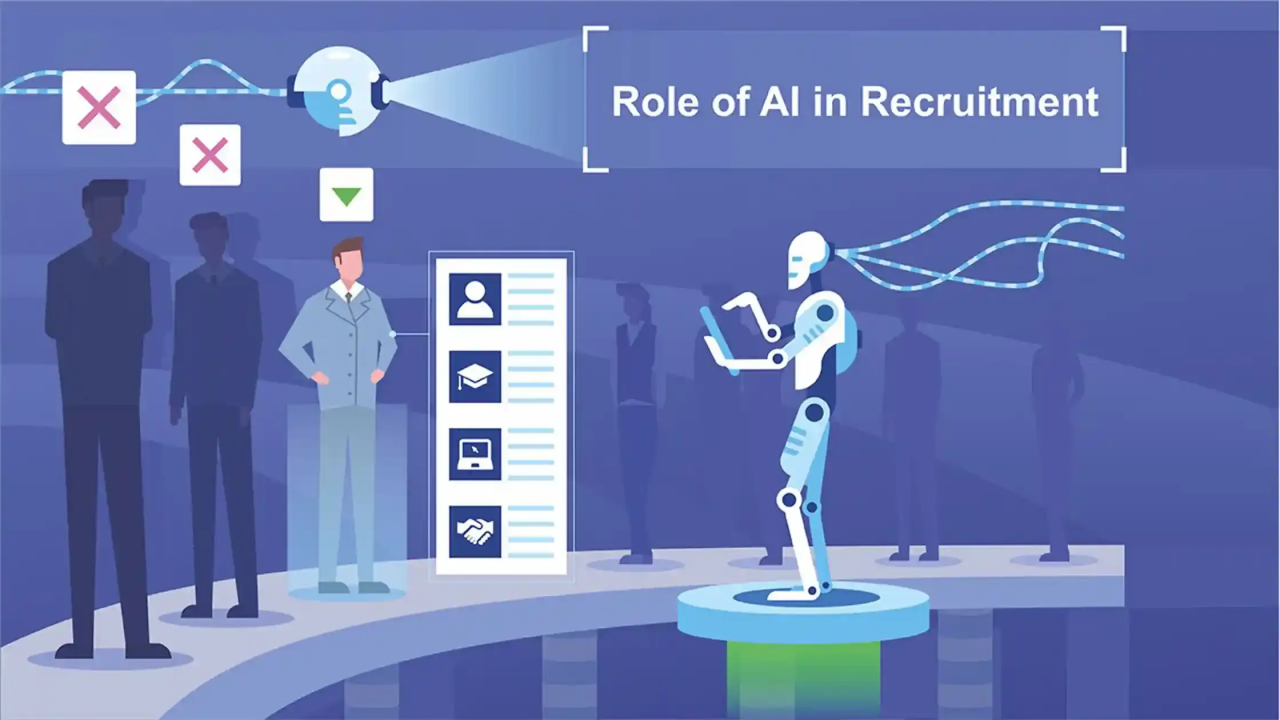
AI is transforming hiring by helping businesses in finding the right person, creating talent databases, and organizing the hiring process. But efficiency does not imply fairness. An algorithm which learns from the incomplete or less clearly defined historical data can replicate patterns that work against certain candidates.
Hence, organisations employing AI hiring tools should study the impact of technology on recruitment choices. An audit can expose patterns that were previously unknown and help with accountability.
Understand the Technology You Use
Leonar is an AI-powered recruitment platform that helps to speed up securing, engagement, and tracking of competitors. It’s a single system solution for recruitment agencies and in-house teams that extends their reach over LinkedIn, scores with AI, provides CRM features and merges with ATS.
AI sourcing gives access to 870M+ profiles across 30+ platforms including LinkedIn, GitHub, Stack Overflow etc. and, importantly, shortlisting is automated. Personalized outreach sequences can be developed with email, LinkedIn and WhatsApp, and automated follow-ups.
Built-in CRM for pipeline management and real-time collaboration within the team is also included in Leonar. Verified email addresses and phone numbers are automatically added to its data enrichment feature and its ATS synchronizes directly with Lever, Greenhouse, and Workday. Analytics can monitor the time to hire, response rate, and source effectiveness, and AI assistants can connect an integration with Claude and ChatGPT.
Examine the Data Behind Hiring Decisions
The first step in a successful audit is with the data that impacts recruitment results. Patterns in the past hiring process may be unintentionally used as part of the hiring process. If, for example, a firm has traditionally recruited from a select few universities, regions, or industries, an algorithm designed to reward that type of profile might end up rewarding a similar profile.
It’s important for recruiters to ask, however, what elements are used to affect candidate scoring, if any, and whether there is a group that is consistently losing their applications, and if the criteria actually do correspond to the position. Responsible AI recruitment relies heavily on data quality, as AI-powered systems can only make accurate proposals with high-quality data.
Compare Candidate Outcomes
Comparing recruitment results for various groups of candidates can indicate any areas requiring further research. Some of the useful attributes are: Application-to-Screening, Screening-to-Interview, Interview-to-Offer, Offer Acceptance, Time-to-Hire, and Response Rates.
However, if there is a difference between groups, it is not necessarily an indication of bias, but if there is an ongoing difference, investigate. Comparing outcomes over time can indicate if a process is getting better or worse.
Audit AI Scoring and Shortlisting
While AI scoring is a valuable tool for recruiters to handle vast talent pools, automated rankings should not be taken for granted. The key to the best recruiting tools is to aid the professional rather than ending the professional decision-making process.
When auditing, check if scores are based on appropriate qualifications, skills, experience, and job requirements. Be careful with factors that may negatively affect a qualified candidate, even if they are not considered employment-related. Manual review is particularly important for candidates who are only partially qualified for a position, for instance if transferable skills are not indicated by their previous occupations or if they lack experience in a line of work that is not common.
Monitor the Process Continuously
Measurable performance information can help support continuous monitoring, with the support of modern AI recruitment tools. For instance, Leonar offers analytics for time-to-hire, response rate and source effectiveness. These are metrics that can be used by teams to assess sourcing and engagement performance.
1,000+ recruiters use Leonar , including KPMG, Amazon, and Back Market. With sourcing, AI scoring, CRM and ATS integration, it aims to provide recruitment teams with a seamless workflow, without having to replace their current ATS.
Choose Tools With Accountability in Mind
While assessing the top AI hiring tools 2026, businesses must consider more than just the attributes and capabilities. Transparency, data quality, human overlaid, measurable results, and integration are all important.
Teams should also record the use of AI, outline the decisions that must be made by a human and set up regular checks for atypical scenarios. Transparency can be helpful to recruiters to understand when an automated recommendation isn’t right.
Conclusion
The primary issue with auditing AI hiring is ensuring technology is held accountable. Analyzing the data behind the recommendations, comparing the outcomes of candidates, checking the scoring criteria and tracking performance over time can help organizations to detect bias before it becomes incorporated into the process.
The goal is NOT to get rid of AI. This is to make sure that AI hiring tools help make decisions that are fair, evidence-based, and relevant. By thoughtfully managing their recruitment process and using the appropriate recruitment technology, they can make their hiring processes efficient and candidates and recruiters can trust them.