In the realm of plumbing and water supply systems, the materials chosen for pipes play a fundamental role in the system’s overall functionality and sustainability. Polyethylene (PE) pipes have become increasingly popular due to their unique properties and advantages over traditional PVC pipes. In this blog, we will explore what PE pipes are, how they compare with PVC pipes, and introduce LESSO’s PE Water Supply Pipes, which exemplify the best features of this material.
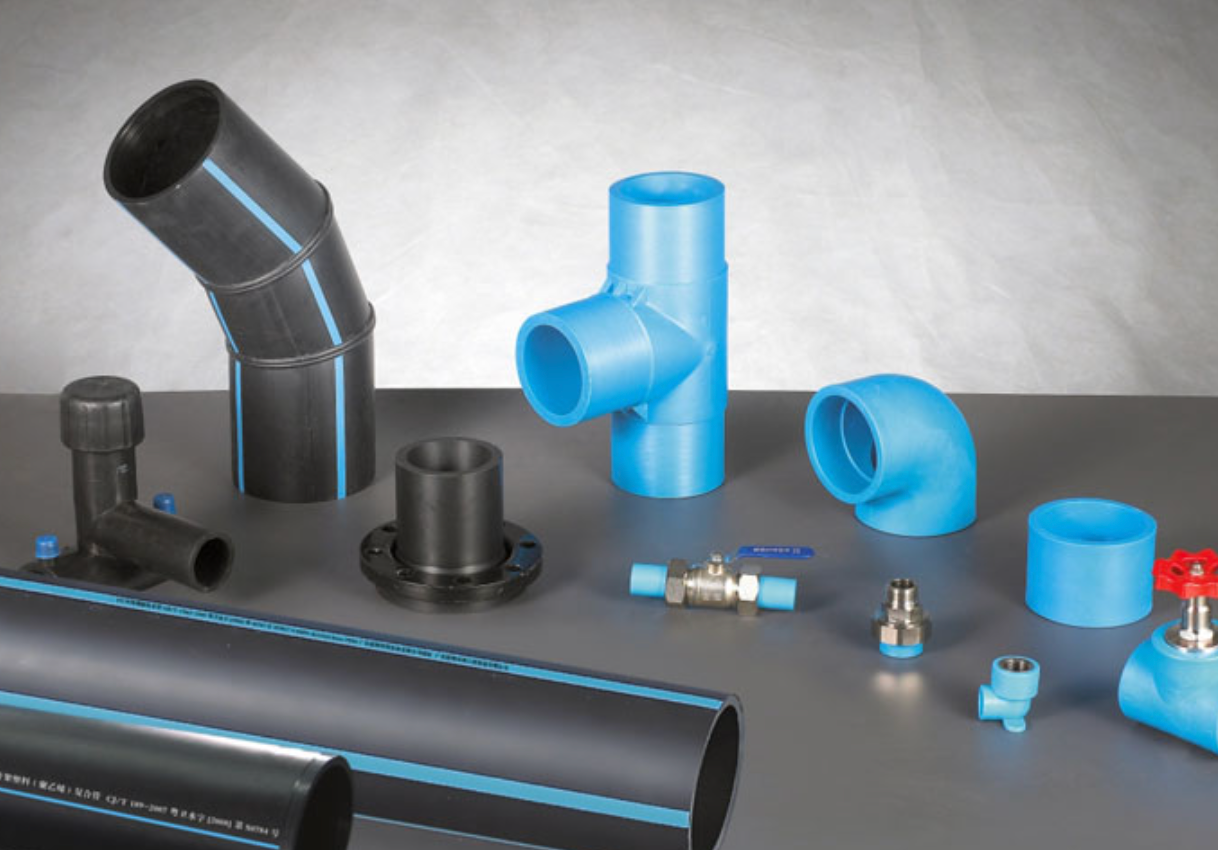
What are PE Pipes?
Polyethylene pipes, commonly referred to as PE pipes, are manufactured from a thermoplastic polymer made from the polymerization of ethylene. These pipes are widely used in water supply, irrigation, and various industrial applications due to their flexibility, durability, and resistance to corrosion. PE pipes come in several grades, with high-density (HDPE) and medium-density (MDPE) being the most common for water distribution.
PE Pipes vs. PVC Pipes
Flexibility and Toughness
PE pipes are notably more flexible than PVC pipes, which allows them to withstand occasional and long-term ground movements better. This flexibility reduces the risk of pipe bursting under pressure or due to ground shifts. The tough nature of PE also contributes to its ability to handle higher water pressures, making it suitable for a variety of environments, from municipal water supply to rugged terrain irrigation.
Chemical and Corrosion Resistance
Both PE and PVC pipes offer excellent resistance to a wide range of chemicals, making them ideal for use in industrial applications where chemical exposure is common. However, PE pipes have an edge in environments with high levels of soil acidity or alkalinity, where PVC might degrade over time. Unlike PVC, PE is inherently resistant to microbial growth, which can be a significant advantage in potable water systems.
Installation and Handling
PE pipes are lighter than PVC, making them easier to transport and handle on site. The installation of PE pipes typically requires fewer fittings due to their flexibility, which can bend around obstacles without the need for additional connectors. This can lead to a decrease in installation time and costs.
Environmental Impact
PE is often touted for its lower environmental impact compared to PVC. PE pipes are made from fewer additives and can be recycled at the end of their lifecycle, reducing their overall environmental footprint.
Spotlight on LESSO’s PE Water Supply Pipes
LESSO, a renowned manufacturer in the piping industry, offers PE Water Supply Pipes that stand out for their superior quality and environmental safety. Here’s why LESSO’s PE pipes are a great choice:
Non-toxic and Sanitary
LESSO’s PE pipes are free from heavy metal additives, ensuring that there is no risk of water contamination through pipe degradation. This absence of toxins makes the water supply safe and clean, preventing any secondary pollution and maintaining the water’s purity and taste.
Corrosion Resistance
LESSO’s PE pipes boast exceptional resistance to both chemical and electrochemical corrosion processes that can affect metal pipes. This resistance extends the life of the pipes significantly and ensures that the water quality is not compromised by corroded materials.
Applications
LESSO’s PE pipes are versatile and can be used in a broad range of applications, from portable water supply and sewerage systems to agricultural irrigation networks. Their adaptability and resilience make them an ideal choice for challenging environments and demanding applications.
Conclusion
PE pipes offer a robust alternative to traditional PVC pipes, particularly in terms of flexibility, environmental impact, and durability. LESSO‘s PE Water Supply Pipes encapsulate these benefits, providing a safe, efficient, and cost-effective solution for modern water supply needs. Whether for residential, commercial, or agricultural use, LESSO’s PE pipes deliver reliability and quality that you can trust, ensuring a sustainable and efficient water management system.