Selecting compatible materials for molecular testing is not simply a matter of purchasing standard consumables. Laboratories often operate different real-time PCR platforms, and each system may have specific requirements for reaction formats, optical detection, thermal performance, and workflow integration. Choosing suitable PCR supplies requires understanding how these factors influence amplification quality and laboratory efficiency.
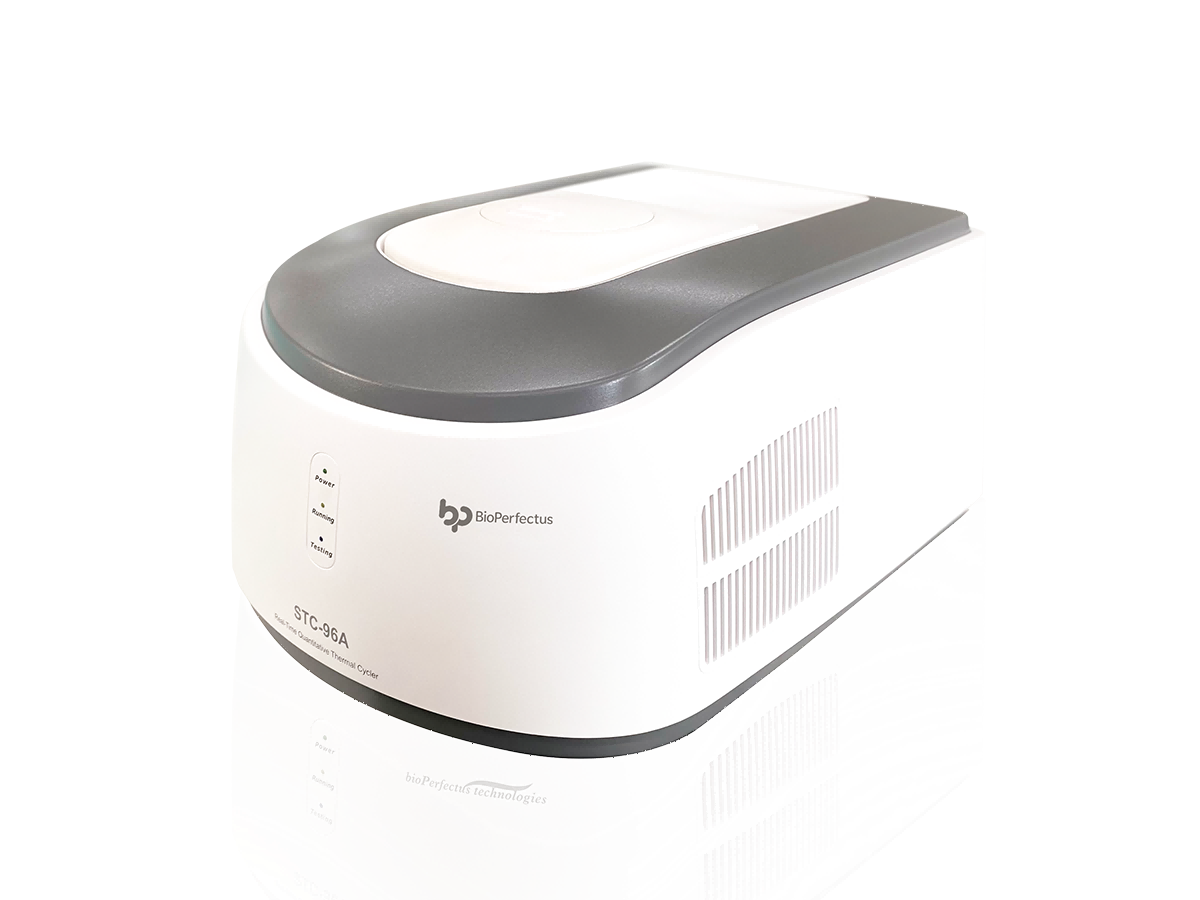
For clinical and diagnostic laboratories, the relationship between consumables and instruments can directly affect routine testing workflows. A mismatch between reaction materials and equipment may create unnecessary optimization challenges, while well-matched components can support more consistent testing procedures. BioPerfectus provides molecular diagnostic solutions that integrate PCR reagents, instruments, and workflow considerations to help laboratories build suitable testing systems.
Matching PCR Supplies With Instrument Reaction Formats
Different qPCR platforms are designed around different reaction containers, including tubes, strips, and multi-well plates. The first step in selecting compatible materials is confirming that the consumables physically match the instrument design.
Some qPCR systems require specific plate dimensions or well configurations to ensure accurate positioning during thermal cycling and fluorescence reading. Other platforms may rely on individual tubes or specialized reaction vessels. Using incompatible formats can create problems such as incorrect placement, inefficient heat transfer, or difficulty during routine operation.
Laboratories should review the instrument manufacturer’s recommendations before selecting PCR supplies. Important factors include tube or plate compatibility, sealing method, optical requirements, and whether the consumables support the intended testing workflow.
A suitable match allows samples to remain properly positioned throughout amplification while enabling the instrument’s detection system to collect fluorescence signals effectively.
Optical Compatibility Between PCR Supplies and qPCR Instruments
Fluorescence detection is a critical part of real-time PCR analysis. Different qPCR instruments use different optical systems, including various excitation and emission settings. Therefore, the transparency, material composition, and optical characteristics of reaction consumables should be considered carefully.
Poor optical compatibility may interfere with signal collection and affect the reliability of fluorescence measurements. Clear and consistent materials designed for molecular testing can help reduce unnecessary variation caused by the reaction vessel itself.
The selection process should also consider whether the consumables support multiplex detection. Many modern qPCR workflows use multiple fluorescent dyes to detect different targets in one reaction. The reaction vessel must allow efficient light transmission while maintaining stable performance throughout cycling.
When evaluating qPCR instruments, laboratories should consider not only the detection channels but also how well available consumables support the instrument’s optical design. BioPerfectus develops real-time PCR systems and molecular diagnostic solutions designed around practical laboratory workflows, including amplification and detection requirements.
Evaluating Thermal Performance and Reaction Stability
Temperature control is another important connection between consumables and instrument performance. During qPCR, reaction mixtures undergo repeated heating and cooling cycles. The reaction vessel must support consistent thermal transfer so that samples experience the intended temperature changes.
Materials that are unsuitable for a specific instrument may influence evaporation control, heat distribution, or reaction stability. For diagnostic laboratories processing many samples, these differences can affect workflow consistency.
Sealing solutions are also important. Proper sealing helps maintain reaction volume and reduces contamination risks during amplification. Depending on the instrument format, laboratories may choose caps, films, or other sealing methods that match the thermal cycling environment.
The right combination of instrument settings and compatible PCR supplies helps laboratories maintain stable reaction conditions. This is particularly valuable in applications where consistent performance is needed across repeated testing runs.
Considering Workflow Requirements Before Purchasing Consumables
Instrument compatibility is only one part of the selection process. Laboratories should also consider their complete workflow, including sample preparation, nucleic acid extraction, reaction setup, amplification, and result interpretation.
High-throughput laboratories may prioritize materials that support automated handling and standardized processing. Smaller laboratories may focus more on flexibility, ease of use, and reducing unnecessary consumable changes when introducing new assays.
Automation compatibility is becoming increasingly important as molecular diagnostic laboratories expand testing capacity. Consumables that work smoothly with automated systems can help reduce manual intervention and improve operational efficiency.
BioPerfectus supports integrated molecular diagnostic workflows covering areas such as nucleic acid extraction, PCR solutions, and laboratory automation. Its solutions are designed to connect different stages of molecular testing rather than treating each component as an independent part.
Reviewing Validation and Supplier Support Before Selection
Before replacing existing consumables or introducing a new testing system, laboratories should confirm whether the selected materials have been evaluated with their specific qPCR instruments and assays. Validation helps identify possible differences in workflow performance before large-scale implementation.
Supplier support is also an important consideration. Technical guidance can help laboratories understand compatibility requirements, optimize workflows, and address practical questions during daily operation.
A reliable supplier should provide clear product information and assistance related to instrument integration. This is especially important for clinical laboratories where workflow stability and regulatory compliance are key priorities.
Choosing qPCR instruments together with suitable consumables requires a complete evaluation rather than focusing on a single specification. Laboratories need to consider instrument design, assay requirements, workflow goals, and long-term operational needs.
Building a More Reliable PCR Testing Workflow
The selection of compatible consumables is an essential step in creating an efficient molecular testing environment. Laboratories that carefully evaluate reaction formats, optical characteristics, thermal performance, and workflow compatibility can reduce avoidable problems during routine qPCR operation.
PCR systems continue to develop toward higher automation, broader testing applications, and more integrated laboratory management. As these changes progress, matching consumables with instrument capabilities will remain an important factor in maintaining dependable molecular diagnostics.
BioPerfectus helps laboratories develop coordinated PCR workflows by combining diagnostic reagents, instruments, and supporting technologies. A thoughtful approach to selecting PCR supplies allows laboratories to create testing processes that better match their equipment, applications, and operational requirements.