Television production involves multiple stages, from component selection and display engineering to software integration and quality testing. Modern TVs are no longer simple screens. They combine display panels, processors, operating systems, audio systems, and smart functions to meet different market needs. Understanding these elements helps buyers, distributors, and project partners evaluate products with clearer expectations.
For businesses working with display products, knowing how TVs are built can support better purchasing decisions. Factors such as image performance, system compatibility, production capability, and customization options are often considered when selecting a suitable supplier.
Understanding the Main Parts Inside Modern TVs
A modern TV is created through the cooperation of several hardware and software components. The display panel is one of the key parts because it affects image clarity, brightness, contrast, and viewing experience. Different display technologies are developed to meet various application requirements.
Backlight systems also influence screen performance. Technologies such as MiniLED use multiple light zones to control brightness distribution more precisely. This design approach can help improve contrast control and support detailed images in different viewing environments.
The processor and operating system are also important. They manage applications, image processing, network functions, and user interaction. For business buyers, these functions are important when considering products for retail, hospitality, commercial spaces, and regional markets.
How Production Technology Shapes TV Performance
TV manufacturing requires coordination between hardware assembly, software development, and quality inspection. A professional TV manufacturer usually needs to manage different production steps, including component sourcing, assembly processes, testing procedures, and product customization.
Quality evaluation is not limited to screen appearance. Manufacturers also review system stability, connection options, sound output, and long-term operation. These factors influence how products perform after entering different markets and application environments.
Display standards and consumer preferences continue to change. Smart features, streaming compatibility, and improved picture technologies have become important parts of modern television development. Businesses that understand these trends can better plan product selection and market positioning.
Exploring Smart TV Functions and Display Features
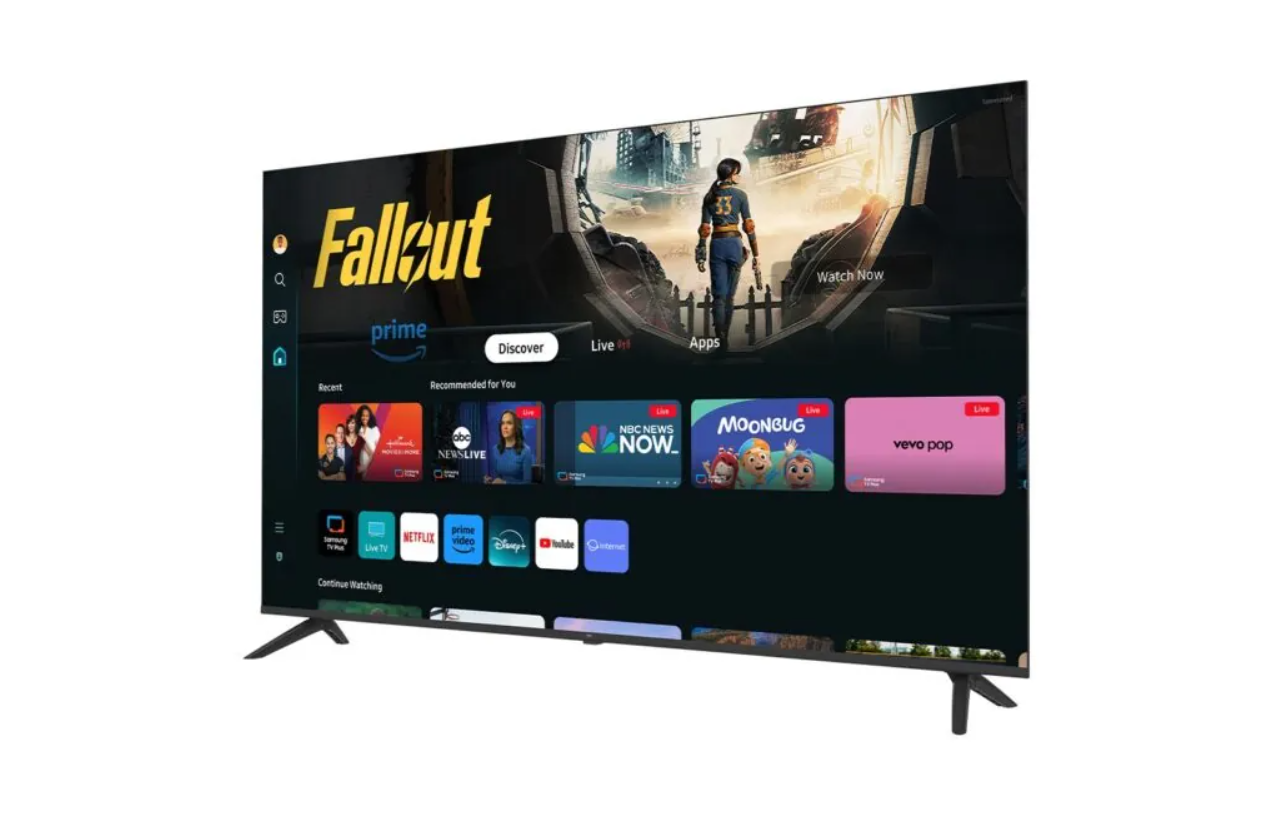
Smart TVs combine display technology with digital services. Users can access streaming platforms, applications, internet functions, and connected home features through integrated systems. For distributors and brand partners, these functions can influence product acceptance in different regions.
One example is the NPC-MiniLED 65M1, which combines QD-MiniLED display technology with smart TV functions. This model uses Samsung TizenOS TV and supports platforms such as Netflix, YouTube, and Prime Video. It features a 3840×2160 resolution, 198 backlight zones, and a refresh rate of 60Hz. The product also includes HDMI ARC, optical, and Bluetooth audio connection options.
The model is designed with features that support modern viewing needs. Its display system includes a brightness range with average brightness above 500 cd/m² and peak brightness above 800 cd/m². The contrast ratio is above 1000000:1, while the color system supports 1.07B colors through 8bit+FRC technology. These specifications show how different components work together to create a complete television solution.
Considering Supplier Capabilities for Business Projects
Choosing a suitable supplier involves more than checking product specifications. Companies often review manufacturing experience, customization support, quality control processes, and communication efficiency before starting cooperation.
A reliable TV manufacturer can provide support for different business models, including OEM and ODM projects. This support allows partners to adjust product designs, functions, packaging, and market features based on specific requirements.
For international buyers, production consistency and supply coordination are also important. A supplier with experience in export markets may better understand regional requirements, technical standards, and project timelines. These factors help businesses manage product development with clearer planning.
The Role of Customization in Display Manufacturing
Customization has become an important part of display product development for business customers. Different markets may require different screen sizes, software settings, appearance designs, or connection options. Flexible production support helps companies create products that match their sales channels and project needs.
OEM and ODM cooperation models allow partners to participate in product planning from different stages. They can discuss hardware configurations, software requirements, packaging solutions, and other details before production begins. This approach helps reduce communication gaps during the development process.
Manufacturing capability also includes testing and production management. Before products reach the market, inspection processes help review functions such as display performance, system operation, and connectivity. These steps are part of building stable product quality for long-term business cooperation.
Connecting Technology With Market Applications
Market applications also affect how display products are designed. Retail stores may focus on visual presentation and smart functions, while hospitality projects may pay attention to reliability and easy management. Commercial buyers usually consider product compatibility, service support, and future maintenance when evaluating display solutions.
Understanding these practical factors helps businesses connect technical features with real application scenarios.
Building Better Understanding of TV Manufacturing
Modern television production combines display technology, smart systems, and manufacturing processes. From panel selection and backlight design to software functions and quality testing, each part affects the final product experience.
As display demand continues to develop, businesses need more detailed knowledge before choosing products and suppliers. NPC provides smart TVs, monitors, and all-in-one PC solutions with OEM and ODM support for global partners. They focus on manufacturing experience, product development, and customized display solutions. Contact NPC today to explore display solutions that match your business requirements.