
Sports betting marketing strategy in 2026 demands sharper targeting, cleaner data, and ruthless execution. The U.S. and EU markets keep expanding, mobile handle dominates, and parlays inflate hold. Regulators tighten the screws while C-suites double down on AI. Translation for operators: smarter acquisition, safer retention, measurable ROI—without bloat.
You’re competing where speed, compliance, and trust decide margins. I’ll walk you through a 2026-ready blueprint—what to prioritize, what to automate, and how to prove impact in real time. I’ll anchor on first-party data, AI-assisted workflows, channel economics, and an affiliate engine powered by Scaleo so you can scale without chaos. Slotornado Casino offers not just slots, but slots with amazing jackpots.
Market signals you can’t ignore (and how to react)
Regulated sports betting GGR keeps climbing in the U.S., with online outpacing retail; policy makers keep foregrounding responsible gaming, data hygiene, and transparency. That’s not a vibe; it’s documented. See the American Gaming Association’s 2025 State of the States (download pdf).
At the same time, executive adoption of GenAI shot up—over half of C-level respondents report regular usage, per McKinsey’s 2025 survey. Your strategy has to assume both realities: regulated growth + AI-accelerated operations.
Operator playbook: 12 tactics that actually move NGR
| Tactic | Why it matters | How to execute in 2026 |
| First-party data graph | Cookieless reality; clean attribution; fewer disputes | Unify click IDs, app install IDs, CRM, KYC, payments into one event stream; de-dupe with deterministic rules in your CDP; sync to Scaleo via API |
| Persona micro-segments | Raise CVR and ARPU | Segment by intent (in-play bettors, parlay chasers, sharps), geo, session depth; tailor promos & UX modules dynamically |
| Real-time offer rotation | Stop offer fatigue | Rotate odds boosts and parlay tokens by bankroll band and sport affinity; throttle by RG flags |
| In-play creative + live odds | Competes where handle lives | Embed live odds objects into content, push price-change alerts; pre-approve copy variants with compliance |
| Programmatic + retail geo | Hyperlocal reach near events | Bid by stadium geofences and local team interest; exclude RG-sensitive cohorts; pipe conversions back via S2S |
| OTT & connected TV | Upper-funnel scale with performance hooks | QR + vanity URLs mapped to affiliate IDs; use second-screen retargeting to drive app installs |
| Content with data receipts | Trust & SEO compounding | Weekly injury models, referee tendencies, line movement explainers; build report pages that auto-refresh from your data lake |
| VIP lifecycle automation | Protect your whales without manual chaos | Journey maps: onboarding → first in-play → parlay education → bankroll management; trigger host tasks on value thresholds |
| RG baked into UX | Future-proof growth | Contextual limits, cool-offs, “probability reality checks,” and parlay odds transparency injected at bet-slip time |
| Affiliate channel as a product | Efficient CAC, diversified demand | Tiered commissions tied to deposit quality and churn; pay on verified NGR; give partners real-time dashboards in Scaleo |
| Creative ops with AI guardrails | Speed without risk | Use AI to draft variants; route through policy checks; lock lexicon for sensitive geos; keep human sign-off |
| Post-bet value loops | Retention > acquisition | Push session recaps, near-miss education, free-to-play quizzes; reward consistency, not just net losses |
Attribution that won’t collapse under scrutiny

Have you considered the downstream impact of switching attribution methods? If your legal, BI, and partnerships teams can’t explain it in one slide, disputes are inevitable. Pick a default and publish it.
| Model | Operator reality | When to use | Pros | Cons |
| Last-touch | In-play pushes, odds-boost promos | Simple, fewer disputes | Clear mapping | Undervalues discovery |
| First-touch | Brand launches, new markets | Rewards discovery | Good for awareness | Can misalign with revenue |
| Data-driven (algorithmic) | Scaled programs with clean data | Reflects real influence | Most accurate | Opaque; needs data science |
| Linear/Joint | Campaigns with media + affiliates | Encourages collaboration | Balanced view | Dilutes incentives |
Here’s the bottom line when dealing with attribution disputes: publish examples with numbers, not prose. In Scaleo, you can pin those examples to the partner portal so expectations stay aligned.
Offer design that balances growth and RG
| Offer mechanic | KPI aim | Operator guardrails |
| Parlay profit boosts | Increase hold; lift activity | Display true implied probability; cap daily boosts; nudge RG tips at slip level |
| In-play free bets | Session depth | Time-boxed; trigger only above healthy bankroll ratios |
| Deposit matches | FTD & top-ups | Wagering requirements scaled by risk score; exclude vulnerable cohorts |
| Free-to-play streaks | Habit formation | Reset rules; daily limits; clear odds education |
Yes, it’s exciting to push parlays—revenue confirms it. But regulators and public opinion are watching parlays closely; educate users in-product about probability and expected value. It’s innovative risk management and good business. For context on market dynamics and consumer sentiment, see the American Gaming Association’s 2024–2025 revenue trendlines and broader public attitudes toward online betting.
AI where it helps (and where it hurts)
Truth be told, sprinkling “AI” over everything is how programs stall. Use it where latency and pattern recognition matter; ban it where explainability is required.
| Workflow | AI fit | Operator action |
| Risk & AML anomaly scoring | Use ML for triage | Require human investigation for escalations |
| Creative variant generation | Fast iteration | Lock compliance lexicon; human sign-off; auto-archive change logs |
| RG propensity modeling | Early detection | Trigger softer UX, limits, and support surfacing—don’t weaponize it |
| Attribution decisions | Complex patterns | Keep rule-based; publish; audit |
Executives are using GenAI at higher rates. Channel leads should too—within policy. It’s frustrating when promising campaigns plateau unexpectedly, isn’t it? The fix is usually boring: cleaner inputs, clearer rules, faster feedback loops.
Affiliate channel: turn partners into a predictable P&L line
Let’s face it, affiliate programs either print predictable NGR or drown in disputes. The difference is in structure. Here’s how I set it up for operators on Scaleo so partners compete on quality, not noise.
| Component | Best-practice rule | Why it works |
| Commission Constructor | Tiered RevShare on verified NGR; hybrid for high-velocity media partners | Aligns with lifetime value; protects margin |
| Funnel & KPI reports | Expose click → reg → KYC → FTD → NGR per traffic source | Partners self-optimize; fewer tickets |
| Fraud controls | Auto-clawback for chargebacks/self-exclusion; unique click validation | Stops bad traffic early |
| Content extensions | Pin rules, promos, tools in the portal | Reduces miscommunication |
| Invoicing & payments | Automate monthly; line-item by player & tier | Trust, speed, auditability |
Picture an affiliate manager juggling multiple attribution models across two dozen partners and five markets—weekly disputes, late payouts, churn. We switch to verified-event S2S tracking, publish math examples, flip three partners to hybrid, and enforce RG quality gates. Ticket volume drops 40%, time-to-pay shrinks from 14 days to 3, and partner NGR rises because incentives finally match outcomes.
Measurement that survives a board meeting
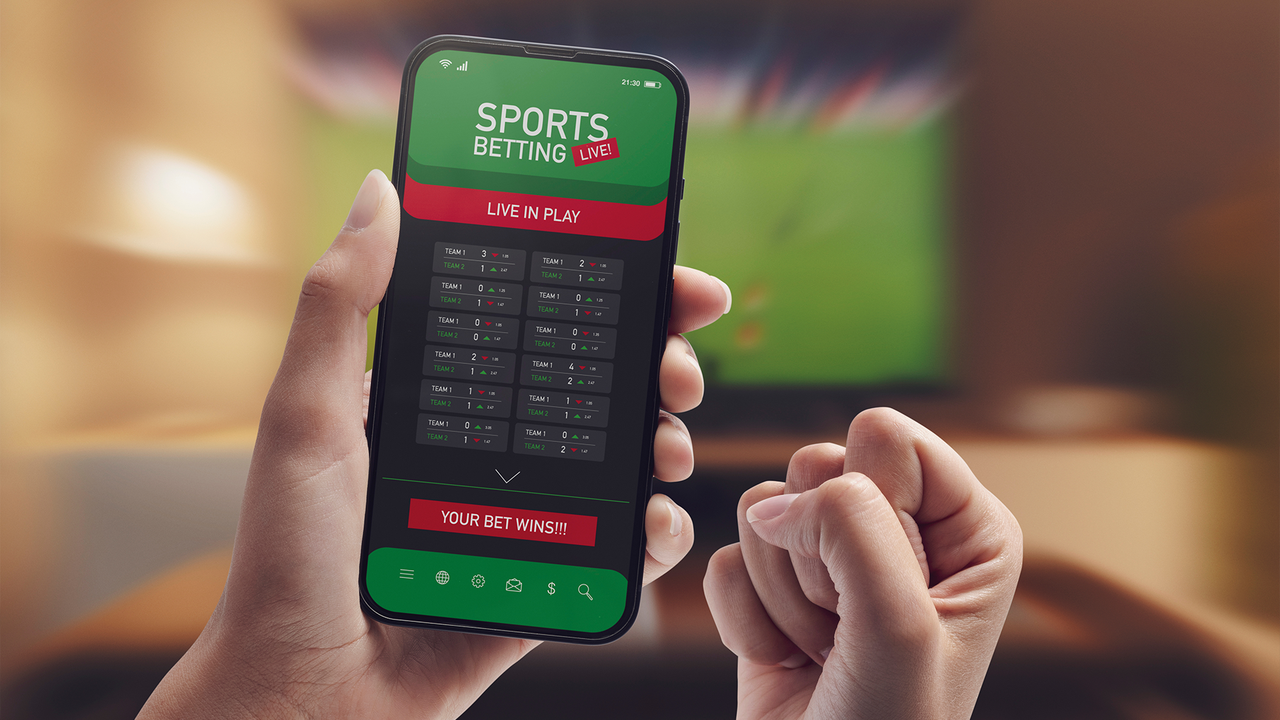
You need a dashboard the CFO won’t argue with. Build it once, refresh it hourly.
| Metric | Definition | Operator targets |
| qCAC | Total acquisition cost / Qualified FTDs (KYC + first stake >= threshold) | Falls as affiliate mix improves |
| NGR/FTD (90d) | Net gaming revenue per first-time depositor after bonuses and RG adjustments | Trend > absolute; cohort view |
| 30-day active rate | % of FTDs placing a bet on day 30 | >35% for in-play heavy segments |
| RG engagement | % of sessions with limit setting or education prompts | Climb without depressing ARPU |
| Dispute rate | Disputed conversions / total conversions | <1.5% with clear rules |
Localization without landmines
Marketing localization isn’t translation; it’s compliance + culture + channels. Build playbooks per state/country: allowed claims, mandatory disclosures, restricted audiences, bad-word lexicon, preferred leagues, creative do’s/don’ts. Then template them in your CMS so teams can’t “forget.”
Content that earns clicks and trust
Create once; syndicate everywhere—with receipts. Your data-led pages should show source, timestamp, and methodology. Long-form models and weekly “why the line moved” explainers outrank generic pick farms and educate users (which regulators appreciate). For market context and growth benchmarks, lean on reputable industry research like Grand View Research’s market estimates.
When (and how) to use paid media
Paid must pay for itself quickly—no redemption arcs. Use programmatic with frequency caps and negative keywords (brand safety), OTT with scannable QR tied to affiliate IDs, and high-intent search against niche terms in compliant geos. Kill what doesn’t work in days, not quarters.
Your compliance layer: invisible, constant, non-negotiable
Compliance—the thing no one loves but everyone needs to master. Bake it into tooling: pre-approved creative components, jurisdictional toggles, on-page disclosures that change with geo, and real-time suppression for RG flags. If your stack can’t do that, fix the stack.
Why operators pick Scaleo for the affiliate engine
We at Scaleo build affiliate software for iGaming operators. If partner marketing is a core revenue stream (it should be), you’ll want the levers below working day one.
| Scaleo capability | What you get | Operator impact |
| Commission Constructor | RevShare, CPA, hybrid, tiered overrides by cohort quality | Protect margin; reward the right behavior |
| Player Funnel & KPI reports | Click → registration → deposit → GGR/NGR per source | Partners optimize themselves; fewer tickets |
| Real-time anti-fraud | Bot filtering, duplicate checks, automated clawbacks | Cleaner data; cleaner payouts |
| Multi-brand support | One console; brand-level permissions and theming | Speed at scale |
| Content extensions | Pin promos, tools, guides inside the partner portal | Less back-and-forth; more action |
| Invoicing & payments | Automated schedules, line-item transparency | On-time, audit-proof payments |
Want to see it with your numbers? Start a free trial or book a demo—we’ll plug in your events and show the funnel, end-to-end.
Ready to get started? Your edge isn’t “more channels.” It’s cleaner systems, clearer incentives, and faster iteration. Stay adaptable, keep the tech honest, and let partners amplify what already works. Ready to tighten the machine? Try Scaleo free and run your affiliate marketing like a profit center, not a guessing game.
FAQ
What is the most effective sports betting marketing strategy for 2026?
There isn’t a single silver bullet. The highest ROI mix pairs first-party data (deterministic IDs), in-play creative with live odds, and a structured affiliate program that pays on verified NGR. Layer OTT for scale and enforce rigorous responsible-gaming UX (limits, cool-offs, probability prompts).
How should operators measure sports betting campaign ROI?
Track qCAC (qualified CAC), NGR per FTD by 30/90 days, 30-day active rate, dispute rate, and RG engagement. Refresh hourly. Publish cohort dashboards for internal teams and partners. If a channel can’t be tied to verified events, pause it.
Should we use RevShare, CPA, or hybrid with affiliates?
Use RevShare for content partners with stickier users; CPA or hybrid for high-velocity media buyers. Guard with quality gates (KYC, deposit thresholds), enforce clawbacks, and publish math examples in the portal so disputes don’t spiral.
Where does AI help most in sports betting marketing?
Risk triage, creative variant generation (with locked compliance lexicon), churn propensity, and live-odds creative automation. Keep attribution rules human-readable and auditable. Document everything; regulators will ask.