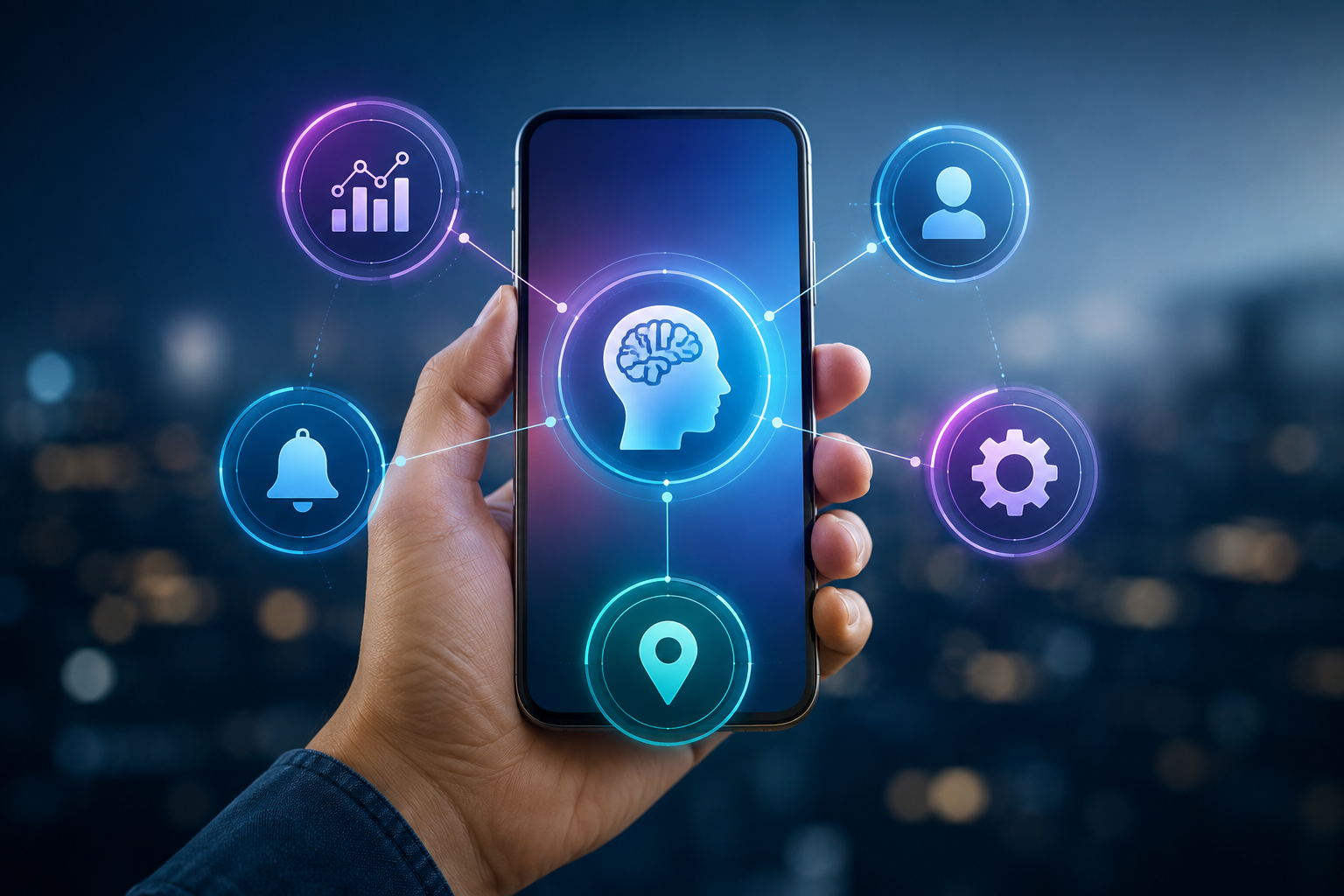
Consider how many choices you make in a single day. What is the best way for you to get to work? Does waiting for a sale make sense? Should you leave home earlier because of traffic? Your smartphone answers questions like these. It does this before you even think about them. Modern devices process a lot of information quickly. They change raw data into helpful suggestions. Your phone helps you choose faster. It compares holiday prices, finds restaurants, and checks the best Australian online casino. It’s always analyzing options for you.
Here are five smartphone technologies that are making this possible.
Artificial Intelligence That Understands Your Routine
These days, you don’t talk to artificial intelligence. Many of us use these apps and features on a daily basis.
After a while, your phone begins to notice patterns. It knows when you usually leave for work. It tracks which apps you open first in the morning and whom you contact most often. That information helps it offer useful suggestions before you ask.
For example, your phone might suggest using your favorite music app. It may remind you to leave early if traffic is bad. These simple tips save you time. You won’t need to search for information yourself.
Predictive Analytics That Look Ahead
Some apps do more than report what is happening right now—they estimate what could happen next.
Weather apps show the chance of rain during the day. They don’t use sunny or cloudy icons. Navigation apps check traffic now. They also use past data. This helps them guess arrival times better. Budgeting apps track your spending. They alert you if you might go over your monthly budget.
These tools don’t show facts. They look at different scenarios and help you pick the best option.
Notifications That Know What’s Important
A few years ago, every notification competed equally for your attention. Today, smartphones have become much better at separating the important from the unimportant.
Family messages come in fast. Promotional emails and shopping alerts stay quiet. You can check them when you’re ready. Calendar reminders get priority. So do delivery updates and security alerts. The software knows these need quick action.
It is a small change, but it will make you realize that everything becomes less distracting.
Personalized recommendations that reduce your options
There are times when choosing something is difficult due to having too many options.
That’s why so many apps now personalize what they show you. Streaming platforms recommend films based on your viewing history. Shopping apps highlight products like ones you’ve already searched for. Food delivery services track your favorite meals. They suggest restaurants you’ll like.
Instead of scrolling through many options, you get a shortlist. This list is more likely to match what you want.
Context-Aware Features That Work in the Background
One of the smartest smartphone technologies is also one of the least noticeable.
Modern devices use information. They track your location. They also check your movement, time of day, and connected devices. They make helpful changes based on this data. Your phone will enter into driving mode once it detects that you are in your car. It may suggest that you leave before the appointment because of the heavy traffic. It will also suggest nearby cafes if you are in an unknown place at lunchtime.
Fitness and health apps also rely on this approach. They track your activity levels and sleep patterns. They also look at other data. Then, they suggest healthier routines. If you’re inactive for too long, they remind you to take a break.
Many of these features work automatically. This makes them feel less like technology and more like a helpful assistant.
Smarter Technology, Simpler Decisions
No smartphone can make every decision for you, and that’s not the goal. These technologies save time. They make it easier to compare options and find information. They look at patterns. They estimate what might happen. They show the best choices first. This makes daily decisions easier.
Smartphones keep getting smarter. They will understand context more. This means they can give better guidance. The final choice is up to the user. But having the right info at the right time can speed up that choice.