
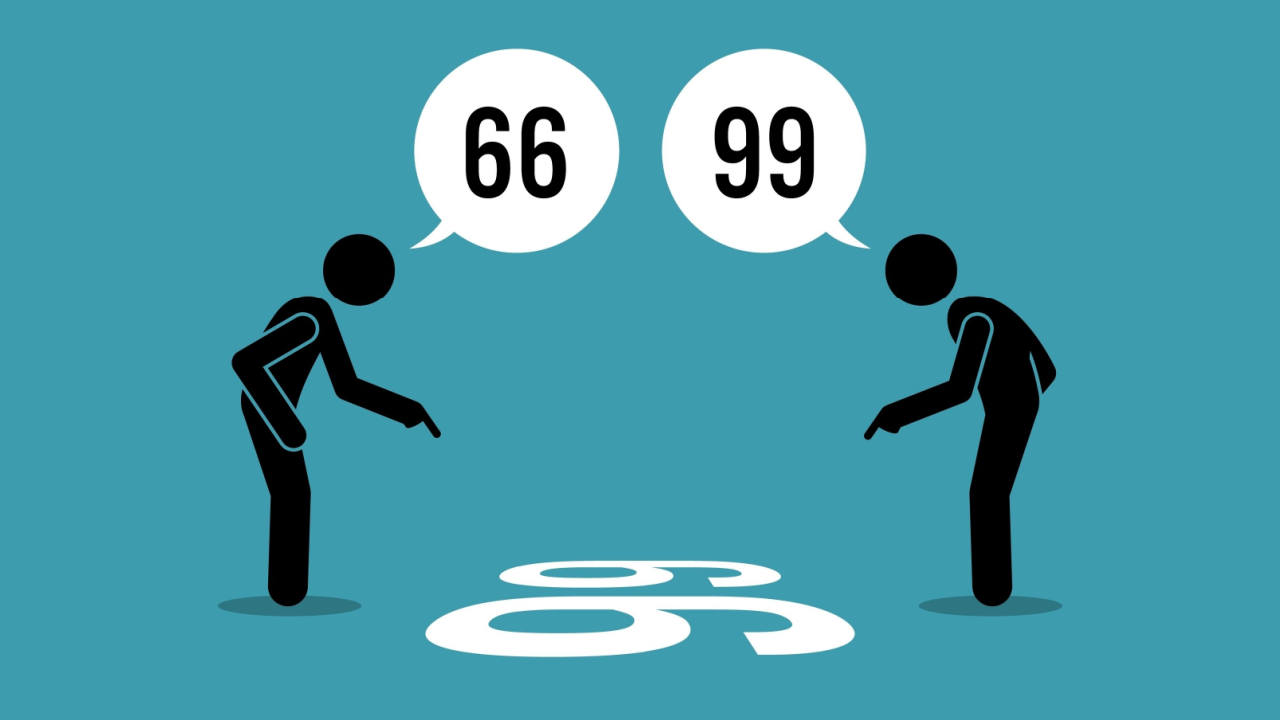
Boards make consequential decisions with imperfect information in compressed timeframes. The quality of those decisions depends heavily on the quality of the thinking that shapes them. And the quality of the thinking that shapes them depends, in no small part, on who is in the room and what they bring with them.
Groupthink Is a Structural Problem
When the people making decisions share similar backgrounds, similar career paths, and similar networks, they tend to share similar blind spots. The risks they fail to anticipate are often the ones that fall outside their collective experience. The opportunities they miss are frequently the ones they never had reason to recognise.
Cognitive diversity, the presence of genuinely different ways of framing problems and evaluating options, reduces this vulnerability. It does not guarantee better decisions. It increases the probability of them by expanding the range of considerations that get examined before a decision is made.
What Women at the Leadership Level Actually Bring
The contribution of women in senior roles is sometimes reduced to a soft skills narrative: better empathy, stronger communication, more collaborative instincts. While those qualities are valuable, the framing undersells what is actually happening.
Women who reach the boardroom have typically navigated more institutional friction to get there. That navigation develops particular strengths: the ability to build influence without relying on formal authority, the capacity to manage credibility across audiences with different expectations, and a sharper sensitivity to the dynamics that shape group decision-making. These are strategic advantages, not just interpersonal ones.
Development Shapes the Contribution
Representation alone does not unlock those advantages. A woman who enters a boardroom unprepared for its specific dynamics is more likely to be managed by the culture than to influence it. Preparation changes that.
A women in leadership program builds the skills that allow women to operate with authority at the senior level: how to hold a position under challenge, how to contribute to a conversation without being talked over, how to introduce an unconventional idea in a way that earns serious consideration rather than polite dismissal. These are not soft skills. They are strategic communication skills, and they are developed through practice, not osmosis.
The Boardroom That Thinks Better
There is a practical test for whether a board is genuinely benefiting from the diversity of its membership. It is not whether different voices are present. It is whether different voices are actually shaping outcomes.
Boards where all members, regardless of background, feel equipped to contribute fully tend to surface more options before committing to a path, challenge assumptions more rigorously, and catch potential failures earlier. The benefit is not philosophical. It shows up in strategy quality, risk management, and the organisation’s ability to adapt when conditions change.
Getting women into the boardroom is necessary. Equipping them to lead fully within it is what makes the investment worthwhile. The boardroom thinks differently when the voices in it do. But only when those voices are genuinely heard, and genuinely prepared to make themselves heard.