The Australian property market in 2026 is defined by a fierce competition between two dominant geographical narratives: the industrial and logistical transformation of Western Sydney and the lifestyle-driven infrastructure boom of South East Queensland. For a decade, investors and owner-occupiers alike have debated the merits of the “Emerald City” versus the “Sunshine State,” but the criteria for success have shifted. It is no longer enough to simply buy into a capital city; one must now identify the specific arterial corridors where government spending and private enterprise intersect to create long-term value. Navigating these two distinct markets requires a sophisticated understanding of local planning and economic cycles. For those looking to capitalize on these shifts, the strategic guidance of The Best Buyers Agents has become a vital resource in filtering through the noise to find high-performance assets in both the NSW and QLD markets.
Infrastructure-Led Growth: The Battle of the Megaprojects
The primary driver of property value in 2026 remains the unprecedented level of state and federal investment in “game-changing” infrastructure. In New South Wales, the focus remains firmly on the Western Sydney International Airport and the surrounding Aerotropolis. This is not merely a transport hub; it is the catalyst for a third city center that is decentralizing the Sydney basin. The growth corridor property NSW market has seen a surge in demand as logistics, aerospace, and high-tech manufacturing firms anchor themselves in the west. This creates a self-sustaining ecosystem where jobs are located closer to residential hubs, reducing the reliance on the traditional CBD commute. The infrastructure projects driving property prices in this region are multi-layered, involving significant upgrades to the M12 motorway and the Sydney Metro Western Plain, which are effectively shrinking the perceived distance between the rural fringe and the urban core.
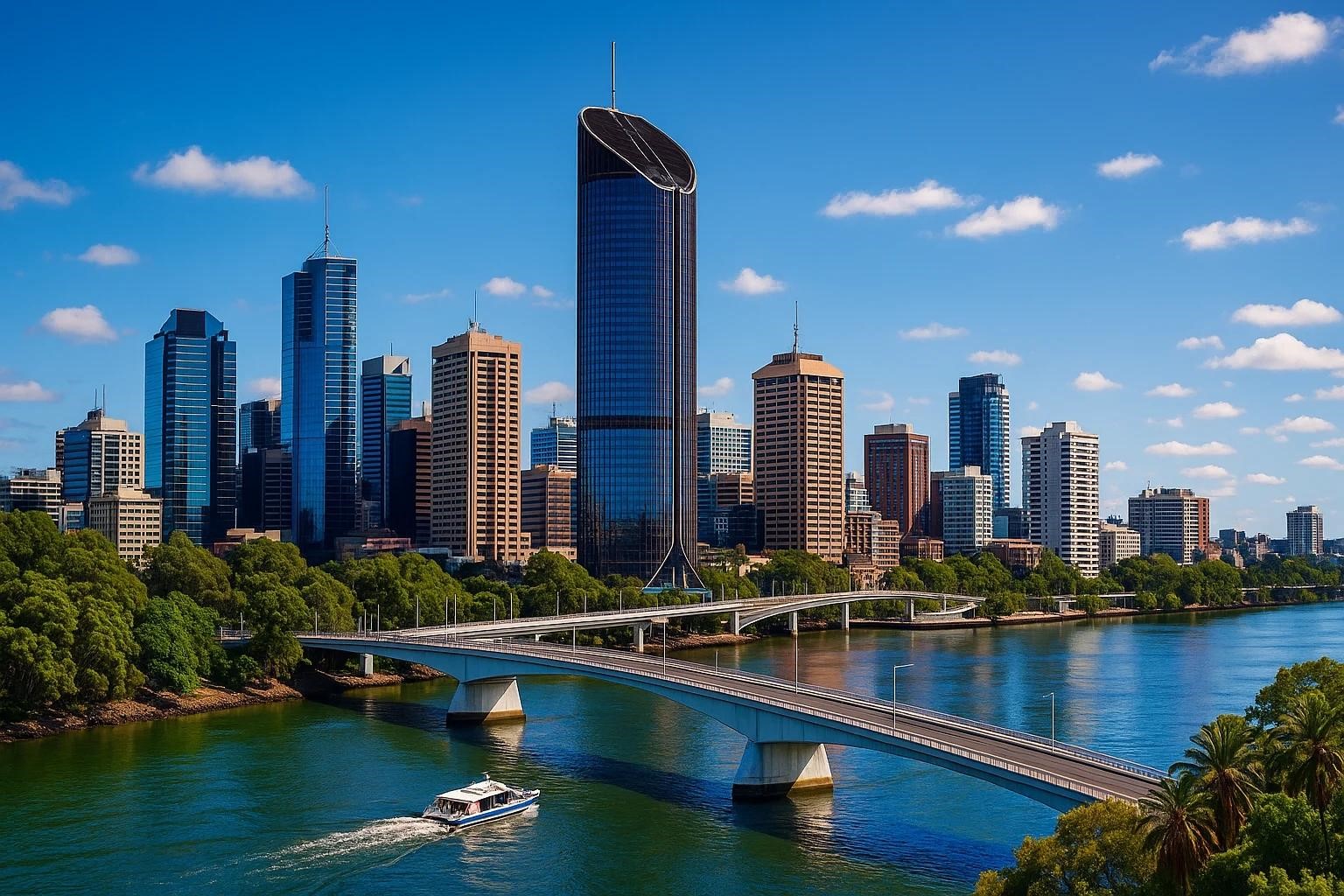
In contrast, Brisbane’s growth corridors are being propelled by the rapid approach of the 2032 Olympic Games. The preparation for this global event has triggered a massive acceleration of the “Cross River Rail” and significant enhancements to the “Gold Coast Light Rail” extensions. Unlike the industrial focus of Western Sydney, Brisbane’s infrastructure is largely centered on connectivity and lifestyle efficiency. The goal in Queensland is to create a seamless “20-minute city” experience across the Brisbane-Ipswich-Gold Coast triangle. This investment is not just creating temporary construction jobs but is fundamentally upgrading the livability of the entire region. Investors are finding that the highest capital growth is occurring in suburbs that sit directly on these new transit lines, where accessibility to world-class sporting facilities and revamped public spaces is a major draw for the modern tenant.
Tree-Change and Sea-Change 2.0: The Evolution of Regional Migration
The migration patterns of 2026 have evolved into what many analysts are calling “Sea-Change 2.0.” While the initial pandemic-era move to the country was often impulsive, the current trend is a more calculated search for the best regional towns to live in Australia that offer a hybrid of professional opportunity and natural beauty. In the Sydney context, this has led to an explosion of interest in the Blue Mountains and the Southern Highlands. Professionals are no longer satisfied with a generic suburban lifestyle; they are seeking “tree-change” locations that offer cooler climates and heritage aesthetics while remaining within a ninety-minute reach of the new Western Sydney employment hubs. This has turned previously quiet regional enclaves into high-demand corridors where the entry price is rising, yet remains competitive compared to the inner-west or northern beaches.
Queensland’s version of this migration is more heavily weighted toward the coast. The search for cheap houses near beach Australia has pushed first home buyers and retirees further north and south of the traditional Gold and Sunshine Coast hubs. Locations like the Fraser Coast and the Bundaberg region are seeing a renaissance as remote work infrastructure becomes standardized across the country. The “2.0” version of the sea-change is characterized by a demand for high-speed digital connectivity and sophisticated local amenities. People are moving to the coast not to “drop out,” but to “level up” their quality of life without sacrificing their career trajectory. This sustained demand is creating a floor for property prices in regional Queensland, ensuring that these areas remain resilient even during periods of broader market correction.
Economic Diversification and the New Employment Landscape
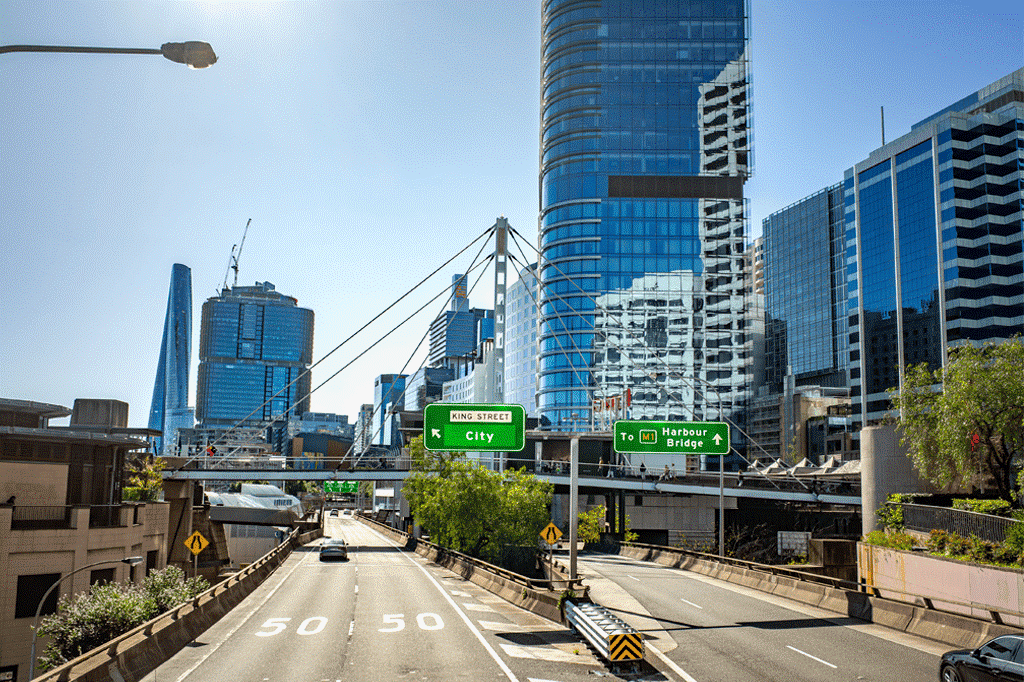
The long-term viability of Sydney’s West is anchored in its transition toward a high-value knowledge economy. The “Western City” is no longer the “back garden” of Sydney; it is becoming its engine room. The development of the CSIRO’s new headquarters and various university campuses within the Aerotropolis precinct ensures a steady stream of highly skilled residents. This demographic shift is critical for property investors to understand, as it influences the type of housing stock in demand. There is a growing need for medium-density living, such as townhouses and high-quality apartments, that cater to a professional workforce that values proximity to work and transit over large traditional backyards.
Brisbane’s economic narrative is slightly different, focusing on its emergence as a global “New World City.” The diversification of the Queensland economy into renewable energy technology, bio-manufacturing, and a sophisticated tourism sector is providing a broad base for property growth. The growth corridor property QLD market is benefiting from a “brain gain” as young professionals from the southern states relocate in search of a more favorable cost of living and a sunnier climate. This influx of human capital is driving the development of new lifestyle precincts that blend residential, retail, and office spaces. Suburbs that were once considered sleepy outer-fringe areas are being transformed into vibrant, self-contained communities that offer a compelling alternative to the dense urban centers of the south.
Navigating the Challenges of Supply and Affordability
Despite the massive infrastructure spending, both regions face significant challenges regarding housing supply. In Sydney’s West, the availability of “shovel-ready” land is often constrained by the pace of essential service rollouts like sewerage and electricity. This lag between infrastructure announcement and housing completion creates a “supply squeeze” that puts upward pressure on prices. For the savvy buyer, the opportunity lies in identifying the suburbs that are next in line for rezoning or service activation. Understanding the localized “Local Environmental Plans” (LEPs) is essential for predicting where the next wave of development will occur and securing a position before the general market realizes the potential.
In Brisbane, the challenge is similar but often complicated by the geographical constraints of flood plains and protected green zones. The growth corridors to the north and south of the city are expanding rapidly, but the most desirable land is that which offers elevated positions or proximity to established infrastructure. The “cheap houses” of yesterday are becoming harder to find, leading to a surge in the “build-to-rent” sector and more innovative housing solutions. Buyers in the Queensland market must be particularly diligent regarding environmental factors and zoning changes that may impact future developability. The goal is to find properties that offer “functional scarcity”—homes that are within reach of the new infrastructure projects but are situated in pockets where further massive supply is physically or legally restricted.
Conclusion: Strategic Positioning for the Late 2020s
The choice between Sydney’s West and Brisbane’s growth corridors ultimately depends on an investor’s or homebuyer’s specific risk profile and lifestyle requirements. Sydney offers the stability of a massive, diversified economy and the transformative power of a new international airport, making it a “blue-chip” choice for those seeking industrial-backed growth. Brisbane, on the other hand, offers a lifestyle-centric investment opportunity with the undeniable momentum of an Olympic city. Both regions represent the future of Australian urban living, where the traditional boundaries of “city” and “suburb” are being redrawn by technology and infrastructure.
Successfully entering these markets in 2026 requires more than just a passing interest in real estate trends; it demands a deep dive into the technicalities of urban planning and economic forecasting. The most successful participants in this property cycle are those who treat their search as a professional undertaking, often leveraging specialized networks to uncover value that isn’t visible on public listing sites. By understanding the interplay between infrastructure projects and migration patterns, one can build a property portfolio that is not only resilient but thrives in the face of change. For those ready to make their move, partnering with The Best Buyers Agents ensures that your search is backed by the highest level of market intelligence, providing the peace of mind that your investment is positioned in the exact path of Australia’s future growth.