About a decade ago, globalizing an ecommerce setup meant having warehousing facilities in many different countries, local companies, and an entire shipping budget. Independent brands simply could not afford this.
But today, all that takes is a Shopify storefront and the right contacts within the shipping industry. Within no time, your products can enter international markets in Singapore, São Paulo, or Dubai. All this without ever setting foot outside your own country.
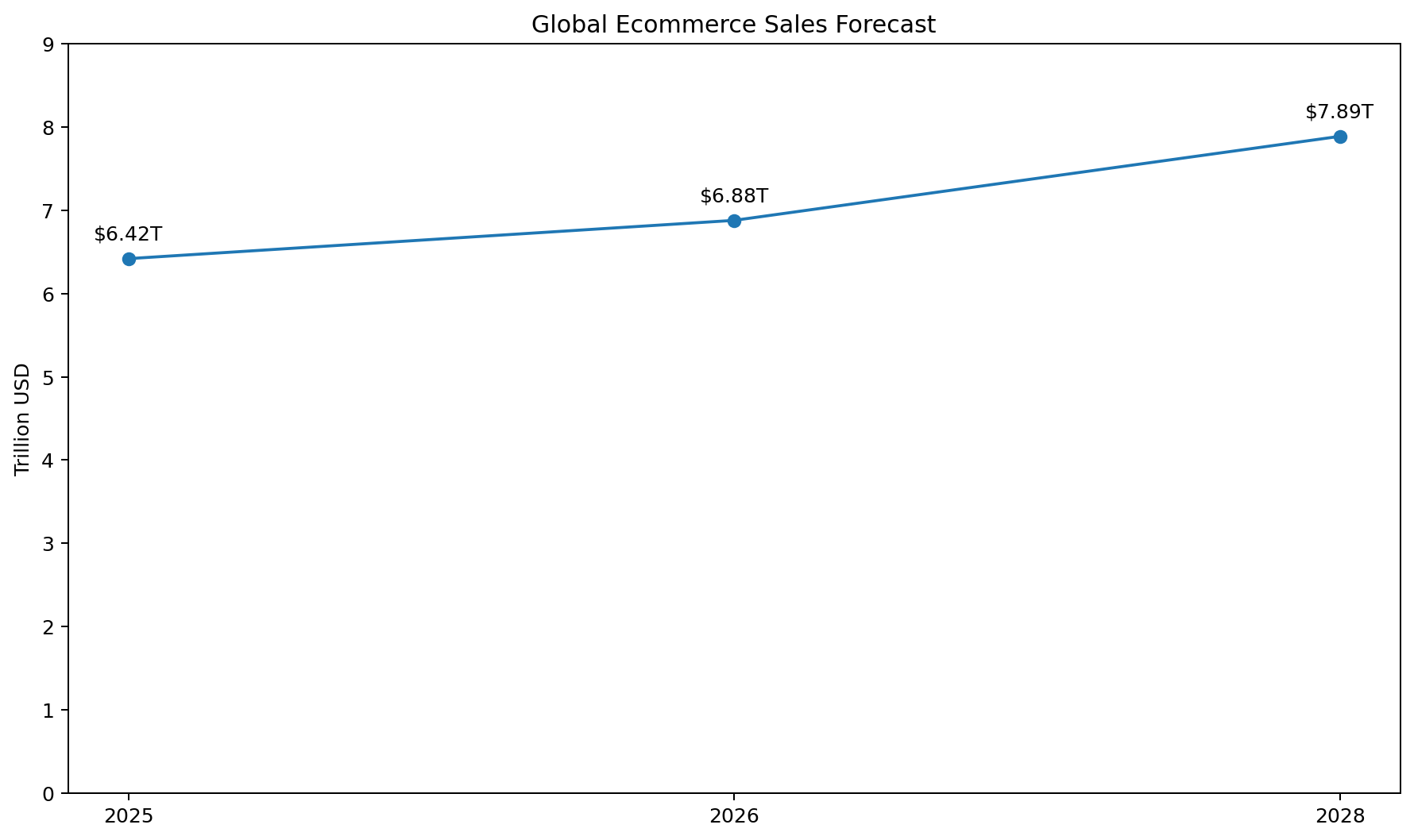
The global ecommerce is expected to reach $6.88 trillion in 2026, with a yearly growth rate of 7.2%.
Ecommerce is slowly becoming the core share taker from offline retail. Thus, the infrastructure for global ecommerce exists; ecommerce businesses aiming to stay ahead of the competition must know how to leverage it.
In this article, you will find practical insights on how to build a successful ecommerce brand in the international marketplace.
1. Start with Market Research, Not Guessing
The most common mistake brands make when expanding internationally is picking markets based on gut feel. For instance, they often choose “English-speaking countries” or “wherever we already get random orders.” Neither of these is a strategy.
Before committing to a new market, you need to answer a few honest questions. Is there demonstrated demand for your product category in that region? What does the competitive landscape look like? Are you walking into a crowded space or a genuine gap? What are the logistics realities of getting the product there reliably and affordably?
Southeast Asia, Latin America, and the Middle East are seeing some of the fastest ecommerce growth in the world right now. Reports share that India, Vietnam, Indonesia, and the Philippines are driving particularly strong momentum. But fast growth doesn’t automatically mean the right fit for your product.
Market research comes first, always.
- Use Google Trends to validate search demand by region.
- Look at whether local competitors exist and at what price point they are competing.
- Verify whether your product category is subject to any import restrictions or regulatory complexities in target markets.
This groundwork takes time but saves months of expensive trial and error.
2. Set Up Your Fulfillment Strategy First before You Expand
Here’s something that silently ruins many international aspirations for ecommerce businesses. The brands launch local websites, engage in campaigns to penetrate the market and make sales, only to find that their current fulfillment process capacity can no longer cope with the promises made to customers.
The prices and time of delivery of products shipped internationally would depend greatly on how those products are shipped. Shipping by air would allow quick deliveries, but it would be expensive. This option may not work economically for brands moving furniture or homeware. In such cases, sea freight has become a viable option.
International shipping of heavy and bulky goods via sea shipping works better because the prices for shipping containers are more predictable today, owing to the normalization that happened recently in 2025. They currently cost an average of $1,806 per 40-foot container.
Picking a logistics strategy involves much more than picking a shipping method. It’s all about forming the right strategy. Seaborne for mass replenishment at regional distribution centres, air or express courier for direct consumer orders requiring faster shipping.
Companies that achieve this balance will be able to maintain their profitability while fulfilling delivery requirements for their customers. But regardless of how you decide to ship, make sure it happens long before you have a high volume of international sales. After all, you don’t want to be caught unprepared and fail to deliver.
3. Localization Is Not Just Translation
A lot of brands think localization means translating their website into another language. True localization means adapting the entire purchase experience for a new market. This includes currency, payment methods, sizing standards, imagery, tone, and even product selection.
For instance, in Germany, customers expect invoice-based payment options. In Southeast Asia, cash-on-delivery is still dominant in many markets. In Japan, product descriptions need a different level of detail than in Australia.
Getting these details wrong doesn’t just reduce conversion; it signals that the brand is not really here for the market, it’s just wanting to place its products.
Country-specific domains (like .co.uk or .de) also matter for local SEO and for building trust. Customers in most markets are more comfortable buying from a domain that signals a local presence, even if your operations are centralized.
One practical starting point: localize for one market properly before attempting several markets at once. A well-localized experience in one country will outperform a half-done presence across five.
4. Understand Duties, Taxes, and Compliance, before Your Customers Do
Customs surprises destroy customer trust faster than almost anything else in ecommerce.
Imagine a shopper in the UK ordering from an Australian brand. They pay what they think is the full price, and then get a card through the door saying they owe £35 in import duties before their parcel will be released. That customer is unlikely to order again, and they will likely tell people about it.
The solution is displaying landed costs, including duties and taxes, at the point of checkout. Tools like Shopify Managed Markets and similar platforms can calculate this in real time by market. The customer knows the true total before they buy. No surprises.
Regulatory compliance is a separate layer. GDPR for European customers, consumer protection laws that vary by country, ingredient or materials regulations for certain product categories, and these aren’t optional.
The businesses that scale internationally without legal problems are the ones that do the compliance work before they launch in a market, not after something goes wrong.
5. Build Brands That Strengthen Customer Trust
The logistical, financial, and legal aspects of international ecommerce can easily be managed through proper planning. The trickier bit involves creating a brand that people within a particular international market will trust enough to purchase from.
Trust comes in various forms depending on the market that a business ventures into. Some markets prioritize word-of-mouth rather than advertisement when it comes to buying decisions; in such cases, user-created content, partnerships with influential individuals in those markets, and reviews by users who appear to belong to the targeted demographic carry more weight than anything else.
Other markets are guided by the presence of a clearly communicated returns policy and a responsive customer care service offered in the local language.
In all markets, the key principles remain: consistency, responsiveness, and delivery.
Reputation amplifies in an international context. A brand that delivers well, solves issues efficiently, and generates reviews will outpace other brands that invest similarly in acquisition but stumble on delivery.
Summing Up
Considering the market scenario we discussed earlier in this post, a vast majority of ecommerce brands anticipate an increase in their international orders by 2026. However, very few have made significant efforts toward cross-border logistics, inventory management, and regulatory compliance.
This execution gap presents an opportunity. Those ecommerce brands that prepare themselves through logistics optimization, localization, duty payment transparency, and creating trust will capitalize on what others merely wish for.