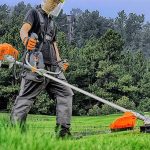

Maintaining a well-manicured lawn requires more than just occasional mowing. Precision trimming around edges, trees, and hard-to-reach areas is essential for achieving a professional finish. A crucial element for successful trimming is selecting the right lawn trimmer line. With numerous options available on the market, understanding the difference between various types of trimmer lines and their applications can ensure effective lawn care and prolong the lifespan of your equipment.
Understanding Lawn Trimmer Lines
Lawn trimmer lines are the cutting components used in string trimmers, also known as weed whackers or strimmers. They consist of a flexible nylon or other synthetic material which spins rapidly to cut grass, weeds, and light vegetation. Unlike blades, trimmer lines are safer for trimming near objects and fences, reducing the risk of damage.
The type of trimmer line chosen affects cutting efficiency, durability, and the overall appearance of the lawn. Different lines vary in thickness, shape, and material composition, each offering distinct advantages depending on landscaping needs.
Trimmer Line Thickness
The thickness of the trimmer line, generally ranging from 1.5 mm to over 3 mm, influences cutting power and strength. Thinner lines provide precision and are ideal for trimming fine grass and small weeds, while thicker lines offer durability for tougher vegetation and denser brush.
For regular residential lawn maintenance, a line diameter between 1.6 mm and 2.4 mm is most common, balancing versatility and endurance. Heavier-duty trimming and clearing require thicker lines, though these may not be compatible with all string trimmer models.
Trimmer Line Shape
The shape of the trimmer line impacts cutting efficiency and noise levels. The most common shapes are round, square, and twisted or serrated designs.
- Round lines are the most widely used due to their durability and smooth operation. They are quieter but may cut less aggressively.
- Square or polygonal lines offer sharper edges for a cleaner, more precise cut but tend to wear faster.
- Twisted or serrated lines provide enhanced cutting performance, especially with tougher weeds and brush, though they can produce more noise.
Material Composition
Most trimmer lines are made from nylon or a blend of synthetic materials, which provide flexibility and high tensile strength. Some premium lines incorporate additives such as aluminium oxide to improve wear resistance and extend usage life, particularly for rough terrains.
Matching Trimmer Lines to Landscaping Needs
Choosing the best trimmer line depends on the specific requirements of the lawn and garden. For those managing delicate flower beds or finely manicured lawns, prioritising precision and minimal damage to surroundings is essential.
Conversely, larger properties with overgrown vegetation require durable and heavy-duty trimmer lines capable of handling tougher cutting tasks. Using an inappropriate line can lead to frequent breakage, equipment strain, and suboptimal results.
Residential Lawns
For typical suburban lawns, round or square lines with a medium thickness are usually sufficient. These offer a good balance between cutting power and line longevity. A 1.6 mm or 2.0 mm line is often ideal for trimming grass and mild weed growth, ensuring the trimming job is efficient without rapid wear.
Commercial and Heavy-Duty Landscaping
Professional landscapers and those maintaining large or unmanaged land areas may require thicker and possibly serrated trimmer lines. Lines exceeding 2.4 mm thickness offer greater durability and can handle thick brush and dense weeds without frequent replacement.
It is important to ensure that the trimmer itself supports the use of heavy-duty lines, as excessive line thickness on smaller motors can cause overloading and damage.
Compatibility and Safety Considerations
Before selecting a trimmer line, it is vital to consult the string trimmer’s manufacturer specifications to ensure compatibility. Using an incompatible line may lead to mechanical problems or poor performance.
Safety is equally important when handling and replacing trimmer lines. Operators should wear protective gear such as goggles and gloves, as the spinning line can dislodge debris and cause injury.
Line Replacement and Maintenance
Regular inspection and replacement of the trimmer line maintain optimal cutting performance. When trimming results decline or the line becomes frayed, it is time to replace it. Correctly spooling the line onto the trimmer head prevents jamming and uneven wear.
Where to Source Quality Lawn Trimmer Line
Access to reliable suppliers is essential for acquiring appropriate trimmer lines. Sourcing high-quality products guarantees consistent results and aids efficient lawn care.
The lawn trimmer line collection from reputable Australian suppliers offers a wide range of sizes and types designed for various landscaping purposes. This assortment allows homeowners and professionals alike to select lines tailored to their particular needs.
Environmental Considerations
Some trimmer lines are designed to be more environmentally friendly by using biodegradable materials. While these may have shorter lifespans, they represent a sustainable choice for conscientious gardeners.
Additionally, using the correct line thickness minimises wastage and prevents unnecessary overuse, contributing to eco-friendly lawn maintenance practices.
Summary
Selecting the best lawn trimmer line requires evaluating factors such as line thickness, shape, material, and compatibility with the trimmer. Understanding the landscaping needs and operational environment guides the choice towards the most effective and durable line type.
Adopting appropriate maintenance routines and sourcing quality products from trusted suppliers such as those offering comprehensive lawn trimmer line ranges ensures optimal lawn care results. This leads to a well-maintained garden with a professional finish, edging closer to the ideal green space.
Recommendations for Users
Users are encouraged to identify their typical trimming scenarios and consult their equipment manuals before purchasing trimmer line. Investing time in selecting the right line and following safe operational practices guarantees improved trimming effectiveness and equipment longevity.