Introduction
Hair has long been an important part of personal style and self-expression. Throughout history, people have experimented with different hairstyles, colors, and accessories to enhance their appearance and reflect changing fashion trends. Among the many beauty innovations available today, tape-in hair extensions have become one of the most popular choices for individuals seeking additional length, volume, or color without making permanent changes to their natural hair.
Blonde tape-in hair extensions are especially popular because blonde shades remain timeless in the beauty industry. They provide a natural-looking solution for people who want fuller hairstyles while maintaining a lightweight and comfortable feel. Whether used for everyday styling, special occasions, or professional photo shoots, blonde tape-in extensions continue to be appreciated for their versatility and realistic appearance.
Understanding how these extensions are designed, applied, and maintained offers valuable insight into one of today’s most widely used hair enhancement methods.
The Evolution of Hair Extensions
Hair extensions have been used for centuries across different cultures. Early forms often relied on handcrafted materials and were primarily reserved for ceremonial or decorative purposes.
Modern technology has significantly improved extension quality by introducing:
- Better attachment methods
- Higher-quality hair fibers
- Improved color matching
- Lightweight materials
- More natural movement
These innovations have made hair extensions accessible to a wider range of individuals while improving comfort and appearance.
What Are Tape-In Hair Extensions?
Tape-in hair extensions consist of thin sections of hair attached to lightweight adhesive strips. During application, small sections of natural hair are placed between two extension strips, creating a secure and discreet attachment.
This method has become popular because it offers:
- Natural appearance
- Lightweight feel
- Even weight distribution
- Comfortable wear
- Smooth blending
When professionally applied, tape-in extensions are often difficult to distinguish from natural hair.
Why Blonde Shades Remain Popular
Blonde hair has remained a fashionable choice for many years.
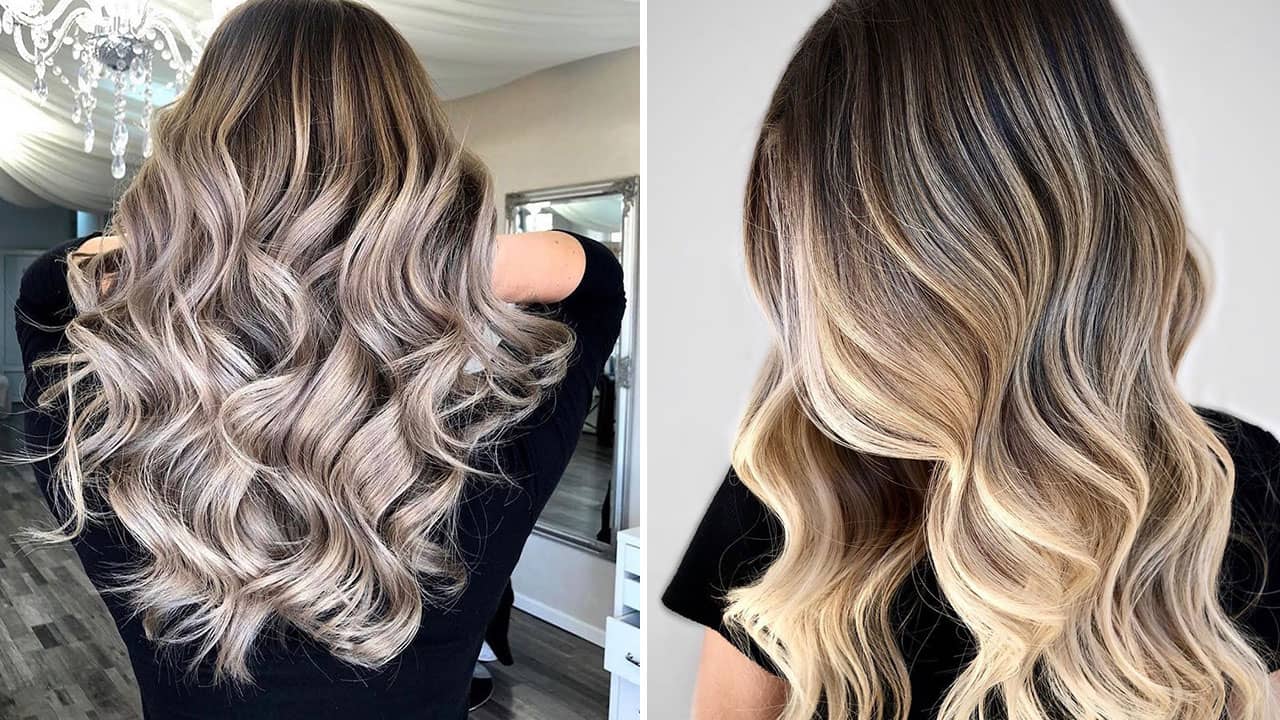
Different blonde shades allow individuals to achieve a variety of looks, including:
- Platinum blonde
- Ash blonde
- Honey blonde
- Golden blonde
- Beige blonde
- Champagne blonde
The wide variety of available shades allows users to match their natural hair color or create subtle highlights.
Natural Appearance
One reason tape-in extensions are widely appreciated is their ability to blend naturally with existing hair.
Factors contributing to a realistic appearance include:
- Thin adhesive strips
- Flexible placement
- Lightweight construction
- Smooth texture
- Color matching
Professional color selection helps create a seamless transition between natural hair and the extensions.
Comfort During Daily Wear
Comfort is an important consideration for anyone using hair extensions.
Many users appreciate tape-in extensions because they are:
- Lightweight
- Flexible
- Easy to style
- Less bulky than some alternative methods
- Comfortable for everyday activities
Even weight distribution helps reduce unnecessary strain on the natural hair.
Styling Possibilities
Blonde tape-in hair extensions offer many styling options.
Popular hairstyles include:
- Straight styles
- Soft curls
- Beach waves
- Ponytails
- Half-up hairstyles
- Braided styles
The versatility of tape-in extensions allows individuals to create different looks for various occasions.
Color Blending Techniques
Professional stylists often combine multiple blonde shades to create more natural-looking results.
Blending techniques may include:
- Highlight effects
- Lowlight combinations
- Balayage-inspired transitions
- Multi-tone color placement
Using several complementary shades often creates additional depth and dimension.
Hair Quality Considerations
Hair extensions are available in different materials.
Common options include:
- Human hair
- Synthetic fibers
- Heat-resistant synthetic blends
Human hair extensions are often preferred because they typically provide greater flexibility for styling and a more natural appearance.
Professional Application
Many individuals choose to have tape-in extensions applied by experienced hair professionals.
Professional application can help ensure:
- Proper placement
- Balanced weight distribution
- Comfortable installation
- Natural blending
- Longer-lasting results
Experienced stylists also help match colors accurately for a more seamless finish.
Caring for Blonde Tape-In Extensions
Proper care contributes to maintaining the appearance of both the extensions and natural hair.
Recommended practices include:
- Gentle brushing
- Mild cleansing products
- Careful drying
- Avoiding excessive pulling
- Following professional maintenance recommendations
Consistent care helps preserve the overall appearance and longevity of the extensions.
Individuals interested in learning more about different extension styles, blonde shade variations, and professional hair care techniques can explore additional educational resources here to better understand how modern hair extension systems are designed and maintained.
The Role of Hair Extensions in Fashion
Hair extensions have become common in many areas of the beauty industry.
They are frequently used for:
- Fashion photography
- Television productions
- Weddings
- Special events
- Beauty competitions
- Everyday personal styling
Their versatility allows individuals to experiment with different hairstyles while maintaining flexibility.
Choosing Appropriate Shades
Selecting the right blonde shade depends on several factors.
These may include:
- Natural hair color
- Skin tone
- Personal style preferences
- Desired final appearance
- Existing highlights
Professional consultation often helps achieve the most natural-looking result.
Confidence Through Personal Style
For many individuals, hairstyle plays an important role in personal confidence.
Changing hairstyle length, volume, or color may allow people to express their personality while experimenting with different fashion trends.
Hair enhancements provide creative styling opportunities without requiring permanent changes.
Frequently Asked Questions (FAQs)
What are blonde tape-in hair extensions?
Blonde tape-in hair extensions are lightweight hair sections attached using thin adhesive strips that blend with natural hair to increase length, volume, or color.
Why are tape-in extensions popular?
They are popular because they offer a natural appearance, comfortable wear, lightweight construction, and versatile styling possibilities.
Are different blonde shades available?
Yes. Blonde tape-in extensions are available in numerous shades, including platinum, ash, honey, golden, champagne, and beige blonde.
Can tape-in extensions be styled?
Many tape-in extensions, particularly those made from human hair, can be styled using various techniques depending on the manufacturer’s recommendations.
Why is professional application recommended?
Professional application helps achieve proper placement, balanced weight distribution, accurate color matching, and a more natural overall appearance.
How can the appearance of tape-in extensions be maintained?
Gentle brushing, appropriate hair care products, regular maintenance, and following professional recommendations help maintain their appearance.
Conclusion
Blonde tape-in hair extensions continue to be a popular option for individuals seeking elegant, versatile, and natural-looking hairstyles. Their lightweight design, realistic appearance, wide range of blonde shades, and flexible styling possibilities have made them a preferred choice in both everyday beauty routines and professional fashion settings. As modern hair extension technology continues to improve, these extensions remain an effective way to enhance personal style while offering creative opportunities for self-expression. Understanding their design, application, and care helps individuals appreciate the craftsmanship and innovation behind one of today’s most widely used hair enhancement techniques.