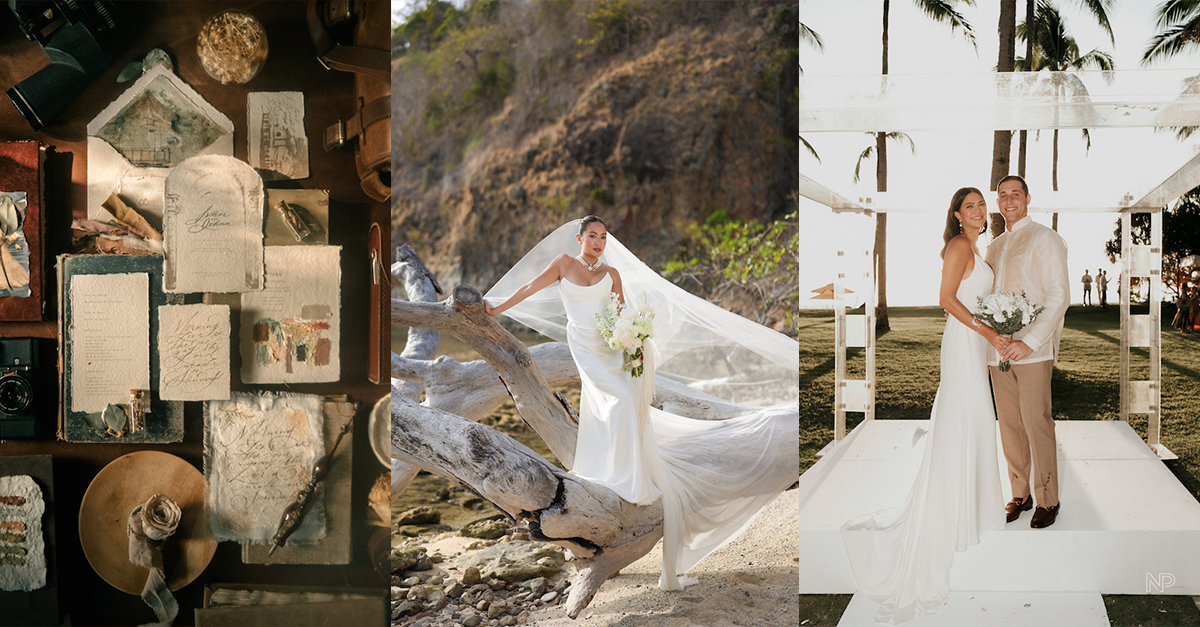
Wedding photography style sounds like an aesthetic preference, but it also shapes how your day feels in real time. Some approaches need more structure and time for portraits. Others prioritize capturing what unfolds without interruption. The best fit is usually the one that matches your energy, your venue, and how you want to remember the day.
When couples compare portfolios, it helps to look at a consistent body of work rather than a single highlight reel. Many people start by reviewing options from a wedding photographer sydney and then translating what they like into a few clear priorities for their own timeline.
Start with how you want the day to flow
Before naming a style, consider the practical experience you want:
- Do you want to spend time on posed portraits, or keep formal photos minimal?
- Do you want your photographer directing you often, or blending into the background?
- Are you comfortable being guided, or do you tense up when asked to “perform” for the camera?
A highly posed approach can feel calm and efficient if you like direction and clear blocks of time. A more documentary approach can feel natural if you prefer to stay present and let moments happen. Neither is better, but they demand different conditions.
Understand the main wedding photography styles
Most photographers blend approaches, but these broad categories help you describe what you’re drawn to.
Documentary or photojournalistic
This style focuses on candid moments, real interactions, and the rhythm of the day. It usually involves minimal posing and more observation. If you love emotion, movement, and small unscripted details, this may suit you well.
Watch for: consistency in tough lighting (dark receptions, mixed indoor light) and how the photographer frames busy scenes without chaos.
Editorial
Editorial work often looks like a magazine spread: clean compositions, intentional posing, and attention to styling. It tends to favor strong direction and can require more time for portraits.
Watch for: whether the images still feel like you, not like models in a styled shoot.
Fine art
Fine art wedding photography often prioritizes light, mood, and composition. It can lean airy and soft, dramatic and shadowy, or film-inspired, depending on the artist. It may include a slower, more deliberate pace for portraits, especially around golden hour.
Watch for: whether colors and skin tones look natural across different venues and times of day.
Classic or traditional
This style emphasizes timeless portraits, clear documentation of key events, and a balanced mix of posed and candid photos. If you want clean family formals and straightforward coverage without heavy stylization, it’s a strong option.
Watch for: how the photographer handles modern moments too, like dance floors and casual interactions.
Match the style to your venue and light
Your venue influences what is realistically achievable.
- Dark venues and night receptions: A documentary approach can still work beautifully, but it depends on skill with flash and mixed light. Editorial or fine art portraits may require dedicated lighting setups and time.
- Outdoor gardens and beaches: Light shifts quickly, and wind becomes a factor. Fine art and editorial portraits often shine here, but you still want candid coverage that holds up in harsh midday sun.
- Churches or heritage venues: Restrictions on movement or flash can impact the look. Classic coverage tends to adapt well, while more cinematic styles require a photographer who is comfortable working within limits.
A useful test is to find full galleries from venues similar to yours and compare ceremony, reception, and portraits separately. Many portfolios look great at golden hour. The harder proof is indoor ceremonies, speeches, and dance floors.
Consider how much direction you want during portraits
Some couples want their photographer to take charge, tell them where to stand, and guide expressions. Others want a few gentle prompts and then to forget the camera exists.
If you want a more editorial result, you will likely need:
- a portrait block with breathing room
- fewer location changes
- comfort with directed posing and adjustments
If you want documentary-heavy coverage, you will likely benefit from:
- fewer interruptions and long stretches of uninterrupted time
- a relaxed schedule that avoids rushing between locations
- a focus on guest interaction and real moments
This is also where engagement sessions can help, because they show you what it feels like to be guided. Comfort on camera is not a personality trait. It’s usually a familiarity thing.
Build a simple “style brief” without over-controlling the day
Instead of a huge shot list, aim for a short brief you can articulate in a few sentences:
- Three adjectives you want your photos to feel like (for example: warm, natural, lively).
- A short list of priorities (for example: candid guest interactions, ceremony emotion, clean family formals, golden-hour portraits).
- A short list of dislikes (for example: heavy filters, overly orange skin tones, extreme blur, stiff posing).
This helps you communicate clearly without scripting moments that should stay real. It also makes it easier to compare photographers who use similar words but deliver very different results.
Ask for evidence: full galleries and consistency
When comparing options, focus on consistency over standout images. The right style is the one that looks good in the parts of the day you can’t control:
- indoor ceremonies
- speeches in dim rooms
- mixed lighting at receptions
- fast movement on the dance floor
- candid moments with busy backgrounds
If the portfolio only shows portraits and detail shots, you may not be seeing enough of the hardest situations. A style fit is as much about reliability as it is about aesthetic.
Make the final choice based on your real priorities
If you are stuck between two styles, decide what matters more:
- If you care most about emotion and story, lean documentary with a touch of classic portrait structure.
- If you care most about polished portraits, lean editorial or fine art and protect time for it.
- If you want timeless coverage with balance, lean classic with a photographer whose candids still feel alive.
The goal is not to pick a label. It’s to choose an approach that works with your schedule, your venue, and how you want to feel on the day.