A Fast Moment Can Change Everything
A motorbike crash occurs in a matter of seconds. One abrupt bend. One driver was preoccupied. Then mayhem. All year long, the highways of Washington, DC, are crowded. Vehicles maneuver through traffic. Delivery trucks abruptly stop. Drivers of ridesharing services swerve between lanes. That combination poses a serious risk to motorcycle riders. Confusion usually strikes immediately after a crash. Your heart is pounding. The adrenaline starts to flow. You might even believe that everything is alright. Later on, the anguish begins to seep in. The actions you take following a motorbike accident are crucial because of this. Getting assistance from a DC Personal Injury Lawyer becomes a part of the healing process for many injured riders. While you concentrate on getting better, legal assistance can safeguard your claim.
First Things First — Get Safe
If possible, move out of traffic. Safety comes before everything else. Motorcycles leave riders exposed. A second collision can happen quickly on crowded DC streets. Turn on hazard lights if you can. Stay calm. Easier said than done, honestly, but it helps. Then call 911. Police officers create an accident report that may later support your case. Medical responders also document injuries right away. Those records matter more than people realize.
Even Small Injuries Can Turn Serious
Here’s the strange part about motorcycle crashes. Some injuries hide at first. Adrenaline masks pain. A sore shoulder may later become a torn ligament. A headache could point to a concussion. Get medical care immediately, even if you think you escaped major harm. Doctors often check for:
- Head trauma
- Internal bleeding
- Spinal injuries
- Broken bones
- Road rash
- Neck and back strain
Medical records also connect your injuries directly to the crash. That link becomes important during insurance claims.
Gather Evidence While You Can
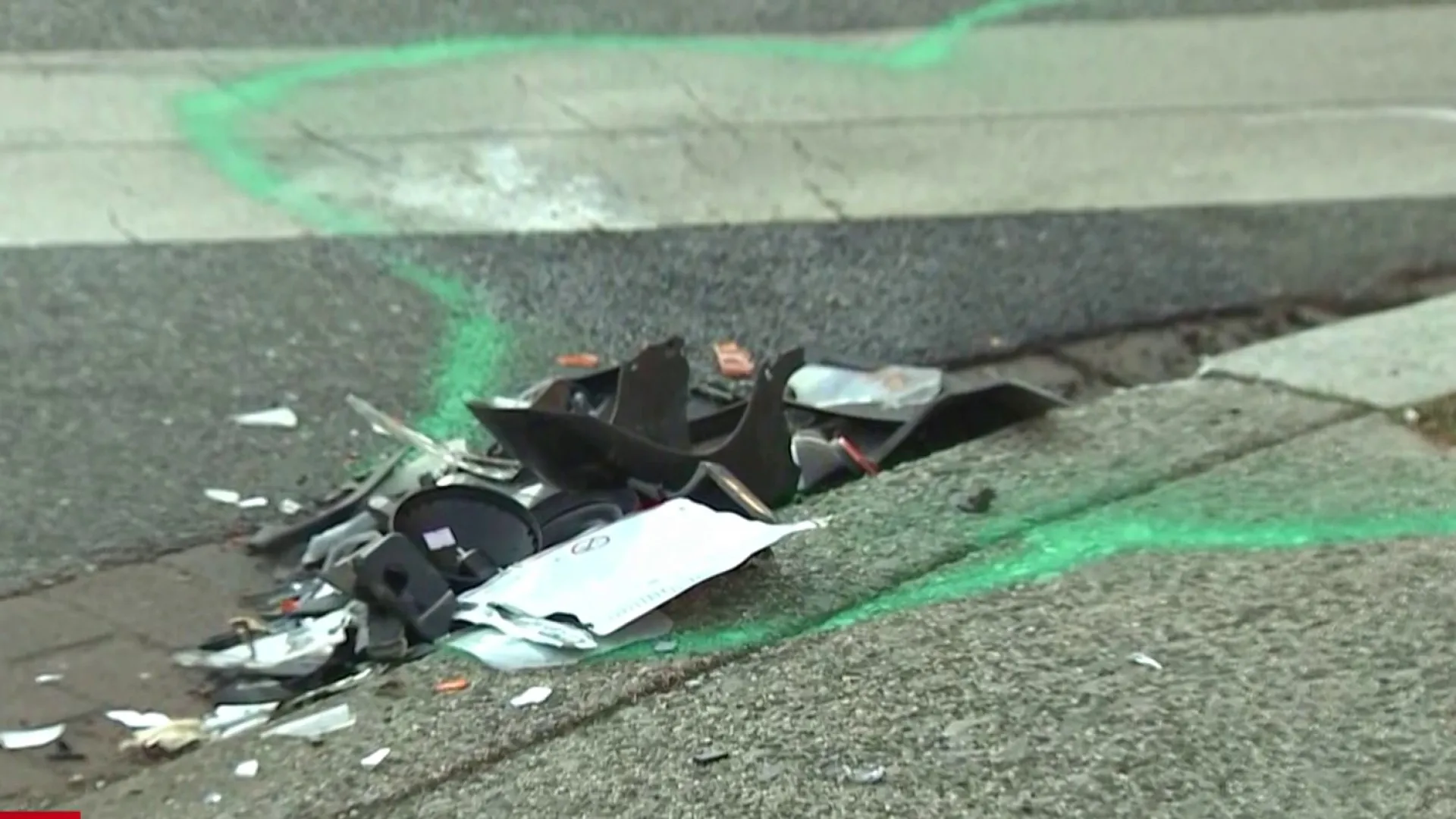
Crash scenes change fast. Cars get moved. Debris disappears. Witnesses leave. Rain washes away skid marks. DC traffic doesn’t wait long. If you’re able, take photos of:
- Vehicle damage
- The motorcycle
- Road conditions
- Traffic signs
- Visible injuries
- Nearby intersections
Try getting witness names and phone numbers too. You know what? Small details sometimes become the strongest proof later.
Watch What You Say
After a crash, emotions run high. People apologize automatically, even when the accident was not their fault. Be careful with your words. Avoid saying things like:
- “I’m okay.”
- “I didn’t see them.”
- “Maybe it was my fault.”
Insurance companies may later twist simple comments against you. Stick to basic facts when speaking with police or insurers.
Insurance Companies Move Fast
Insurance adjusters often call quickly after a motorcycle crash. Sometimes within hours. They may sound helpful. Some truly seem kind. Still, their job centers on saving the company money. Early settlement offers usually come low. Very low. That money may not cover:
- Emergency room bills
- Surgery costs
- Missed work
- Physical therapy
- Future treatment
Once you accept a settlement, reopening the case becomes difficult.
Why Motorcycle Claims Get Complicated
Motorcycle riders often face unfair assumptions. Some insurers picture riders as reckless before reviewing evidence. That stereotype creates problems during claims. Washington, DC also follows contributory negligence rules. This rule is strict. If a rider gets blamed even slightly for the crash, compensation may become harder to recover. That’s one reason strong evidence matters from the start.
A Lawyer Can Handle the Heavy Lifting
After a serious crash, daily life changes fast. Medical visits pile up. Work hours disappear. Bills arrive nonstop. Meanwhile, insurance companies keep calling. A lawyer helps manage those pressures. Price Benowitz Accident Injury Lawyers, LLP represents injured people across Washington, DC. Their legal team handles many motor vehicle accident claims, including motorcycle, truck, bicycle, bus, pedestrian, and car accidents. They also help clients facing severe injuries like burns and spinal cord trauma. An attorney may help by:
- Gathering crash evidence
- Reviewing police reports
- Speaking with insurers
- Calculating damages
- Negotiating settlements
- Filing lawsuits if needed
Think of it like having someone steady the bike while you regain balance.
Don’t Ignore Emotional Stress
People often focus only on physical injuries. Emotional strain matters too. After a motorcycle crash, some riders struggle with:
- Anxiety
- Sleep problems
- Fear of riding again
- Mood changes
- Stress from lost income
That emotional toll affects daily life. It can also become part of a legal claim. Honestly, recovery rarely moves in a straight line.
Timing Matters More Than You Think
Evidence fades quickly after accidents. Traffic camera footage may get erased. Witnesses forget details. Physical evidence disappears. That’s why waiting too long can hurt your claim. Speaking with a lawyer early often helps protect key evidence before it vanishes.
What Compensation May Cover
A motorcycle accident claim can seek payment for several losses. These may include:
- Medical bills
- Future care costs
- Lost wages
- Reduced earning ability
- Motorcycle repairs
- Pain and suffering
Catastrophic injuries may create lifelong expenses. A spinal injury, for example, can affect nearly every part of daily life. Fair compensation helps injured riders rebuild stability after a serious crash.
Moving Forward After a Motorcycle Crash
Life after a motorcycle accident can feel messy at first. Pain, paperwork, insurance calls — it all stacks up quickly. Still, taking smart steps early can protect both your health and your claim. Get medical care. Save evidence. Stay careful with insurers. And when things become overwhelming, legal guidance may help clear the road ahead a bit. One moment caused the crash. Recovery takes longer. Sometimes much longer. But strong support makes that process easier to manage.
FAQs
- What should I do right away in Washington, DC following a motorbike accident?
Make a 911 call, get medical attention, and, if at all possible, relocate to safety. Take pictures, compile witness information, and refrain from pointing fingers at other people there.
- Even if I feel fine after the collision, should I still consult a doctor?
Yes. Some injuries take hours or days to manifest. Additionally, your injuries might be immediately linked to the motorbike accident through your medical records.
- If another driver was at fault for the collision, may I still get compensation?
Damages for medical expenses, missed income, discomfort, and other losses may be awarded. Your claim against the at-fault party is supported by substantial evidence.
- Why are claims for motorbike accidents more difficult than those for automobile accidents?
Riders are often wrongly blamed by insurance companies. If culpability is contested, DC contributory negligence laws also make these cases more difficult.
- When should I get in touch with a lawyer for motorbike accidents?
Speak with a lawyer as soon as possible following the collision to save evidence and prevent insurance errors. A motorcycle injury claim is typically strengthened by early legal assistance.