For many small businesses, employee wellbeing has to be practical. Large companies may have the budget to arrange onsite health clinics, dedicated HR teams, or annual screening days. Smaller employers often need something simpler: a solution that protects staff, respects privacy, and does not take people away from work for half a day.
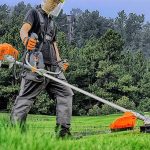
Skin health is a good example. Outdoor and mobile workers can spend long hours exposed to sunlight, heat, wind, dust, and changing weather conditions. Construction teams, landscapers, delivery drivers, sports coaches, agricultural workers, hospitality staff, and field sales teams may all face higher day-to-day exposure than office-based employees. Even so, many small employers find it difficult to arrange traditional workplace skin checks, especially when their staff work across different sites or shifts.
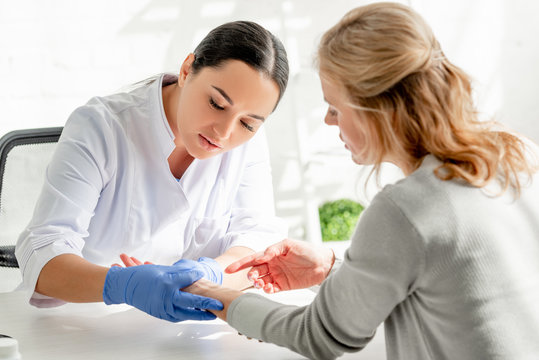
This is where a more flexible model can help. Instead of relying only on an onsite clinic, small businesses can give employees access to digital skin check tools that they can use privately from their own phone. The goal is not to replace doctors or dermatologists. The goal is to make early awareness easier, so that people are more likely to notice changes and seek professional advice from a Skin Cancer Specialist when needed.
Why onsite-only skin checks can be difficult for SMEs
Onsite skin check programmes can be useful, but they are not always realistic for small businesses. A company may have only 10, 20, or 50 staff. Some may work remotely. Some may travel between job sites. Others may be part-time or seasonal. Booking a clinic day, coordinating appointments, and getting enough staff participation can become more complicated than expected.
Cost is another barrier. SMEs usually need predictable spending. If a service requires a minimum number of participants, travel fees, clinic setup costs, or time away from work, the total cost can quickly become too high. As a result, skin health may be pushed down the priority list, even when the risk is clearly relevant to the workforce.
Privacy also matters. Not every employee wants to discuss a mole, rash, or skin concern at work. Some people may avoid screening simply because they feel embarrassed or do not want their employer involved in personal health matters. A good workplace skin health programme should make participation easy without making employees feel watched.
A practical alternative: private AI skin checks
For SMEs, a digital-first approach can be much easier to deploy. Employers can provide access to AI skin cancer checks for small business employees, allowing staff to complete a skin risk check privately from anywhere. This can support year-round awareness without requiring an onsite clinic, travel, or a fixed appointment schedule.
This approach is especially useful for businesses with outdoor teams, hybrid teams, or staff spread across multiple locations. Instead of waiting for an annual skin check day, employees can check a concerning mole or skin change when they notice it. If a result suggests higher risk, or if a lesion is changing, bleeding, painful, irregular, or worrying, the employee should be encouraged to seek medical review from a qualified healthcare professional.
The strongest workplace health tools are not the ones that create more admin. They are the ones that fit naturally into everyday behaviour. A phone-based skin check is simple: staff can take an image, receive risk guidance, and decide whether they need further professional assessment. For employers, it can be offered as a benefit without collecting sensitive images or managing individual medical results.
How small businesses can introduce it responsibly
The best implementation is simple, clear, and privacy-first. A small business can start with four steps:
- Position it as employee support, not surveillance. Staff should understand that skin checks are for their own wellbeing and that personal health decisions remain private.
- Make the message practical. Explain that the tool is designed for awareness and risk triage, not a final medical diagnosis.
- Encourage better image quality. If an employee is worried about a mole or lesion, a clear close-up photo is more useful than a distant full-body image.
- Create a follow-up pathway. If a result is concerning, employees should know to contact a GP, dermatologist, or local skin clinic.
This keeps the programme balanced. The employer provides access and education, while the employee keeps control over their own health information and next steps.
Why it can work well for outdoor and distributed teams
For businesses with outdoor workers, timing is important. Skin health should not only be discussed in summer. Sun exposure and skin changes can be relevant throughout the year, and employees may notice changes at any time. A digital model makes it easier to keep awareness active beyond a single campaign week or annual safety meeting.
It can also support teams that are difficult to gather in one place. A landscaping company, for example, may have crews working across different suburbs. A delivery company may have drivers on different routes. A small construction business may move from site to site. In these cases, a private, phone-based skin check can be more realistic than asking everyone to attend one location at one time.
For the employer, the value is not only about health. It also shows a modern approach to workplace wellbeing. Staff benefits do not have to be complicated or expensive to be meaningful. A practical skin health benefit can sit alongside sunscreen policies, protective clothing, shade planning, hydration reminders, and general sun safety training.
The bottom line
Small businesses should not have to choose between doing nothing and arranging a full onsite clinic. There is now a more flexible middle ground: private, digital skin risk checks that employees can use when and where they need them.
For SMEs, the best workplace health tools are affordable, easy to explain, and simple to use. AI skin checks can help employers support staff awareness, encourage earlier action, and make skin health part of everyday workplace wellbeing. They are not a replacement for professional diagnosis, but they can be a useful first step in helping employees take skin changes seriously.