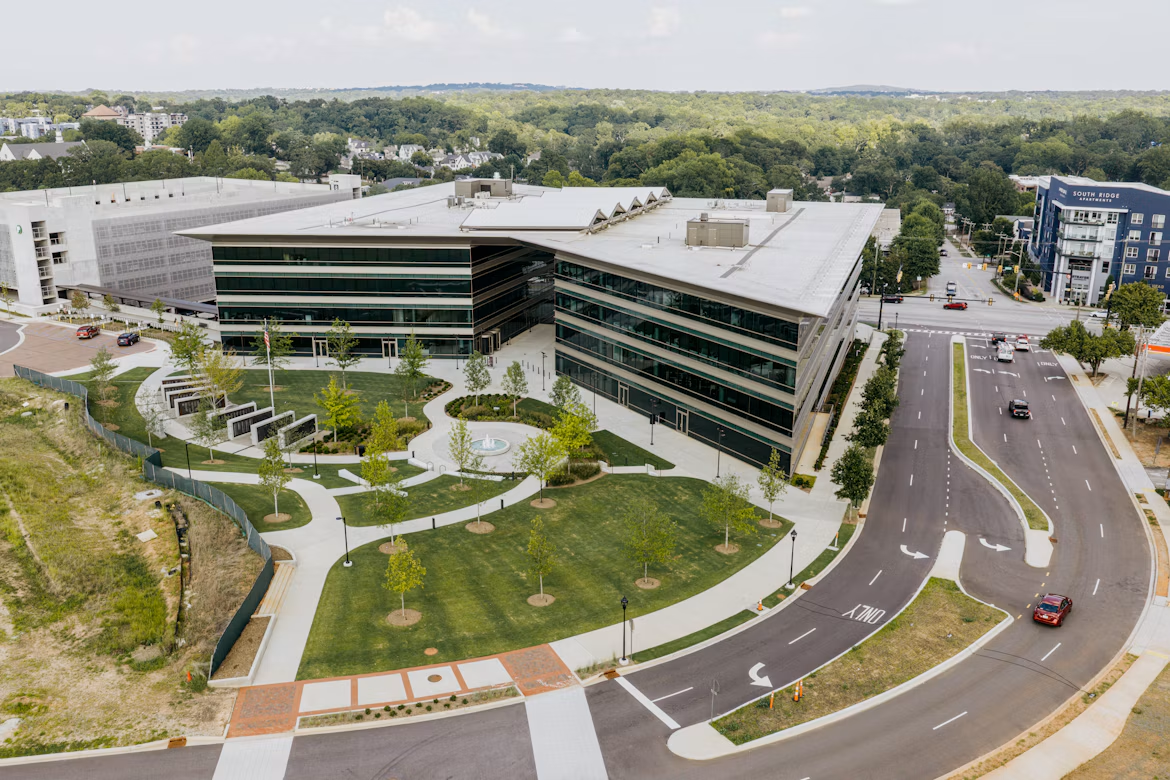
Commercial campuses now operate with flexible occupancy, connected building systems and a growing volume of real-time data. Facility teams need technology that shows how spaces function throughout the day and helps them respond quickly when conditions change.
A smarter operating model connects occupancy patterns, environmental sensors and site monitoring in a shared view. This gives teams enough context to prioritize maintenance, manage access and keep core services available without creating separate workflows for every building.
Navigating Shifting Campus Footprints
Hybrid schedules have made daily occupancy harder to predict. One building may reach capacity on Tuesday while another stays mostly empty until a scheduled event. Fixed assumptions about cleaning, heating and staffing can waste resources or leave busy areas underserved.
Start by comparing space reservations with entry counts and room-level occupancy data. Research into smart campus data models shows how integrated information can support campus operations and planning. Review trends over at least four weeks, then adjust cleaning routes, reception coverage and building hours. If a floor repeatedly stays below 20% occupancy on Fridays, consolidating activity elsewhere may reduce energy and service costs without disrupting employees.
Turn Sensor Telemetry Into Actionable Insight
Sensors can report temperature, air quality, equipment status and room occupancy every few seconds. Raw readings alone create noise, especially when facility teams oversee thousands of connected devices. Set thresholds according to operational impact and route each alert to the person who can act on it.
For example, a brief temperature change in an empty meeting room may need no response. A steady rise inside a server room requires immediate escalation. Guidance on using real-time campus data also points to the value of connecting live conditions with space decisions. Track alert frequency, response time and recurring faults so you can refine thresholds and address equipment that produces repeated warnings.
Unify Monitoring Across Wide Perimeters
Large campuses often have several buildings, parking areas and visitor entrances managed through separate systems. That fragmentation slows verification because staff must switch applications and manually compare records. A shared operating view can connect video management, access control, communications and vehicle identification where these functions are appropriate.
When evaluating a unified physical security platform, map the workflows your team performs during a typical shift. Test how quickly an operator can verify an access event, locate the relevant camera view and notify on-site personnel. Role-based permissions should also limit each user to the systems and locations required for their job. Run a pilot in one complex area before expanding across the campus.
Align Site Safety with Business Continuity
Site safety planning should support continued operations during power failures, severe weather, network outages and building closures. Begin by identifying essential functions, such as data services, employee communications and controlled entry to occupied facilities. Assign an owner and backup contact to each function, then document the systems they need.
Test realistic scenarios at least twice a year. During a network outage exercise, for example, confirm that local systems keep working, staff can access current contact lists and operators know when to move to manual procedures. Record the time required to restore each service and use the results to update recovery priorities. Clear retention policies, audit logs and software update schedules also reduce operational gaps that may otherwise surface during an incident.
Campus technology delivers the most value when operators can turn one reliable signal into a timely response. A practical starting point is a single workflow, such as after-hours access or an environmental alert, tested from detection through resolution. Any delay or duplicate step found there gives the team a specific improvement to address before the next campus-wide rollout.