For businesses that handle temperature-sensitive products, reliable refrigeration is far more than a convenience. It plays an important role in product quality, food safety, daily operations and the ability to meet customer expectations. Whether you operate a restaurant, supermarket, catering business, food production facility or commercial warehouse, choosing the right cool room can make a meaningful difference to how efficiently your business operates.
However, purchasing commercial refrigeration equipment involves more than comparing dimensions and prices. Storage requirements, available space, temperature needs, access, installation and future business growth all deserve careful consideration. Understanding these factors before making a decision can help you select a solution that is practical, fit for purpose and suitable for your working environment.
1. Start With Your Business’s Refrigeration Requirements
Before exploring available cool rooms, consider exactly what your business needs to store and how frequently the room will be accessed. A hospitality venue storing fresh ingredients will have different requirements from a food manufacturer holding larger quantities of temperature-sensitive stock.
Think about the types of products being stored, their required storage conditions, expected stock volumes and how long products typically remain in refrigeration. Also consider whether different products need separate storage areas or temperature settings.
For example, restaurants and commercial kitchens may prioritise convenient access during busy service periods, while wholesalers and food distribution businesses may place greater emphasis on storage capacity, stock rotation and handling larger deliveries.
It is also important to consider whether the room will primarily hold refrigerated ingredients, prepared foods, packaged products or incoming stock awaiting distribution. These differences can influence the required temperature range, storage configuration and frequency of access.
Having a clear understanding of these requirements provides a much stronger starting point than choosing a cool room based on appearance or price alone.
2. Choose the Right Cool Room Size and Storage Capacity
One of the most important purchasing decisions is determining how much usable storage space your business actually needs. A cool room that is too small can create congestion, make stock rotation difficult and restrict future operations. An unnecessarily large room, on the other hand, may increase initial expenditure and operating costs without delivering additional value.
When estimating capacity, look beyond the volume of stock currently held. Consider how products will be arranged, whether shelving or racking is required, how staff will move inside the room and how much clearance is needed around stored goods.
It is also worth considering seasonal fluctuations. Businesses that experience busy trading periods may need additional capacity at certain times of the year, while growing operations should allow for changes in inventory and demand.
A useful approach is to prepare an approximate inventory of the products you intend to store, including their quantities, packaging and dimensions. A refrigeration supplier can then help assess the practical storage arrangement and whether the proposed room will accommodate your operational requirements.
Remember that the advertised dimensions of a cool room do not necessarily represent its fully usable storage capacity. Doorways, shelving, refrigeration equipment, access clearances and safe movement within the room all influence how effectively the available space can be used.
3. Assess the Available Installation Space
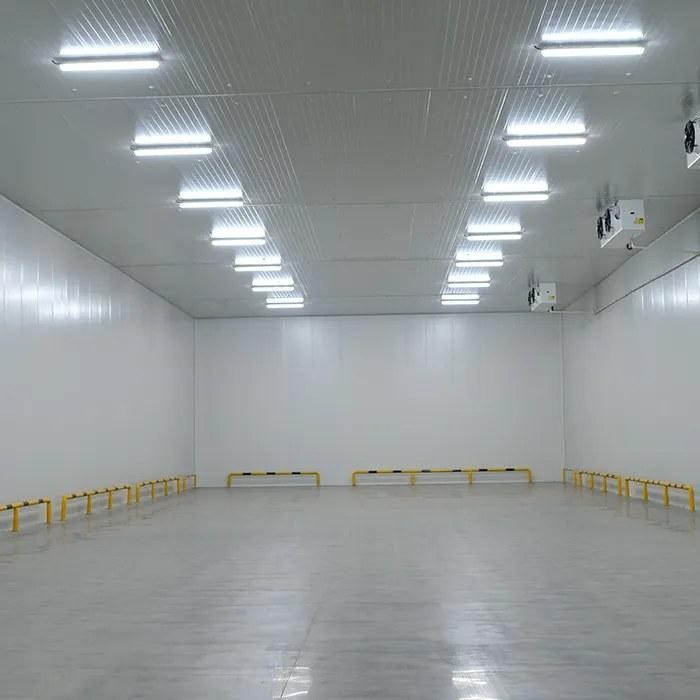
Even a well-designed cool room will need to suit the physical conditions of the intended installation site. Before requesting a quotation, measure the available floor area and consider the room’s height, surrounding structures, access points and any restrictions that could affect delivery or installation.
Pay particular attention to:
- Site dimensions: Confirm the available width, depth and height, allowing for the complete installation rather than just the internal storage area.
- Door access: Consider the direction of door opening, staff movement and the movement of trolleys or stock-handling equipment.
- Delivery access: Check whether equipment and building components can reach the proposed installation location.
- Ventilation and equipment clearance: Allow for the requirements of the refrigeration system and any manufacturer-specified clearances.
- Floor conditions: Consider the existing surface, drainage requirements where applicable and whether the proposed installation needs a particular floor arrangement.
- Services: Establish the availability and suitability of electrical supply and any other services required for the installation.
- Site environment: Consider exposure to heat, direct sunlight, moisture and other surrounding conditions that could affect the installation or refrigeration equipment.
For existing premises, it can be helpful to provide photographs, measurements and a simple site plan when discussing the project with a supplier. This makes it easier to identify potential installation challenges before equipment is ordered.
Businesses should also establish whether any building modifications, access arrangements, electrical work or drainage provisions need to be organised before installation. Addressing these considerations early can help avoid unnecessary delays and additional costs.
4. Understand the Importance of Temperature and Refrigeration Performance
Different products require different storage conditions, so temperature requirements should be established before selecting a refrigeration system. Fresh produce, dairy products, meat, seafood and other temperature-sensitive goods should not automatically be treated as having identical storage needs.
For food businesses, appropriate temperature control is particularly important. Australian food safety requirements address the safe handling and storage of potentially hazardous foods, and businesses should ensure their refrigeration arrangements support their food safety obligations.
When discussing a proposed cool room, ask the supplier about its intended operating temperature range, refrigeration capacity, expected operating conditions and suitability for your particular application. The system should be assessed against factors such as ambient conditions, how frequently the door will open, the quantity and temperature of incoming stock, and the room’s construction.
It is also worth asking how temperature is monitored and what arrangements are available if the refrigeration system experiences a fault. Reliable temperature monitoring and an appropriate maintenance plan can help businesses identify problems before they develop into more significant operational issues.
Another important consideration is the temperature of products when they enter the room. A cool room should not automatically be assumed to be suitable for rapidly cooling large quantities of warm or freshly prepared food. Where cooling is required, businesses should establish an appropriate process using equipment and procedures suited to the task.
5. Food Safety, Temperature Monitoring and Daily Procedures
For restaurants, cafés, catering operations, supermarkets and food manufacturers, a commercial cool room is an important part of a broader food safety system. Purchasing suitable refrigeration equipment is only one aspect of maintaining appropriate storage conditions. Businesses also need consistent procedures for monitoring temperatures, managing stock and responding to equipment problems.
Under the Australia New Zealand Food Standards Code, potentially hazardous food generally needs to be kept at 5°C or colder, or 60°C or hotter, unless another applicable time or temperature control method is used. Businesses should check the requirements relevant to their particular food operations and comply with applicable state and territory food safety obligations.
Practical procedures may include:
- Regular temperature checks: Monitor and record cool room temperatures at appropriate intervals using suitable, accurate equipment.
- Correct stock placement: Arrange products to support appropriate airflow and avoid obstructing refrigeration outlets.
- Door management: Keep doors closed when not in use and minimise unnecessary opening during busy periods.
- Stock rotation: Use suitable date labelling and stock rotation procedures to help manage product freshness and reduce waste.
- Cleaning and hygiene: Maintain a regular cleaning schedule and ensure storage areas remain suitable for the products being held.
- Fault response: Establish clear procedures for dealing with temperature deviations, refrigeration failures and potentially affected stock.
Businesses should also ensure staff understand how to use the refrigeration facilities correctly and know who is responsible for checking temperatures and escalating problems. A written monitoring and response procedure can help maintain consistency across different shifts.
For further guidance, businesses can consult Food Standards Australia New Zealand and their relevant state or territory food authority. Requirements can vary depending on the type of food operation, so businesses should confirm the obligations that apply to their circumstances.
6. Consider Workflow, Accessibility and Everyday Use
A commercial cool room should support the way your business operates, not create additional work for staff. Its internal layout, entrance position and storage arrangement can influence how quickly employees retrieve products, replenish stock and complete daily tasks.
For busy kitchens, convenient access can help staff manage ingredients during service. In distribution and warehousing environments, the layout may need to accommodate stock movement, trolleys or other handling equipment.
Think about how products will enter and leave the room, where frequently used items will be positioned and whether staff can move safely without unnecessary obstruction. Appropriate shelving, organised storage zones and clear access routes can make a substantial difference to everyday usability.
Good workflow planning also supports stock rotation. Products should be arranged so older stock can be identified and used appropriately, helping reduce unnecessary waste and improve inventory management.
It is worth considering how the cool room will operate during your busiest periods. If multiple employees need access at the same time, the entrance, internal layout and storage arrangement should accommodate the movement of people and products without creating unnecessary bottlenecks.
7. Are Cool Room Kits the Right Choice?
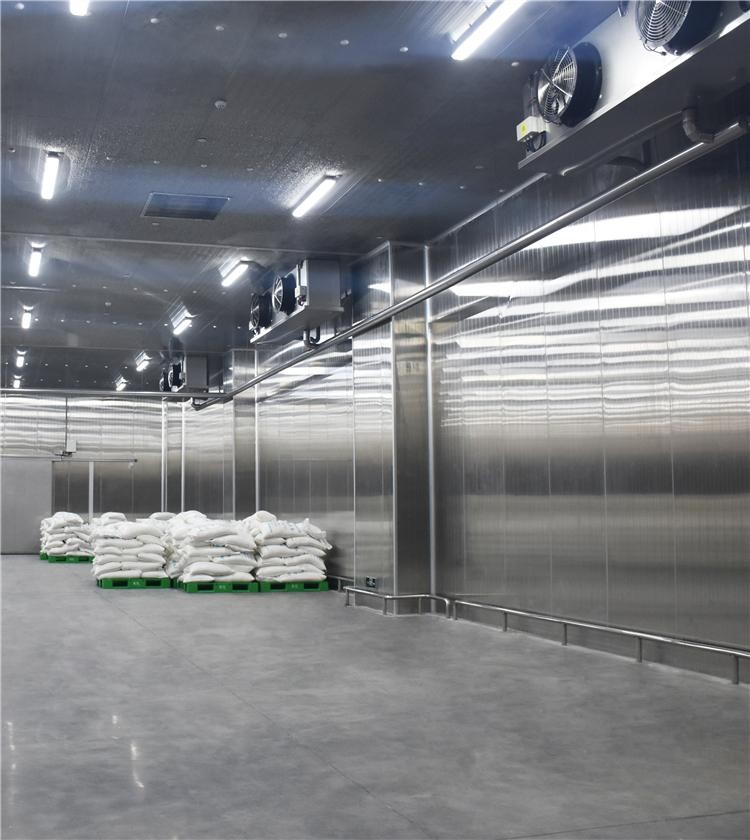
Cool room kits can be an option for businesses seeking a modular approach to commercial cold storage. Depending on the particular system, they may offer insulated panels and other components designed to form an enclosed refrigeration space.
However, not every kit will suit every premises or application. Before choosing one, establish what is included in the package, whether the refrigeration equipment is included, what additional components may be required and whether professional installation is recommended or necessary.
Businesses should also consider the suitability of the proposed kit for their storage requirements, available space and intended operating conditions. A lower initial purchase price does not necessarily represent the best overall value if additional work or equipment is needed to make the installation suitable.
For more complex commercial environments, a purpose-assessed solution may be more appropriate than selecting a standard configuration without considering the site and operational requirements.
Before purchasing, clarify whether the quoted price covers the complete system or only selected components. Understanding the scope of supply, delivery arrangements, installation responsibilities and any additional equipment required will help ensure you are comparing like-for-like options.
8. Look Beyond the Initial Purchase Price
The purchase price is only one part of the overall cost of owning a commercial cool room. Electricity consumption, servicing, cleaning, repairs and the practical demands of daily operation should also be considered.
When comparing options, ask whether the refrigeration system has information available about its expected energy consumption under specified operating conditions. Remember that actual electricity use will depend on factors such as room size, insulation, ambient temperature, door openings, stock loading and operating practices.
It is also sensible to understand the availability of replacement components, warranty arrangements and ongoing service support. A clear understanding of these details can help businesses make a more informed assessment of long-term value rather than focusing exclusively on the initial quotation.
Maintenance deserves particular attention. Regular inspection of doors, seals, refrigeration components and other system elements can help identify developing issues. The appropriate servicing schedule will depend on the equipment, manufacturer recommendations and the operating environment.
Businesses should also consider the potential cost of unexpected refrigeration downtime. Where temperature-sensitive stock is involved, an equipment fault can affect inventory, interrupt operations and create additional pressure on staff. Understanding available service arrangements and having a practical contingency plan can therefore be valuable.
9. Questions to Ask Before Buying a Commercial Cool Room
Before committing to a purchase, ask your supplier a few practical questions:
- Is the proposed cool room suitable for the products and operating conditions involved?
- What internal storage capacity will be available once shelving and other equipment are considered?
- What temperature range is the refrigeration system designed to maintain?
- Are the refrigeration unit, insulated panels, doors and other required components included?
- What site preparation, electrical work or additional installation requirements should be allowed for?
- What are the delivery arrangements and estimated installation timeframe?
- What warranty coverage, maintenance information and after-sales support are provided?
- Can the proposed configuration accommodate future changes in storage requirements?
- What temperature monitoring arrangements are recommended for the intended application?
- Are there any additional costs for site preparation, installation, electrical work or commissioning?
Asking these questions early helps clarify what is included, identify potential additional costs and reduce the likelihood of unexpected issues during installation.
It can also be useful to request a written quotation that clearly outlines the proposed configuration, included components, exclusions, delivery arrangements and any assumptions made about the installation site. This gives your business a clearer basis for comparing suppliers and assessing the overall value of each option.
10. Choosing a Commercial Refrigeration Supplier
The supplier you choose can be just as important as the equipment itself. A helpful supplier should take the time to understand your business, discuss your requirements and explain the available options without making assumptions about what you need.
Look for clear communication, transparent quotations and a willingness to clarify technical and installation considerations. It is also worth checking how enquiries, delivery arrangements, warranty matters and after-sales support are handled.
A good purchasing experience should involve more than receiving a product price. You should be able to understand what is being proposed, what is included in the supply and which practical considerations need to be addressed before proceeding.
For Australian businesses comparing cool rooms for sale, AROVANTIS provides a dedicated range of commercial cool room and cold storage solutions to explore. Taking the time to discuss your intended application, site requirements and storage needs can help you identify an option worth considering for your business.
Make an Informed Decision for Your Business
Choosing a commercial cool room is an investment in the day-to-day operation of your business. The right solution should provide suitable storage capacity, support the required temperature conditions, fit the available premises and allow staff to work efficiently.
Rather than rushing into a purchase based on price or dimensions alone, take the time to assess your stock requirements, measure the installation area, consider workflow and ask detailed questions about the refrigeration system and ongoing support.
It is equally important to consider how the equipment will fit into your wider business processes. Appropriate food safety procedures, temperature monitoring, staff training and regular maintenance all contribute to effective cold storage management.
With careful planning and advice from an experienced commercial equipment supplier, businesses can make a more confident decision and select a cold storage solution that supports their operational needs today while allowing room for future growth.