Understanding Personal Baseline Physiology
Sustainable health improvement requires more than periodic doctor visits and occasional fitness efforts that create temporary spikes in wellbeing before returning to baseline. True wellness emerges from consistent daily habits informed by accurate self-awareness and longitudinal trend analysis that reveals subtle changes invisible during isolated measurements. Modern wearable technology facilitates this continuous health consciousness by providing real-time biometric feedback that guides lifestyle decisions throughout every hour of every day, creating the sustained awareness that drives lasting behavioral change.
The foundation of effective health management lies in understanding baseline physiological patterns that define individual normal ranges. Every person maintains unique equilibrium points for heart rate, respiratory function, metabolic indicators, and sleep architecture that differ significantly from population averages. Wearable devices establish these personal baselines through extended monitoring periods, then identify deviations that might indicate emerging health concerns before subjective symptoms develop. This personalized approach proves far more valuable than comparing metrics against generic standards that may not reflect individual physiology or genetic predispositions.
The concept of biological individuality has gained increasing recognition in medical and wellness communities. What constitutes normal varies dramatically between individuals based on genetics, fitness levels, age, and lifestyle factors. A resting heart rate considered healthy for one person might indicate concern for another. Wearable technology that establishes personal baselines rather than relying on population averages provides contextually relevant insights that respect this diversity. This personalized framework ensures that alerts and recommendations apply meaningfully to the specific wearer rather than generating false alarms or missed warnings.
Comprehensive Monitoring Beyond Basic Metrics
Heart health monitoring extends well beyond simple pulse counting during exercise to encompass continuous tracking throughout daily activities and rest periods. This comprehensive observation reveals how cardiovascular systems respond to stress, meals, sleep quality, environmental factors, and emotional states in ways that isolated clinical measurements cannot capture. Resting heart rate trends serve as particularly valuable indicators of overall fitness improvement or declining condition, with gradual decreases typically signaling enhanced cardiovascular efficiency while unexpected elevations may indicate overtraining, illness onset, or inadequate recovery between demanding days.
Blood oxygen saturation monitoring has gained particular relevance in recent years as awareness of respiratory health importance has increased across global populations. While healthy individuals typically maintain stable levels during normal activities, subtle variations during sleep, altitude changes, or physical exertion provide meaningful health insights. For those managing respiratory conditions or recovering from illness, continuous SpO2 tracking offers peace of mind and early warning of potential complications requiring medical attention before situations become critical.
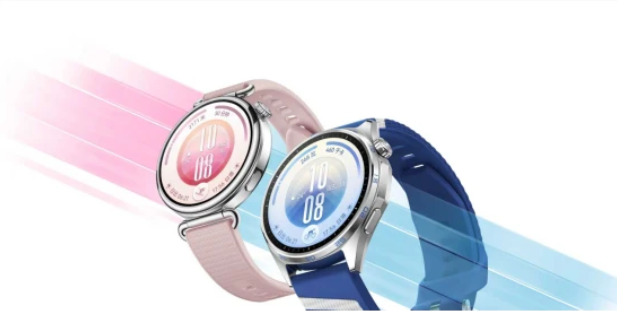
Skin temperature monitoring represents an emerging frontier in consumer health technology with applications across multiple wellness domains. Baseline temperature tracking helps identify illness onset before subjective symptoms like fatigue or discomfort appear, enabling earlier rest and treatment interventions. For women, temperature patterns provide valuable fertility insights that support family planning decisions, while athletes use thermal data to optimize training timing around physiological cycles and detect overtraining states. The HUAWEI gt 7 incorporates these temperature sensing capabilities alongside traditional metrics for more comprehensive health awareness that captures dimensions previously invisible to consumers.
Lifestyle Integration and Preventive Care
Activity pattern recognition transforms raw movement data into meaningful lifestyle insights that go far beyond simple step counting. Modern algorithms distinguish between walking, climbing stairs, household activities, and various exercise modalities with remarkable accuracy. This nuanced understanding enables more accurate calorie expenditure estimates and helps users identify sedentary periods requiring intervention. Subtle reminders to move after extended inactivity promote healthier daily movement patterns without becoming intrusive or annoying, gently nudging behavior toward more active lifestyles.
Stress management has emerged as a critical component of comprehensive health programs that acknowledge the profound impact of psychological factors on physical wellbeing. Continuous heart rate variability monitoring provides objective measures of autonomic nervous system balance, revealing stress accumulation before subjective awareness develops. Guided breathing exercises activated during detected stress episodes help restore parasympathetic dominance, promoting relaxation and mental clarity throughout demanding days. This physiological approach to stress management proves more effective than generic advice because it responds to actual measured states rather than assumed conditions.
The cumulative effect of continuous health awareness extends beyond individual metrics to holistic wellbeing improvement through interconnected understanding. When users understand how sleep quality affects next-day cognitive performance, how stress impacts physical recovery, and how activity patterns influence evening energy levels, they make more informed lifestyle choices across multiple domains. Family health sharing features extend wearable benefits beyond individual users to household units and support networks. Parents can monitor children’s activity levels, adult children can track aging parents’ health trends, and partners can encourage each other’s wellness goals through shared data and mutual accountability.
Preventive health management through wearable technology represents a paradigm shift from reactive medical care that treats symptoms after they develop. By identifying concerning trends before they manifest as diagnosable conditions, individuals can address issues through lifestyle modifications rather than pharmaceutical interventions or invasive procedures. This proactive approach promises to improve population health outcomes while reducing healthcare system burdens, creating benefits that extend far beyond individual device users to communities and societies seeking sustainable wellness models. The transformation from episodic healthcare to continuous health awareness represents one of the most significant shifts in personal medicine since the introduction of routine physical examinations.