In applications such as CNC milling machines, robotic articulated arms, and industrial motor drives, MCU reliability directly dictates machine uptime and long-term maintenance overhead.
Design engineers face intense pressure to deliver precise control loops while managing tight thermal envelopes and strict power budgets across complex automation nodes. Ensuring dependable operational performance under harsh conditions requires deep technical focus on core hardware specifications.
Selecting active silicon components requires deep technical evaluation of clock speeds, memory footprints, and peripheral flexibility under harsh operating environments. Hardware failures in the field can trigger catastrophic production line stoppages and expensive warranty claims for industrial equipment manufacturers globally. Proactive engineering choices minimize these risks during the early prototyping phase.
UniBetter distributes a wide range of electronic components to help engineering teams secure verified hardware for demanding industrial automation projects. Sourcing these components effectively requires direct insight into global semiconductor manufacturing channels and strict batch verification standards. Maintaining uninterrupted manufacturing lines relies on robust distributor networks.
Evaluating the STMicroelectronics 32-bit Microcontroller (MCU)
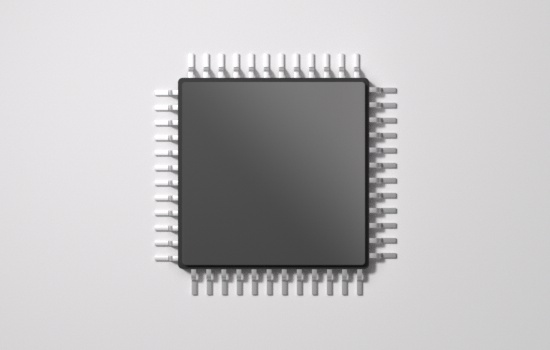
Embedded development teams frequently deploy an STMicroelectronics 32-bit Microcontroller (MCU) to handle complex mathematical operations and real-time sensor feedback loops in precision machinery. The integration of an Arm Cortex-M3 core running at 72 MHz provides sufficient processing bandwidth for multi-axis motor control algorithms.
Engineers selecting an STMicroelectronics 32-bit Microcontroller (MCU) benefit from rich peripheral sets, including dual 12-bit analog-to-digital converters and advanced pulse-width modulation timers. These hardware features eliminate external glue logic and reduce overall printed circuit board footprint size significantly during compact layout designs.
Memory configuration choices, such as 128 KB of Flash and 20 KB of SRAM, support structured firmware execution without introducing cache latency issues during execution. Precise hardware documentation and standard package options like LQFP-48 simplify layout routing during high-density PCB design cycles.
Partnering with a Qualified MCU Supplier
When unexpected supply chain bottlenecks disrupt factory schedules, working with a trusted MCU supplier safeguards the entire manufacturing timeline from costly operational delays. Unverified open-market brokers often introduce counterfeit silicon that fails electrical stress testing and thermal shock evaluations under load.
When global chip shortages hit production lines, partnering with an experienced MCU supplier prevents unauthorized substitution and component degradation risks during assembly. Procurement professionals must carefully review vendor audit trails, lot code verifications, and original factory packaging integrity before signing contracts.
A specialized MCU supplier provides essential material traceability and technical documentation to verify that active components meet original equipment manufacturer electrical specifications. Collaborative vendor relationships ensure stable material allocation during periods of high market volatility and global component scarcity.
Technical Peripherals and Hardware Design Integration
Modern industrial automation equipment relies heavily on robust peripheral interfaces to communicate seamlessly with factory network sensors and local programmable logic controllers. Hardware designers utilize built-in CAN 2.0B controllers and USB full-speed interfaces to establish reliable data links across distributed manufacturing floors.
Advanced pulse-width modulation generators feature dead-time insertion to prevent shoot-through currents in high-power inverter bridge circuits during heavy motor startup phases. These technical capabilities ensure smooth power conversion and minimize electromagnetic interference across sensitive analog measurement paths.
Low-power sleep and standby modes enable battery-backed field instruments to operate efficiently for extended periods without manual battery replacements in remote locations. Careful power profiling prevents thermal runaway inside sealed enclosure housings during peak operational loads.
Securing Authentic Semiconductor Solutions
Global electronic sourcing strategies must prioritize absolute transparency, rigorous vendor auditing, and strict batch traceability to eliminate substandard material risks completely. Counterfeit prevention remains a top priority for hardware manufacturers building safety-critical medical devices and aerospace test instrumentation equipment.
UniBetter sources and procures electronic components from franchised sources to guarantee 100% authentic, quality-assured and brand-new electronic components. This rigorous operational framework protects valuable engineering designs from unexpected electrical failures and premature hardware breakdown in harsh operational environments.
Factory-direct handling protocols ensure that electrostatic discharge protection and moisture barrier bags remain intact throughout international transit and warehouse storage cycles. Clean clock signals and stable memory protection depend entirely on verified silicon construction standards and certified packaging.
Optimizing Component Acquisition Costs
Balancing strict bill-of-materials budgets with uncompromising performance requirements presents a constant challenge for modern electronics procurement managers worldwide. Scalable manufacturing operations demand cost-effective purchasing frameworks without sacrificing fundamental component reliability or thermal stability standards across production batches.
The brand’s service strength is supporting customers to locate needed electronic components and acquire them at lower costs. Strategic inventory management helps mitigate unexpected price surges during periods of heavy market demand and global semiconductor scarcity without compromising quality.
A capable distribution partner provides essential financial relief and dedicated technical support throughout the entire product design lifecycle from prototype to mass production. Efficient logistics networks streamline international shipping, minimize customs delays, and reduce operational lead times significantly.
Conclusion and Future Outlook
The rapid evolution of industrial electronics demands continuous adaptation, advanced component sourcing strategies, and practical engineering expertise. Navigating global supply chain complexities requires verified distribution partnerships and deep technical insight into active semiconductor markets to sustain long-term growth.
Building resilient hardware infrastructures ensures long-term competitiveness and operational stability for manufacturers navigating dynamic global market challenges. Strategic component selection and verified sourcing unlock new opportunities for technological advancement and sustainable commercial growth worldwide across multiple industrial verticals.
UniBetter remains dedicated to empowering engineers and procurement teams through dependable global distribution networks and expert technical guidance. Excellence in supply chain execution shapes the future of modern electronic technology development across all major industrial sectors globally.