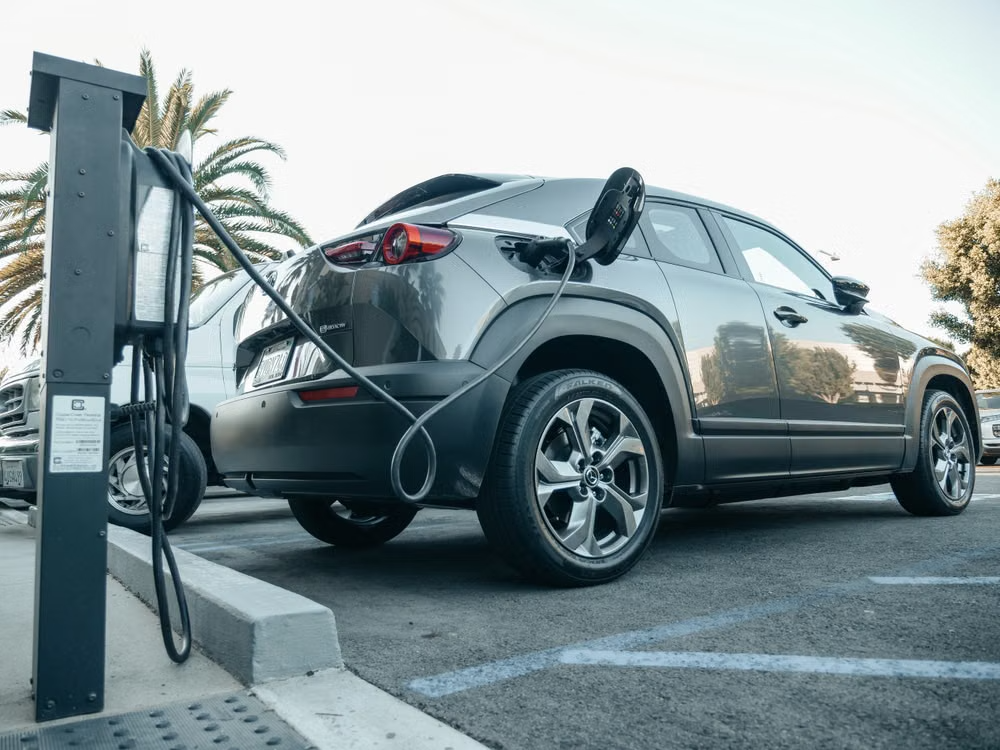
Thinking about switching to an EV or already own one?
The sticker price is only the beginning…
The lifetime cost of ownership for electric vehicles doesn’t resemble what many drivers anticipate. There are unforeseen costs, unexpected savings, and a couple of large expenses that surprise new EV owners annually.
And here is the kicker…
Most of these costs never even get mentioned at the dealership.
Here’s the truth:
- EVs can save thousands over their lifetime
- But they can also cost thousands if you’re not prepared
This article breaks down how much it truly costs to own an EV long-term and how to budget for it.
Let’s dive in…
Here’s what’s inside:
- Real Cost Of Owning An EV Over 5 Years
- Shipping Costs — Enclosed vs Open Transport
- Battery Replacement — The Big One
- Insurance & Repair Costs
- Depreciation & Resale Value
- Charging & Maintenance Savings
The Real Cost Of Owning An EV Over 5 Years
Buyers think about price. The price you pay is only the beginning.
The total cost of ownership includes:
- Depreciation
- Insurance
- Financing
- Electricity
- Maintenance
- Repairs
And here is where things get interesting…
Automotive industry research indicates the average new EV costs $55,544, while the average comparable gas vehicle costs $49,740. However, electric vehicle drivers save roughly $1,545 each year on fuel and experience lower maintenance costs throughout their vehicle’s life.
The TL;DR: Electric Vehicles aren’t equal. Some will save you thousands over a 5-10 year period. Some will slowly drain your wallet.
Shipping Costs — Enclosed vs Open Transport
This is one long-term cost that most EV owners completely forget about.
Whether you’re moving across the country, purchasing a used EV from out-of-state, or transporting a second car — many EV owners find they need to work with professional auto shipping providers to safely transport their vehicle. Enclosed vs open transport is a decision you’ll want to weigh more carefully when shipping an EV versus a traditional car.
Open transport is:
- Cheaper (usually 30-40% less)
- The most common way vehicles get shipped
- Fine for most standard EV shipments
Enclosed transport is:
- More expensive but offers full weather protection
- Preferred for luxury EVs like Rivians, Lucids, and Teslas
- Better for long-distance moves where road debris is a concern
Enclosed transport is highly recommended for new EVs with costly body panels and sensitive sensors. Open transport is typically fine for commuter EVs.
Obtain a few shipping quotes in advance to prevent any unpleasant surprises. Also remember…EVs are heavier than gasoline cars and this weight can factor into higher shipping quotes on either option.
Battery Replacement — The Big One
This is the cost that keeps EV owners up at night.
If a battery pack fails outside of warranty, the bill can be brutal.
Current 2025 battery replacement costs:
- Compact EVs: $5,000-$8,000
- Mid-size sedans/SUVs: $8,000-$15,000
-
Luxury EVs: $12,000-$20,000
- Electric trucks: $15,000-$25,000
The good news?
Battery failures are far less common than many realize. Battery warranties are offered by most EV manufacturers at 8-10 years/100,000 miles. And only 2.5% of EVs ever require a replacement pack.
But here’s what most new EV owners don’t realise…
Routine auto insurance policies do not cover the slow depletion of battery capacity. Coverage is limited to damage due to accidents, theft or weather. A battery that deteriorates gradually over time outside of warranty is an out-of-pocket expense.
Insurance & Repair Costs
Insurance for EVs is generally higher. There is no way around it.
The reason?
- EVs have higher upfront costs
- Collision repairs cost around 20% more than gas vehicles
- High-voltage work needs certified specialists at higher rates
For example … insurance premiums on a Chevrolet Equinox EV can be about $13,000 annually — and a GMC Sierra EV can exceed $18,000 per year.
Ouch.
The kicker with this is that low level accidents can total an EV too. If the battery case underneath gets damaged, it usually costs more than 70-80% of ACV to repair. You can have a car that looks perfectly fine on the outside but totaled because of internal battery damage.
As a result more and more EV owners are turning to gap insurance and extended warranties.
Depreciation & Resale Value
Depreciation is the largest expense associated with owning any car today — electric vehicles suffer doubly.
Used EV prices fell 30% in 2024 alone. Used gas car prices hardly budged.
Why does this happen?
- Rapid technology improvements make older EVs less desirable
- Battery health uncertainty scares buyers
- New models offer better range every year
But here’s the flip side…
This is fantastic news for used car shoppers. Used two- or three-year-old EVs now can be purchased for a small fraction of the original price. Most of the dramatic up-front depreciation has already occurred — and future depreciation is much slower.
Advice to new EV purchasers – depreciate 40-50% over the first 3-5 years.
Charging & Maintenance Savings
Now for the good news…
This is where EVs really shine.
Charging savings:
- Home charging costs about half of what gasoline costs per mile
- Average EV driver saves $1,545 per year on fuel
- Level 2 home charger install runs $500-$1,500
Maintenance savings:
- No oil changes
- Fewer fluids to replace
- Regenerative braking extends pad and rotor life
- Fewer moving parts means fewer things to break
Studies show EV drivers spend one-third less on maintenance over the lifetime of their vehicles. Over a decade that could mean savings of $2,000-$5,000 over a gasoline vehicle.
That’s a lot of money over the life of the vehicle. And electric bills, unlike gasoline prices, are typically much more stable month to month.
Final Thoughts On EV Ownership Costs
Owning an EV is more complicated than most drivers assume.
Fuel savings, maintenance savings and tax credits (if you can still find them) are very real, but you also have some significant expenses to consider. Depreciation, insurance, possible battery replacement and shipping charges can take a big bite out of your savings if you aren’t prepared for them.
Quick recap:
- EVs save money on fuel and maintenance
- Depreciation hits harder in the first 3-5 years
- Battery replacement can cost $5,000-$25,000 out of warranty
- Insurance and collision repairs run noticeably higher
- Used EVs offer great value once early depreciation is done
The intelligent choice is made based on total cost of ownership over 5-10 years rather than sticker price alone.
Do the math, plan ahead, and enjoy the ride.