In the United States, land management practices in agriculture and forestry have evolved to meet higher efficiency and environmental standards. Clearing tree stumps is a common requirement for land development, replanting, and infrastructure preparation. The 18 inch excavator stump grinder attachment has become an important tool for operators seeking controlled and efficient stump removal in both rural and semi-urban settings.
Technology Overview and Use CasesWorking Principle
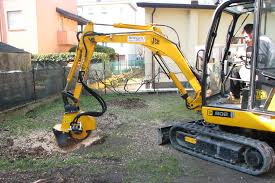
An excavator stump grinder attachment uses a rotating cutting wheel equipped with teeth to grind wood material into small fragments. When mounted on a 3 to 7 ton excavator, the system allows precise positioning and controlled grinding depth. This method reduces the need for manual excavation or burning.
- Land clearing for agriculture
- Forestry site preparation
- Roadside and utility maintenance
Efficiency, Safety, and Productivity
Efficient stump removal improves land usability and reduces project timelines. Compared to manual removal methods, stump grinder attachments allow operators to complete tasks with fewer labor requirements. This contributes to consistent productivity while reducing physical strain on workers.
From a safety perspective, mechanized grinding minimizes direct contact with cutting tools and reduces exposure to hazardous conditions such as unstable root systems.
Technical Considerations
Proper equipment selection is essential for effective operation. The attachment must match the excavator hydraulic capacity and weight class. Operators should evaluate cutting diameter, rotational speed, and tooth configuration.
- Hydraulic flow compatibility
- Mounting interface and coupling system
- Cutting wheel durability and maintenance needs
Factors Affecting Performance
Several environmental and operational factors influence grinding performance. Soil composition, stump size, and moisture levels can affect cutting efficiency. Operator technique also plays a critical role in achieving consistent results.
- Wood density and root structure
- Ground stability and slope conditions
- Regular inspection of cutting teeth
Safety Considerations and Best Practices
Safe operation requires attention to both equipment condition and worksite management. Operators should follow established guidelines to reduce risk during grinding activities.
- Maintain a safe distance from bystanders
- Wear protective equipment such as eye and hearing protection
- Inspect attachment connections before use
- Operate on stable ground whenever possible
Equipment and Supporting Tools
The stump grinder attachment is often used alongside other land management tools. Supporting equipment improves efficiency and operational safety.
- Compact excavators within the specified weight range
- Debris removal tools such as loaders
- Measurement and marking tools for site planning
Advantages and Limitations
Understanding both strengths and limitations helps operators plan effective workflows.
- Advantages: precise control, reduced manual labor, adaptability to different sites
- Limitations: dependent on hydraulic capacity, requires operator training, performance varies with ground conditions
Real World Application
A forestry contractor in the southeastern United States used an excavator stump grinder attachment to prepare land for replanting. By replacing traditional stump removal methods, the team reduced project time and minimized soil disturbance. This approach supported more efficient reforestation practices and improved site accessibility.
Conclusion and Future Trends
The 18 inch excavator stump grinder attachment is an effective solution for modern land management in agriculture and forestry. It supports safe, efficient, and controlled stump removal. Future developments are expected to focus on improved cutting materials, enhanced hydraulic efficiency, and integration with precision land management systems. These advancements will continue to support productivity and sustainability across the industry.