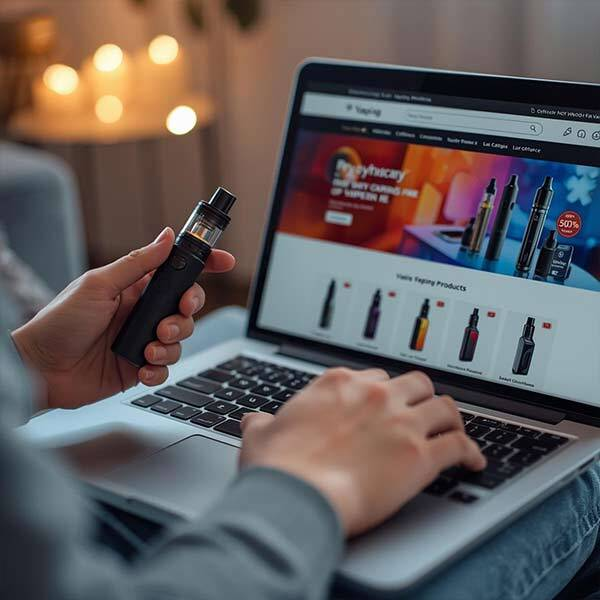
A fake vape refers to a counterfeit or non-genuine vaping device that imitates a legitimate brand but fails to meet manufacturer, safety, or Australian regulatory standards. In the Australian online market, fake vapes commonly appear through unverified websites, social platforms, or offshore sellers targeting price-sensitive buyers. Knowing how to spot a fake vape online protects consumers from health risks, legal exposure, and financial loss. This guide explains how counterfeit vapes enter Australia, why they are dangerous, and how buyers can verify authenticity before and after purchase to ensure they are using a compliant, genuine product.
What Is a Fake Vape in the Australian Market?
A fake vape in Australia is a vaping device or disposable vape that falsely claims to be produced by a legitimate manufacturer or that misrepresents its compliance status. These products often imitate packaging, branding, and product names of recognised vape devices while bypassing quality control and regulatory oversight.
In the Australian context, it is important to distinguish between counterfeit vapes and non-compliant imports. A counterfeit vape deliberately copies a branded product and uses unauthorised logos or serial numbers. A non-compliant vape may be genuine in origin but fails to meet Australian regulations related to nicotine content, labelling, or import controls. Both pose risks, but counterfeit products introduce greater uncertainty around materials, battery safety, and liquid composition.
Fake vapes frequently misstate nicotine concentration, hide ingredient details, or omit manufacturer identification. These gaps make it impossible for buyers to verify product safety or traceability. Understanding this distinction forms the foundation for identifying risks and evaluating online vape sellers more critically.
Why Buying Fake Vapes Online Is Risky in Australia
Buying fake vapes online in Australia exposes consumers to avoidable health, legal, and compliance risks. Unlike regulated products, counterfeit vapes operate entirely outside formal safety systems.
- Health and safety risks
Fake vapes often contain untested e-liquids with inconsistent nicotine levels and unknown additives. Poor battery construction increases the risk of overheating, leakage, or device failure. Without quality assurance, users cannot rely on consistent vapour delivery or ingredient transparency. - Regulatory and legal exposure
Australian border authorities may seize non-compliant or counterfeit vaping products during importation. Buyers may lose their purchase without a refund, and repeated imports can attract scrutiny. Possession of certain non-compliant nicotine products may also breach state or federal regulations. - Lack of consumer recourse
Counterfeit sellers rarely offer valid warranties, return policies, or customer support. When a device malfunctions or causes harm, buyers have no reliable avenue for remediation.
These risks underscore the importance of verification before purchase, as resolving problems after the fact is less effective.
How To Spot a Fake Vape Before You Buy Online
Identifying a fake vape before checkout requires systematic evaluation of the retailer, product presentation, and transaction process. Each element contributes to an overall authenticity signal.
Check the retailer’s authenticity signals
A legitimate Australian vape retailer clearly displays business registration details, contact information, and policy pages. Authentic sellers clearly explain their sourcing standards and compliance approach, without making exaggerated claims. The absence of an Australian address, vague “about us” sections, or anonymous contact forms often indicates higher risk.
Tips: The safest way to purchase vapes online is to trust reputable online vape stores in Australia, such as OZVapeShops, SydneyVapesHub, JustVapes, IGET Store, and Australian Vapers.
Verify product packaging and labeling details
Genuine vape products follow consistent packaging standards set by the manufacturer. Listings should show accurate product names, manufacturer identification, and compliance labels where applicable. Misspellings, blurred images, or inconsistent branding suggest unauthorised replication rather than official supply.
Identify suspicious pricing patterns
Counterfeit vapes frequently rely on pricing that appears significantly below the market average. While promotions exist, extreme discounts across entire product ranges undermine legitimate supply economics. Price comparison across multiple Australian retailers helps establish realistic benchmarks.
Review payment and checkout security indicators
Secure checkout processes use encrypted payment gateways and recognised providers. Legitimate retailers offer standard payment protections and clearly defined refund policies. Requests for direct bank transfers or cryptocurrency payments reduce buyer protection and increase fraud risk.
Evaluating these signals together creates a reliable pre-purchase screening process that reduces exposure to counterfeit products.
How To Verify a Vape Product After Purchase
Verification does not end at checkout. Buyers should inspect vape products immediately upon receipt to confirm authenticity.
First, check QR codes, batch numbers, or serial numbers printed on the device or packaging. Many manufacturers provide online verification tools that confirm whether a code has been registered previously. However, QR codes alone are not definitive, as counterfeiters may reuse copied codes.
Next, inspect the build quality and materials. Genuine devices show consistent assembly, secure battery housing, and precise airflow mechanisms. Loose components, uneven seams, or rattling parts indicate poor manufacturing standards.
Finally, assess flavour consistency and vapour output during initial use. Authentic products deliver stable flavour profiles and predictable performance. Harsh taste, burnt notes, or irregular vapour production suggest substandard e-liquid or device defects.
These steps help buyers confirm whether a product aligns with manufacturer specifications.
Common Red Flags That Indicate a Fake Vape Website
Certain website characteristics consistently correlate with counterfeit vape sales.
Fake vape websites often display poor language quality, including grammar errors and inconsistent terminology. Missing or incomplete policy pages, such as returns, privacy, or shipping terms, further reduce credibility. Unrealistic claims about nicotine strength, health benefits, or unlimited puff counts contradict industry norms and regulatory standards.
Additionally, poorly structured websites with copied images, broken links, or minimal product descriptions suggest rapid setup rather than long-term retail operation. Recognising these red flags helps buyers avoid unreliable sellers before engagement.
Final Thoughts
Understanding how fake vapes operate allows Australian buyers to move confidently toward verified, genuine products. By applying structured checks before purchase, verifying products after delivery, and relying on transparent retailers, consumers replace uncertainty with informed assurance.
Frequently Asked Questions
Are fake disposable vapes dangerous?
Fake disposable vapes can be dangerous due to untested e-liquids and low-quality batteries. These risks increase the likelihood of device malfunction and inconsistent nicotine delivery.
Can fake vapes look identical to real ones?
Yes. Counterfeit vapes often closely replicate packaging and design. Differences usually appear in build quality, serial verification, or performance consistency.
Is buying fake vapes illegal in Australia?
Importing or possessing non-compliant nicotine vapes may breach Australian regulations. Seizure and loss of purchase are common consequences.
How can Australian Vapers guarantee authenticity?
Australian Vapers uses verified sourcing, manufacturer-aligned checks, and transparent retail practices to ensure products are genuine and traceable.