
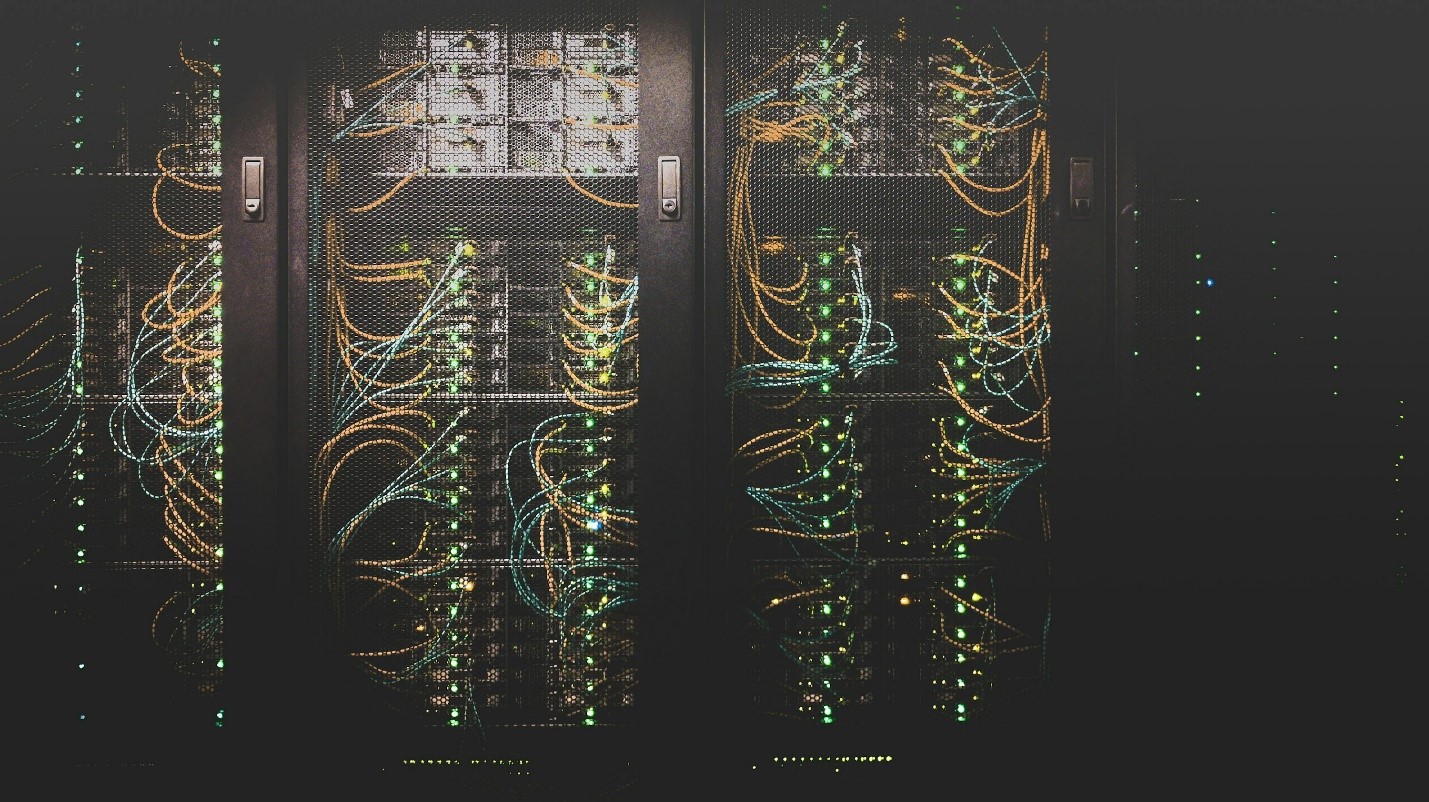
Technology shapes the way information moves, grows, and gets preserved. Organizations rely on a mix of methods that keep data accessible, safe, and ready for analysis. Physical devices, cloud platforms, and hybrid systems share the workload, each supporting a different set of needs.
The rapid rise of digital activity creates a constant push for faster storage, smarter organization, and dependable safeguards. Modern management practices aim to bring order to massive streams of information while keeping everything stable enough to support daily operations. This environment demands clear structure, reliable tools, and an understanding of how each layer of storage contributes to overall performance. Let us elaborate on how storage technologies and architectures work together to meet these demands.
Role of Physical Storage in a Digitally Driven Era
Physical storage remains a core part of many infrastructures. Hard drives and solid-state drives handle large volumes of information with consistent reliability. Enterprise servers continue to support sectors that require tight control over their environments. Local storage gives teams a sense of ownership, which matters in places where regulations or internal policies prevent external hosting.
Hardware decisions often revolve around speed, durability, and cost, and each option brings a different balance of those qualities. Organizations also value the predictability that comes with equipment they can directly manage. Even with rising cloud adoption, physical systems still serve as the backbone for countless workflows.
Evolution of Digital Memory Architecture
Memory technology has progressed rapidly to meet the demands of modern computing. Increases in capacity and performance have enabled more complex applications and higher-speed data processing. Semiconductor storage plays a central role in this evolution, supporting the shift toward faster data retrieval and lower latency. By relying on solid-state components rather than mechanical processes, it delivers consistent access speeds and improved reliability across modern systems.
Advances in memory architecture influence every layer of the system, shaping how software interacts with stored information. Improved memory structures help reduce bottlenecks and make data access more responsive as datasets continue to grow. Careful planning around these technologies ensures smoother system performance and greater flexibility for future expansion.
Value of Cloud Storage Across Industries
Cloud platforms changed expectations around accessibility and scale. Teams use shared environments to collaborate without geographic limitations. Providers handle maintenance and upgrades, which removes the burden of running large facilities. Public cloud setups appeal to fast-growing companies, while private cloud environments support teams with tight compliance goals.
Hybrid models give organizations the ability to split workloads between controlled spaces and flexible online capacity. This combination makes cloud storage attractive to a wide range of industries. The model also adapts to shifting requirements, which helps teams manage unpredictable growth.
Importance of Data Redundancy and Backup Planning
Data loss can disrupt operations, damage trust, and create long-term setbacks. Redundancy gives organizations a buffer against unexpected failures. Backup schedules, version control, and off-site replicas help keep information safe even when primary systems face issues. Disaster recovery planning encourages teams to prepare for rare but serious events.
A structured approach ensures faster restoration and smoother continuity after a disruption. Backup strategies protect more than files. They protect business stability and the confidence of customers who expect reliable service. Together, redundancy and backup planning form a critical foundation for resilience, ensuring that systems can recover quickly while minimizing operational and reputational impact.
Path Toward Smarter Data Management Systems
Large amounts of information require thoughtful organization. Smarter systems help categorize files, track usage, and automate processes that once needed manual effort. AI-supported features can highlight patterns, identify outdated resources, and suggest better ways to store content. This approach reduces clutter and keeps information easy to locate.
Teams gain more time for decision-making when daily maintenance feels lighter. Strong management frameworks improve efficiency and promote consistent handling across all departments. Better structure translates into clearer insights and stronger operational flow.
Challenges Linked to Security and Privacy
Security concerns grow as storage systems expand. Unauthorized access, misconfigured settings, and overlooked vulnerabilities create openings that attackers can exploit. Organizations respond with layered protection, which includes encryption, access controls, monitoring tools, and regular audits. Clear guidelines help teams maintain consistent habits, especially when data travels between physical devices, cloud platforms, and edge environments.
Privacy expectations also shape the way information gets stored and shared. Regulations push companies to stay accountable, and customers expect careful handling of their personal details. Strong security practices support trust and protect the integrity of every system that depends on reliable data.
Shift Toward Edge Storage Approaches
Interest in processing information closer to its source continues to rise. Devices placed near production floors, vehicles, medical equipment, and sensors gather and store data without waiting for a distant server. This approach reduces delays and supports real-time decision-making.
Industries that rely on continuous monitoring gain a noticeable advantage when their systems respond quickly. Edge storage works alongside cloud resources rather than replacing them. Local processing handles fast tasks, while larger platforms manage long-term analysis and archival needs. This division of responsibilities creates a smoother flow across the entire infrastructure.
Growing Need for Scalable Data Infrastructure
Data volumes climb every year, which places pressure on existing systems. Scalable infrastructure gives organizations room to expand without disrupting ongoing work. Modular hardware, virtualization, and container-based environments help teams adjust capacity with minimal friction.
Smooth scaling prevents performance issues that often arise when systems outgrow their original design. Planning for future expansion encourages more consistent performance and keeps storage environments aligned with organizational goals. Companies that adopt scalable methods experience fewer interruptions and move through growth phases with greater confidence.
Modern storage and management practices rely on a mix of physical hardware, cloud platforms, advanced memory technologies, and smart organizational tools. Systems work together to keep information accessible, stable, and ready for use across a wide range of applications.
Ongoing improvements in architecture, security, and scalability help organizations meet rising demands while staying prepared for new challenges. Careful planning supports long-term reliability and encourages smoother growth as data becomes an even more central part of daily operations.