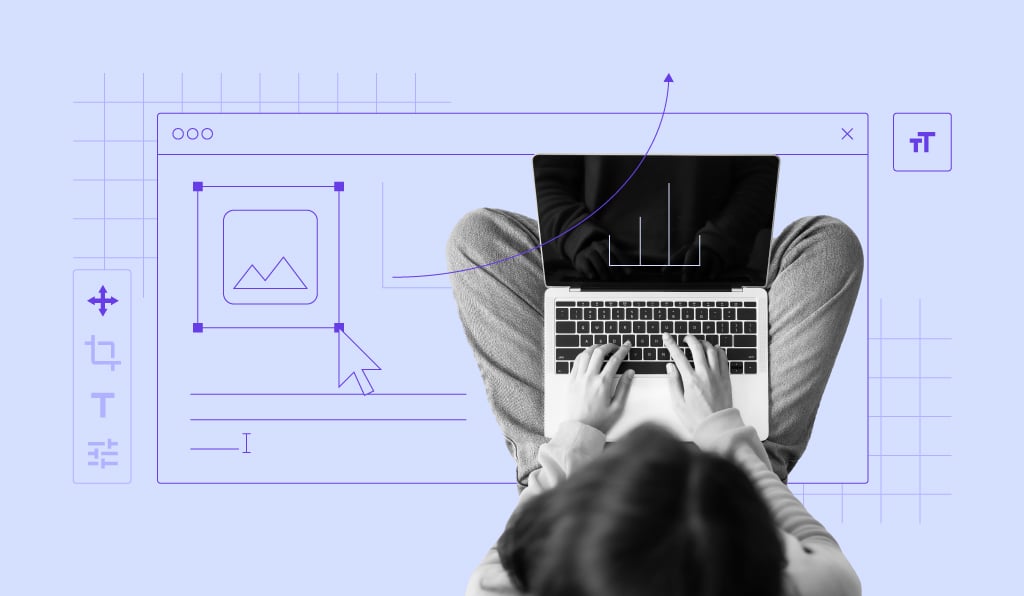
Your website is often the first place people meet your brand. If your web design isn’t clear and engaging, you could lose visitors before they even get to know you.
Imagine having a site that not only looks great but also guides your visitors smoothly to what they need. This article will show you how good web design can boost your business, keep visitors interested, and turn clicks into loyal customers.
Finding the best webdesign services in Barcelona means tapping into a unique digital ecosystem where Mediterranean creativity meets high-end technical precision. Leading agencies like Several.pro, La Teva Web, and Bardo distinguish themselves by offering more than just aesthetics; they provide integrated solutions that combine custom UI/UX design with robust SEO strategies and mobile optimization.
Ready to transform your online presence? Keep reading to discover the key secrets behind effective web design.
Key Elements Of Effective Web Design
Effective web design makes a website easy to use and visually pleasing. It helps visitors find information fast. Good design also builds trust and keeps visitors coming back. Certain key elements shape a strong website design.
These elements work together to create a smooth experience. They make sure the site looks good on any device. They keep the brand clear and consistent. They also help the site load quickly. Below are the main elements that every good web design should have.
Clean And Simple Layouts
A clean layout avoids clutter and confusion. It uses space well and guides the eye naturally. Simple layouts make content easy to read and understand. They help visitors focus on what matters most. Clear menus and sections improve navigation.
Consistent Branding
Consistent branding uses the same colors, fonts, and logos. It creates a strong identity for the site. Consistency builds trust and recognition. Visitors feel more comfortable when design matches the brand. Every page should reflect the same style.
Responsive Design For All Devices
Responsive design adjusts the layout to fit any screen size. It works well on phones, tablets, and desktops. This flexibility improves user experience. Visitors stay longer when the site is easy to use everywhere. Responsive design is essential for modern websites.
For example, responsive design is especially valuable for service-focused businesses where customers often interact on mobile devices. Platforms like Time Tailor demonstrate how adaptable layouts can improve the booking process for salons by keeping navigation, service details, and contact options clear across all screens. This kind of structure shows how responsive design supports both usability and brand consistency, helping users complete tasks smoothly no matter what device they use.
Fast Loading Speeds
Fast loading keeps visitors from leaving too soon. It improves search engine rankings and user satisfaction. Optimizing images and code helps speed up the site. A quick website feels more professional and reliable. Speed matters for every visitor’s experience.
Enhancing User Experience
Enhancing user experience is essential for a successful website. It keeps visitors interested and helps them find what they need fast. A good design creates a smooth and pleasant journey for every user. Simple and clear elements improve how people interact with your site.
Intuitive Navigation
Easy navigation guides users without confusion. Menus should be simple and logical. Clear labels help users know where to click next. A well-structured menu saves time and reduces frustration. Visitors find information quickly and stay longer on the site.
Accessible Content
Content should be easy for everyone to read. Use large fonts and high contrast colors. Break text into small paragraphs for quick reading. Include alt text for images so screen readers work well. Accessible content ensures all users feel welcome and can access information.
Clear Calls To Action
Calls to action tell users what to do next. Buttons should stand out with bright colors and simple words. Use direct phrases like “Sign Up” or “Learn More.” Clear actions help users move through the site with confidence. This leads to better engagement and results.
Engaging Visuals
Visuals catch attention and make content easier to understand. Use images, icons, and videos that relate to your message. Avoid clutter and keep visuals clean and neat. Engaging visuals create a stronger connection with visitors and make the site more enjoyable.
Optimizing For Search Engines
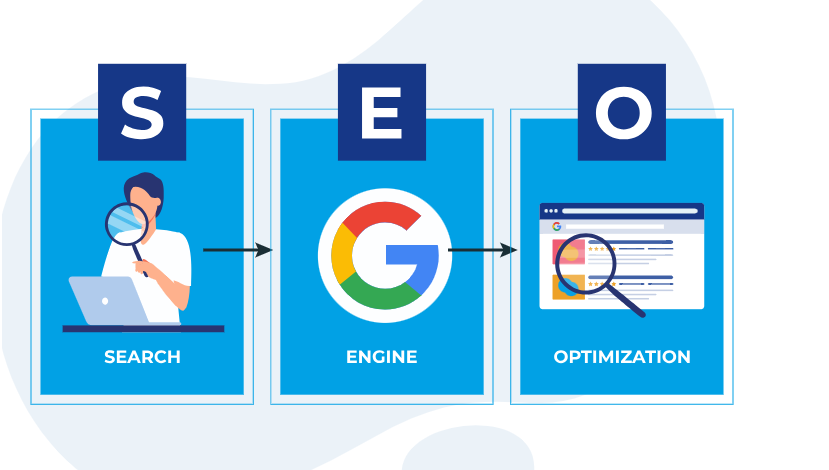
Optimizing a website for search engines is essential for attracting visitors. A well-optimized site ranks higher on search results. This increases visibility and drives more traffic. Search engines use algorithms to find the best content. Good web design helps search engines understand your site better.
Seo-friendly Structure
A clear website structure helps search engines crawl pages easily. Use simple navigation with logical categories and subcategories. Proper use of headings organizes content effectively. Clean URLs with keywords improve search rankings. Avoid too many layers in the menu for better user experience.
Quality Content Creation
Create content that answers users’ questions clearly. Use relevant keywords naturally within the text. Short paragraphs and bullet points make reading easier. Include images with descriptive alt text for better context. Regularly update content to keep it fresh and useful.
Meta Tags And Descriptions
Meta tags help search engines understand page content. Write unique title tags with main keywords for each page. Meta descriptions should be clear and invite clicks. Keep meta descriptions under 160 characters. Avoid keyword stuffing and focus on relevance.
Mobile Optimization
Many users browse on phones and tablets. A mobile-friendly design improves user experience and rankings. Use responsive layouts that adjust to screen sizes. Fast loading speed is crucial on mobile devices. Test your site on different devices to ensure usability.
Leveraging Modern Design Trends
Modern design trends shape how users experience websites today. They focus on clarity, ease, and style. Using these trends helps websites look fresh and work well on all devices.
These trends also improve user engagement. Visitors stay longer and interact more with content. Web designers must keep up with these changes to create relevant sites.
Minimalism
Minimalism means using less to show more. It removes clutter and focuses on important elements. Simple layouts and lots of white space make content easy to read. This style helps users find what they need fast.
Dark Mode
Dark mode uses dark backgrounds with light text. It reduces eye strain, especially in low light. This trend saves battery life on mobile devices. Many users prefer dark mode for comfort and style.
Microinteractions
Microinteractions are small animations or effects on user actions. They give feedback and make the site feel alive. Examples include button clicks, hover effects, and loading animations. These details improve user experience and satisfaction.
Custom Illustrations
Custom illustrations add unique visuals to a website. They support brand identity and make sites memorable. Unlike stock images, custom art fits the site’s message perfectly. This trend helps websites stand out from competitors.
Tools And Resources For Web Designers
Web design requires the right tools and resources to create great websites. These tools help designers plan, design, and test their work. The right software and assets save time and improve quality. Below are key tools every web designer should know about.
Design Software Options
Design software is the foundation of web design. Programs like Adobe XD, Figma, and Sketch allow designers to create layouts and visuals. These tools offer easy drag-and-drop features and support collaboration. They help create wireframes, mockups, and final designs efficiently.
Prototyping Tools
Prototyping tools let designers build interactive previews of websites. Tools such as InVision and Marvel enable users to test navigation and user experience. Prototypes show how a site will work before coding starts. They help find issues early and improve design flow.
Stock Images And Icons
Stock images and icons enhance website visuals without extra effort. Resources like Unsplash and Flaticon offer free and paid options. Using quality images and icons makes sites look professional. These assets support content and improve user engagement.
Performance Testing
Performance testing tools check how fast and smooth a website runs. Tools like Google PageSpeed Insights and GTmetrix analyze loading times and suggest fixes. Fast sites keep visitors happy and improve search rankings. Testing ensures websites work well on all devices.
Measuring And Improving Website Success
Measuring and improving website success is key to building a strong online presence. It helps you understand how visitors interact with your site. This insight guides better design and content decisions. Tracking success allows you to spot problems early and fix them fast. A well-maintained website keeps users happy and encourages them to return.
Analyzing User Behavior
Tracking user actions shows what visitors like and dislike. Tools like heatmaps and session recordings reveal where users click and scroll. Studying this data helps identify confusing parts of your site. It also shows which pages hold visitors’ attention longest. Use this information to improve navigation and content placement.
A/b Testing Strategies
A/B testing compares two versions of a webpage to see which performs better. Change one element at a time, like a button color or headline. Run tests on real users to gather clear results. This method reduces guesswork and improves design based on facts. Small changes can lead to big improvements in user engagement.
Tracking Conversion Rates
Conversion rates measure how many visitors complete desired actions. Actions include signing up, making purchases, or filling forms. Tracking these rates shows if your site meets business goals. Use tools like Google Analytics to monitor conversions easily. Improving conversion rates boosts your website’s overall success.
Continuous Updates And Maintenance
Regular updates keep your website secure and fast. Fix broken links and outdated content to improve user experience. Update designs to match current trends and technologies. Consistent maintenance prevents technical issues from hurting your site. A fresh and smooth website attracts and retains visitors better.
Conclusion
Web design shapes how visitors see your website. Clear layouts and simple navigation keep users engaged. Fast loading pages improve user experience and search rankings. Mobile-friendly designs reach more people on different devices. Good web design builds trust and encourages action.
Small changes can make a big difference in results. Keep learning and updating your site for best outcomes. A well-designed website helps your business grow steadily.