Most leaks are predictable, and the fixes are usually straightforward when the right parts and practices are in place.
Leaks rarely start as a crisis. They begin as a slow drip on the floor, a damp clamp, or a faint hiss that only shows up when a pump kicks in. In a busy brewery or beverage plant, that tiny warning can turn into lost product, unplanned cleaning, and a shift that gets swallowed by reactive maintenance. The good news is most leaks are predictable, and the fixes are usually straightforward when the right parts and practices are in place.
Where leaks really come from
With butterfly valves, most drips aren’t caused by the body itself. They’re usually tied to sealing surfaces, worn seats, tired O-rings, or a clamp connection that hasn’t been seated cleanly after a changeover. Even a small nick in a gasket or a bit of grit on a sealing face can create a path for product to creep out under pressure, especially during warm transfers or CIP cycles.
The other common culprit is mismatch: the valve is fine, but it’s paired with the wrong gasket material for the chemical regime, or it’s installed in a spot where vibration and temperature swings work the connection loose over time. When seals and fittings aren’t selected with the full process in mind, leaks have a way of returning.
Catch it early, fix it fast
Leak prevention starts with a quick, repeatable inspection routine that fits into normal operations. During washdown or pre-start checks, look for residue trails around the valve seat area, moisture around the stem, and any staining around tri-clamp joins. Those “small” signs can point to bigger issues like seat compression loss or an O-ring that’s hardened from heat and chemicals.
It also pays to check the basics: correct clamp alignment, even tightening, and clean sealing faces. Hygienic hardware is designed to come apart, be cleaned thoroughly, and go back together without guesswork. When valves and fittings are manufactured with smooth internal profiles and consistent tolerances, reassembly is faster and far less prone to pinching or mis-seating a seal.
Materials matter in real-world CIP
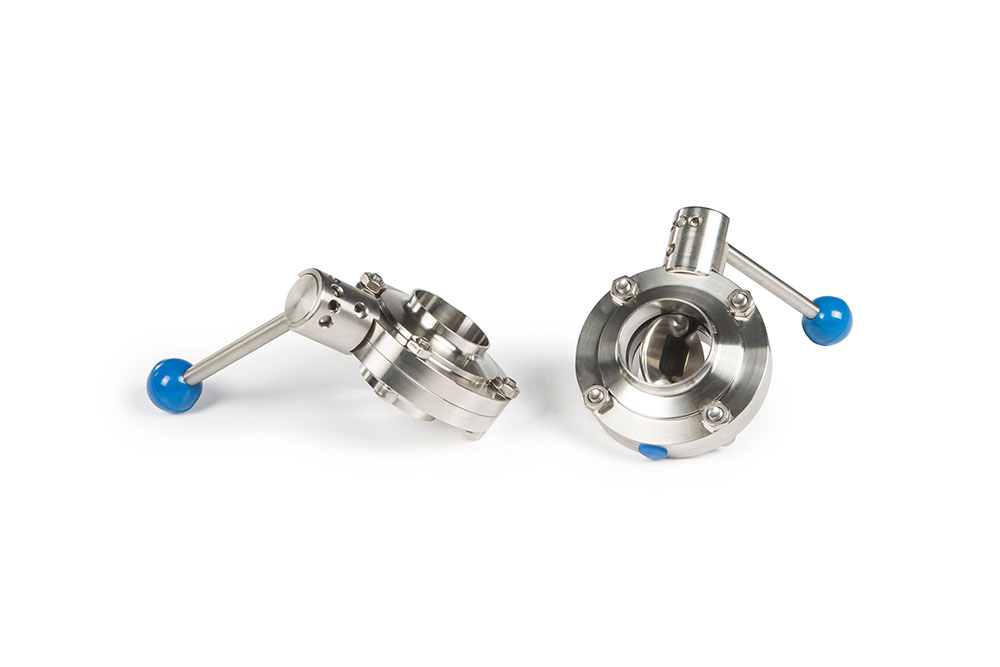
Sanitary processing isn’t gentle, as caustic, acid, heat, and rapid temperature changes all take their toll on elastomers and sealing surfaces. That’s why selecting stainless steel butterfly valves is often about more than corrosion resistance. It’s about durability through repeated cycles, maintaining cleanable surfaces, and avoiding the rough spots that can harbour residue or accelerate wear.
In hygienic line design, stainless construction paired with properly specified gasket materials helps keep seals stable and predictable. Chemical-resistant gaskets reduce swelling and softening, and a well-machined valve body supports better seat contact, which is the difference between a crisp shut-off and an annoying weep that keeps coming back.
The small parts that protect uptime
Valves get the attention, but the supporting cast does the heavy lifting. A fresh gasket with the right hardness, a correctly sized O-ring, and a clamp that seats evenly can prevent hours of downtime. Screens and strainers upstream can also protect valve seats from particulate damage, particularly in dry-hop-heavy beer, fruit additions, or any process where solids occasionally sneak through.
Reliable supply and consistent specs matter here. When replacement seals, clamps, and valve components are readily available and designed for hygienic service, maintenance becomes planned rather than disruptive. It’s the difference between a quick swap during a scheduled window and a production halt while someone hunts for “something close enough”.
Build a leak-resistant line, not just a leak fix
Stopping drips is about creating a system that stays tight under normal operating conditions. That means choosing sanitary valves that are easy to clean, designed for frequent operation, and supported by quality seals and fittings that hold up to Australian production realities. When the valve, gasket, clamp, and cleaning regime are all working together, leaks become the exception, not the rule, and shifts stay focused on making product, not mopping it up.