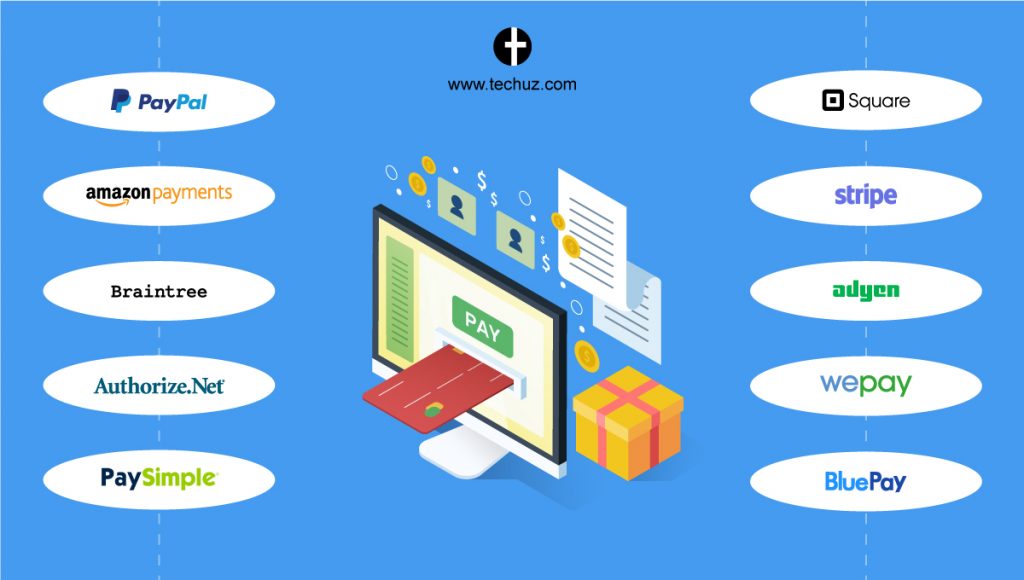
Payment speed is an important indicator that directly affects sales, and has always been. Whereas transfers used to take several days, now they take seconds, and this is essential for the experience – the better speed, the better sales. That’s why companies are switching to instant systems because customers don’t want to wait long. The first to implement same day settlement payment gataways gained a market advantage.
The Power of Instant Payment Systems in 2026
Banks around the world introduced instant payment systems, and this transformation went from novelty to a standard used by millions of companies. Transfer volumes continue to grow each quarter, pushing businesses to rethink their financial processes and adapt to new market demands. In response, these systems are rapidly expanding their functionality, adding support for more countries and currencies.
What is an Instant Payment Gateway?
It is a technology that allows you to transfer money between accounts in a matter of seconds. When a buyer pays, the seller receives confirmation immediately, which is visible in the dashboard. It works at any time, including nights, weekends, and holidays. You can ship the goods immediately after receiving notification. This technology requires fewer intermediaries than card-based systems. You can see every transaction and fully control all processes.
How Real-Time Rails (FedNow, RTP, SEPA Instant) Redefine Business Speed
There are specialized channels for fast bank-to-bank transfers. In America, it is FedNow; in Europe, SEPA Instant, or RTP. Previously, money passed through several processing centres, which took several days. Now, transfers take about ten seconds at any time of the day. You receive payment from the customer and can pay the supplier immediately. These systems cover thousands of banks across the region, so they are available to almost everyone.
Why 24/7/365 Availability is Non-Negotiable for Online Stores
Round-the-clock operation of an online store is a necessity that underpins the business’s success. If a customer decides to buy something on Saturday evening, they will not wait until Monday. This is especially critical for international trade, because while it’s nighttime for you, it may be business hours for your customer. Round-the-clock systems completely eliminate this problem, allowing you to accept payments at any time.
Why Your Business Needs a Quick Payment Gateway
Instantly settlement Payment Gateways allow you to get the most out of your business. This way, you can receive funds instantly, reduce commission costs and increase sales.
Unlocking Working Capital: Moving Beyond Multi-Day Settlement Delays
With traditional payments, funds can remain in processing for several days. This leaves uncertainty about whether the payment has actually been completed. These payments eliminate this delay and give you immediate access to the money, so you can reinvest and pay suppliers without waiting.
Boosting Conversion Rates with Frictionless One-Click Checkouts
Every additional action on the payment page reduces the likelihood of a purchase. When a customer has to enter a 16-digit card number, an expiration date, and a 3-digit CVV, it takes time and tires the buyer. Instant transfers are easier: the buyer simply presses a single button in their bank’s app, and the process takes three seconds instead of a whole minute. This is especially noticeable on a phone, where typing long numbers is extremely inconvenient. The simpler the payment process, the more people will see it through to the end and complete their purchase.
Reducing Costs: Direct Bank-to-Bank Transfer vs. High Card Fees
Card payments incur a 2% to 3% fee per payment. When you have high turnover, these percentages add up to serious amounts. Direct transfers between banks are much cheaper, as they often involve a fixed fee rather than a percentage of the amount. This money can be reinvested in business development or used to lower prices to attract customers.
Lowering Risks: Advanced Fraud Prevention and Real-Time Verification
The system verifies the customer’s balance before processing the payment. If funds are insufficient, it is not completed. Payment confirmation is sent via the customer’s banking app using two-factor authentication.
Automated monitoring detects and blocks suspicious activities in real time, reducing fraud and minimizing investigation time.
Choosing the Best Solution for Fast Online Transactions
When choosing a payment gateway, pay attention to ease of use and technical capabilities. The system should be easy to integrate into your existing website or application. Not only is processing speed important here, but also reliability and reasonable service prices.
Key Factors: API Flexibility, SDK Stacks, and Webhook Support
An API is the technical part that connects the system to your website. It should be clear and simple, and easy to understand. There are ready-made code libraries for popular programming languages that speed up integration several times.
A webhook is an automatic notification about the status of each payment. When the money arrives, the system will let you know. If an error occurs, you will also be notified immediately.
In addition, a good payment gateway should include:
- Easy connection with detailed examples and step-by-step instructions;
- Ready-made code for popular languages such as Python, PHP, JavaScript;
- Automatic notifications for each payment event;
- A test environment for secure testing of all scenarios;
- Detailed records of all operations for quick error detection.
When the technical part is simple and understandable, it saves a lot of time and money.
Multi-Currency Support for Global E-commerce Expansion
If you operate in different countries, you need multi-currency support. Customers want to see prices in their familiar currencies, namely dollars, euros, and pounds. No one wants to mentally convert dollars to euros before every purchase.
Integration Guide: Setting Up Your Instant Gateway with Carteza
Setting up a payment gateway involved several consecutive steps. Each stage must be carefully thought out in advance so that you don’t have to redo everything later. The entire process includes system configuration, thorough testing, and final launch.
Step 1: Defining Your Business Needs
First, calculate how many payments your business processes per day. This number will determine your choice of pricing plan and the required system capacity. The average purchase amount will influence your choice of commission structure. For example, a fixed fee is more advantageous for small purchases, while a percentage is better for large purchases.
The geography of your customers shows which currencies you will need in your work. If you have peak loads at certain times or days, the system should have a power reserve to cover them.
Step 2: Merchant Account Setup and Quick Verification Process
Account registration begins with the submission of your company’s documents. Typically, you will need to provide your business registration details, information about the director, and a brief description of your activities.
Document verification takes from a few hours to up to 2 business days. Once approved, you will be issued special access keys for both testing and actual work.
Step 3: API Integration and Testing in Sandbox Mode
API connection begins in a special test environment called a sandbox. Your programmer sets up a basic workflow: creating a payment, redirecting the customer to the payment page, and receiving the transaction result.
With the sandbox, you can test absolutely everything without the risk of losing real money. You need to check successful payments, payment cancellations, various errors, and delays.
Step 4: Going Live and Monitoring in Real-Time
The launch into production begins with replacing the test keys with real working ones. It is best to make the first payments in small amounts to ensure that everything is working correctly. The monitoring system shows the percentage of successful transactions, where errors occur, and how long processing takes.
Future of Digital Payments: From Mobile Wallets to Biometric Checkout
Digital payments are constantly evolving. We can use mobile wallets and biometrics. which completely transforms the payment process. Different payment methods vary in speed:
| Payment Method | Processing Time | User Action Required | Convenience Level |
| Traditional card entry (Credit/Debit Cards) | 45-60 seconds | Enter 16 digits + CVV + expiry | Low |
| Saved card | 10-15 seconds | Confirm CVV code | Medium |
| Mobile wallet (Apple/Google Pay – SEPA) | 3-5 seconds | Fingerprint or face scan | High |
| Biometric checkout | 1-2 seconds | Just look at the camera | Very high |
Payment gateway with instant payouts is moving toward making the payment process as seamless and fast as possible, sometimes within seconds, providing instant access.
Seamless In-App Conversions via Apple Pay and Google Pay
Apple Pay and Google Pay have effectively transformed an ordinary smartphone into a fully-fledged payment tool, as they accept payments. The buyer simply places their finger on the scanner, waits a few seconds, and they’re done, thanks to the instant approval payment gateway.
Automated Reconciliation: Streamlining Your Accounting Workflow
Automated payment reconciliation saves countless hours of work. For example, Carteza can automate financial processes:
- Automatically matches incoming real-time payments with issued invoices using unique numbers;
- Categorizes transactions into the required categories and projects according to specified rules;
- Automatically generates detailed financial reports for any selected period.
This type of automation pays for itself in just a couple of months of operation