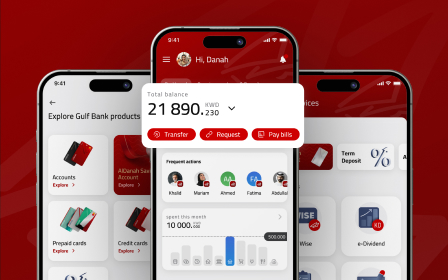
Younger generations don’t approach banking the way their parents did. They expect apps to be as simple as social media and as personalized as music playlists. To meet these expectations, banks need digital-first experiences that blend lifestyle with finance.
The Challenge of Banking for Gen Z
Traditional banking websites and apps often feel outdated and bureaucratic. Forms are long, language is complex, and the tone feels impersonal. Gen Z wants immediacy, personalization, and design that feels like part of their daily life.
The ila bank design project demonstrates how a lifestyle-first approach can reshape customer engagement. Instead of building another generic banking app, the design team created an experience that felt modern, friendly, and aligned with young users’ digital habits.
Key Features of the Redesign
- Simplicity: fast onboarding, fewer steps, and transparent flows
- Personalization: customizable dashboards and lifestyle-driven features
- Visual storytelling: playful, colorful interfaces instead of corporate tones
- Mobile-first design: optimized for quick, everyday banking interactions
Lessons Learned
- Clarity is a trust signal in finance
- Personalization boosts daily engagement
- Branding must feel human, not institutional
Conclusion
The ila bank case proves that digital banking is no longer just about transactions—it is about lifestyle alignment. Financial services are expected to integrate seamlessly into people’s daily routines, feeling less like formal institutions and more like personal companions. Younger generations don’t simply want an app to check balances or transfer money; they want a platform that reflects their habits, values, and expectations for immediacy.
By designing specifically for Gen Z and millennials, ila set a precedent for how banks can remain relevant and appealing in a competitive digital landscape. The project demonstrated that simplicity, personalization, and vibrant visual storytelling can transform banking into something engaging and approachable, rather than intimidating.
Most importantly, it highlights a broader shift in the industry: when design aligns with user psychology, financial products evolve from being perceived as chores into trusted lifestyle tools. Banks that follow this model will not only gain adoption but also build loyalty among audiences that view finance as part of their identity, not just a service. Ila bank’s example shows that thoughtful design can redefine what “banking” means for an entire generation.