

Color psychology plays a powerful role in shaping consumer behavior and influencing purchasing decisions. In marketing, the strategic use of color can evoke emotions, build brand recognition, and guide customer responses—often without them even realizing it.
By understanding how different colors impact perception, businesses can craft more compelling messages and create stronger connections with their target audience. In this article, we’ll explore 8 effective ways to use color psychology in marketing, along with real-world examples to help you implement these techniques successfully.
What is color psychology?
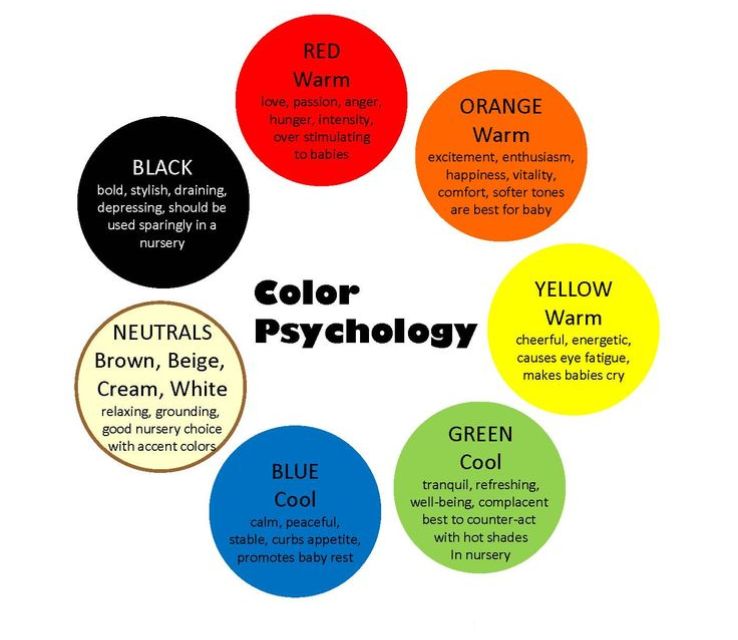
Color psychology delves into the fascinating interplay between colors and human emotions, influencing our perceptions and behaviors in subtle yet profound ways. Each hue carries its own unique set of associations — blue often evokes feelings of calmness and trust, while red ignites passion and urgency.
This understanding is not just theoretical; businesses leverage color psychology to shape branding strategies, enhance customer experiences, and drive purchasing decisions. The right color palette can create an inviting atmosphere or stimulate appetite, illustrating how deeply intertwined our emotional responses are with visual stimuli.
Beyond marketing and branding, color psychology plays a significant role in our personal lives. The colors we choose for our living spaces, clothing, and even art can reflect and influence our moods. Warm tones like orange and yellow can foster creativity and energy, making them ideal choices for collaborative workspaces.
Cooler shades might be better suited for relaxation areas, promoting tranquility and peace of mind. By consciously selecting colors that resonate with our desired emotional states, we can curate environments that enhance our well-being.
The cultural context surrounding colors adds another layer of complexity to color psychology. While white is often associated with purity in Western cultures, it signifies mourning in some Eastern traditions. Understanding these nuances not only enriches our appreciation of color but also broadens our perspectives on communication across diverse cultural landscapes.
Why does the psychology of color in marketing matter?
Color psychology in marketing is a powerful tool that shapes consumer perception and influences purchasing decisions. Different colors evoke specific emotions and associations, allowing brands to craft their identity and messaging effectively.
Blue often conveys trust and reliability, making it a popular choice for financial institutions. In contrast, vibrant reds can stimulate excitement and urgency, which is why they frequently appear in clearance sales or fast-food branding.
The impact of color extends beyond mere aesthetics; it taps into the subconscious mind, guiding consumers toward a desired action without them even realizing it. Brands that understand this can create a cohesive visual language that resonates with their target audience.
This is especially crucial in today’s competitive market, where standing out is essential. By strategically choosing colors that align with their brand values and customer preferences, companies can foster deeper emotional connections and drive brand loyalty.
Cultural contexts play a significant role in color perception, adding another layer of complexity to color psychology in marketing. A color that symbolizes prosperity in one culture may represent something entirely different in another.
Marketers must consider these nuances when designing campaigns for diverse audiences to ensure their messages are received as intended. This awareness not only enhances brand relevance but also shows respect for the varied backgrounds of potential customers.
How to use color psychology to improve your marketing
Using color psychology in marketing helps create emotional connections with your audience. Different colors trigger different feelings like trust with blue or excitement with red. By aligning your brand colors with your message, you can influence how customers perceive your business. Colors also help improve brand recognition and recall. Thoughtful color choices in ads, packaging, and websites can boost engagement and conversions.
1. Learn color psychology essentials

Understanding color psychology is fundamental for any marketer aiming to connect with their audience on a deeper level. Each color evokes specific emotions and associations; for instance, blue often signifies trust and dependability, while red can evoke excitement and urgency. Familiarizing yourself with these associations allows you to strategically select colors that resonate with your target demographic, ultimately enhancing your marketing efforts.
2. Start with emotion first
Before diving into design, consider the emotional response you want to elicit from your audience. By prioritizing emotion over aesthetics, you can create a compelling narrative that aligns with your brand’s values. For example, if your brand focuses on wellness, using soft greens and blues can evoke tranquility and balance, fostering a connection that encourages customer loyalty.
3. Get inspired by other brands
Analyzing how successful brands utilize color psychology can provide invaluable insights. Look at industry leaders or competitors and note how they use colors to convey their message. This doesn’t mean copying their strategies; instead, draw inspiration to identify gaps in your own approach. Unique interpretations of established color schemes can set your brand apart while still tapping into familiar emotional responses.
4. Keep it consistent with your branding
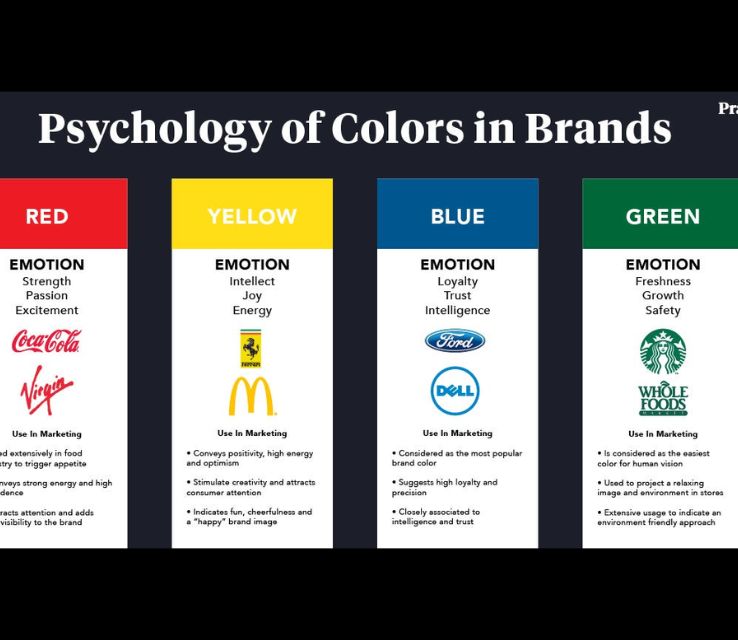
Consistency is key when leveraging color psychology in marketing. Ensure that the colors you choose align seamlessly with your overall branding strategy across all platforms — be it your website, social media, or print materials. This uniformity not only strengthens brand recognition but also reinforces the emotional connections you’ve cultivated, making your marketing efforts more effective and memorable.
5. Create a brand color palette
Crafting a cohesive brand color palette is essential in harnessing the power of color psychology. Start by selecting colors that resonate with your brand’s identity and mission. For instance, if your brand promotes health and wellness, greens and soft blues might evoke feelings of tranquility and balance. Ensure that your palette includes primary colors for core branding and secondary colors for accents; this strategy not only enhances visual appeal but also strengthens brand recognition.
6. Keep cultural context in mind
Color meanings can vary significantly across cultures, making it crucial to consider cultural context when designing your marketing materials. A color that symbolizes luck in one culture may represent mourning in another. By understanding your target audience’s cultural backgrounds, you can choose colors that resonate positively and avoid potentially offensive associations, thereby enhancing your brand’s global reach and relatability.
7. Try to add some blue
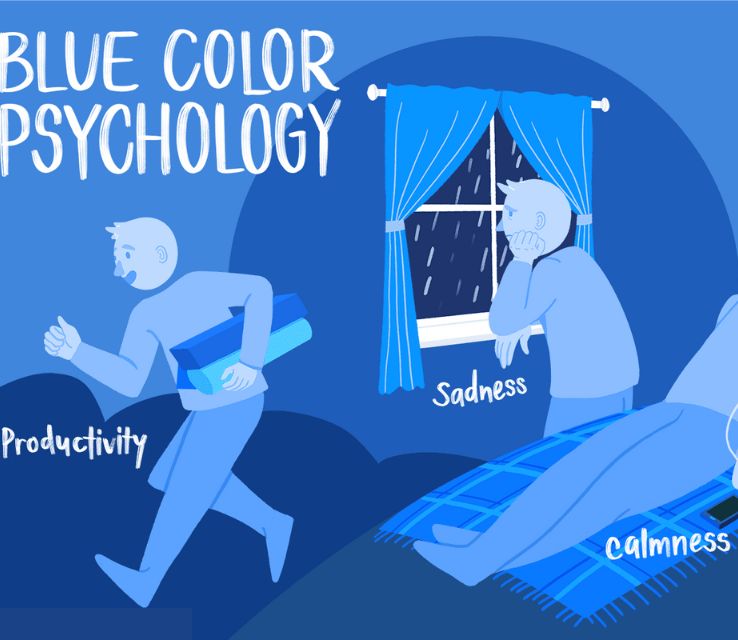
Incorporating blue into your marketing strategy can be a game-changer due to its universal appeal and calming effects. Studies show that blue often conveys trust and dependability, making it particularly effective for brands in sectors like finance and technology. By integrating various shades of blue whether as a dominant brand color or an accent you can enhance customer loyalty and create a sense of stability, ultimately influencing purchasing decisions.
8. Run color tests with your audience
To truly understand the impact of color psychology on your audience, conduct A/B tests with different color schemes in your marketing campaigns. Analyzing how subtle changes in color affect engagement metrics can provide valuable insights into consumer preferences.
This data-driven approach allows you to fine-tune your branding efforts, ensuring that your color choices not only align with psychological principles but also resonate with your specific audience, maximizing effectiveness and fostering deeper connections.
Make color psychology work for you
Color psychology is a powerful tool that can transform how we communicate and connect with others. Each hue carries its own emotional weight; for example, blue evokes feelings of calm and trust, making it ideal for brands seeking to establish credibility.
On the other hand, vibrant reds can stimulate energy and excitement, perfect for campaigns aimed at grabbing attention and driving action. By strategically incorporating these colors into your branding or design, you can shape perceptions and influence behavior without uttering a single word.
Understanding the psychological impact of color extends beyond mere aesthetics; it can be an integral part of your marketing strategy. Using warm colors like yellow and orange can create a sense of urgency in sales promotions, prompting quicker consumer decisions.
Softer colors such as pastels often evoke comfort and nostalgia, making them suitable for products aimed at relaxation or self-care. Tailoring your color choices to align with your target audience’s emotions can significantly enhance engagement and connection.
Color psychology is not just about individual colors but also about how they interact with each other. Combining complementary colors can create visual harmony that resonates well with viewers, while contrasting colors can energize and draw attention.
By experimenting with different color palettes, you can discover combinations that not only capture attention but also convey the right message. This nuanced approach allows for a deeper emotional resonance with your audience, creating a lasting impact on their perception of your brand.
Don’t underestimate the importance of cultural context in color psychology. Colors can carry different meanings across cultures; for example, white symbolizes purity in some societies but may represent mourning in others.
When developing global marketing strategies, it’s crucial to research and understand these cultural differences to avoid miscommunication. Leveraging color psychology in a culturally aware manner can elevate your brand’s appeal and ensure that your message is both effective and respectful across diverse audiences.