Every big taxi app started as a small idea. Someone looked at how people were getting around their city and thought, “There’s a better way to do this.” Then that idea turned into a real app that people use every day.
If you’re a founder with a taxi business idea, you’re standing exactly where those companies once stood. The hard part isn’t the idea. It’s turning that idea into an app that actually works, that drivers trust, and that riders keep coming back to. That’s where a good development partner comes in.
This blog breaks down how to think about that journey, what your app really needs, and which ready-made taxi booking app providers can get you to market faster in 2027.
Turning an Idea Into a Working App
Having an idea for a taxi business is the easy part. Almost anyone can say, “I want to build the next Uber for my city.” Making it real is where most people get stuck.
Here’s the thing founders often miss: a taxi app isn’t just one app. It’s a small system made of different parts that all talk to each other.
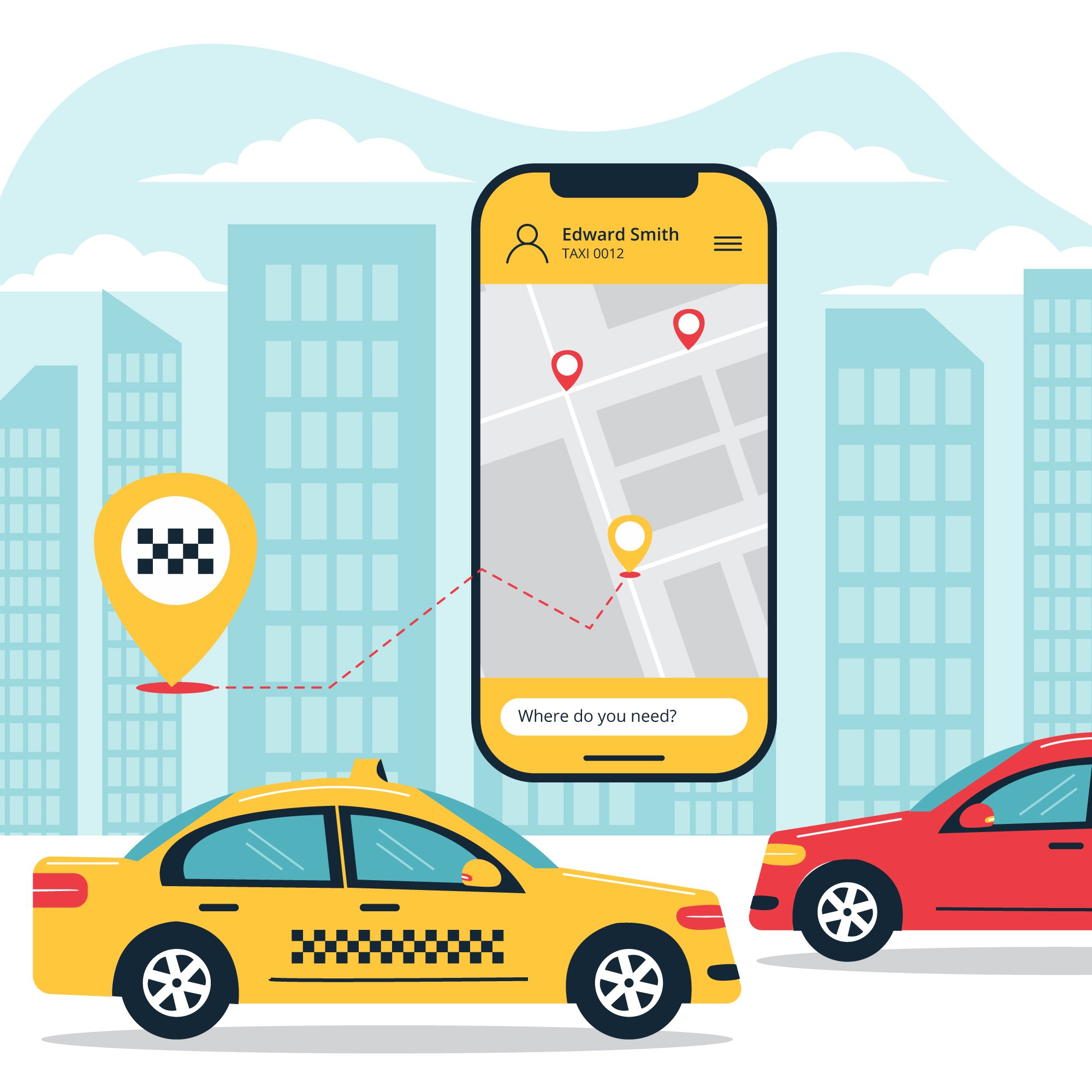
You need something for riders to book a ride. You need something for drivers to accept that ride and get paid. And you need a control room in the background where you, as the business owner, can see everything happening, who’s driving, how much money is coming in, and where problems are showing up.
Once you understand that a taxi app is really three tools working as one, choosing a development partner gets a lot easier. You’re not just picking someone to design a pretty app. You’re picking someone to build your whole operating system. This is why many founders start with a taxi booking app clone: the rider app, driver app, and admin panel come pre-built, so you customize instead of starting from zero.
Why Now Is a Good Time to Launch a Taxi App
A few years ago, starting a taxi app meant hiring a full team of developers and waiting a year or more before launch. Today, ready-made taxi booking app solutions let you enter the market in weeks instead.
Cloud servers are cheaper. Ready-made app templates and Uber clone scripts exist, and clone app development has made it far easier to build and test new apps without months of custom work. Payment systems can also plug in with a few lines of code. This means a founder with a smart idea and a decent budget can go from zero to a live app in a matter of weeks, not years.
There’s also more room to be different. A clone app is a starting point, not a copy. You don’t have to copy Uber exactly. Some founders are building taxi apps just for women passengers who want extra safety features. Some are focused only on electric vehicles. Others are building apps for small towns that big companies never bothered to serve. The tools available today make all of these ideas possible without needing a massive budget.
What Your First Version Should Include
A taxi app clone is a ready-made platform modeled on proven ride-hailing apps like Uber, with the core features already built and tested. Instead of paying for months of custom development, you launch on a working foundation and spend your budget on branding, local features, and driver acquisition. For first-time founders, an on-demand taxi app clone cuts both cost and risk.
New founders often make one of two mistakes. Either they try to add every feature under the sun before launch, which delays everything, or they launch with something too basic, and riders and drivers give up after one bad experience.
The middle ground looks something like this:
Riders should be able to book a ride, see where their driver is on a map, and pay without needing cash. Drivers should be able to accept a ride, get clear directions, and see how much they’re earning. And you, the founder, should have a dashboard that shows you what’s happening across your whole city in real time.
Beyond that, a few smaller things build trust fast: showing the fare before the ride starts, letting riders rate their driver, and giving people a way to contact support if something goes wrong. None of this needs to be fancy. It just needs to work smoothly every single time.
Solution Providers That Help You Build It
A number of companies specialize in ready-made taxi app and clone app development and have already solved the hard technical problems. To keep the comparison fair, each one is broken down the same way: what they’re known for, and the features that set them apart.
Uberclone.co
Known for: ready-to-launch, fully AI-powered uber clone apps with complete source code ownership.
- You own the code outright once you buy it, so it’s genuinely yours to change
- One system runs several ride types, including car pooling, EV taxis, corporate accounts, and rentals
- AI tools match riders to the nearest driver and adjust pricing during busy hours
- A strong pick if you want to launch fast but still make the platform your own
Elluminati
Known for: Expertise in clone app development and scaling mobility platforms.
- Their flagship product, RydeX, bundles rider, driver, dispatcher, and admin apps together
- Direct Google Maps integration for accurate routing and navigation
- Built to handle growth from a single city to many
- A good fit if your goal is long-term scale fast launch
Appdupe
Known for: letting founders pick and choose extra features instead of one fixed package.
- Optional add-ons like fare bidding, geo-fencing, and accessible-vehicle tagging
- Covers unusual business needs without forcing you into a rigid template
- Works well for founders whose idea has a few non-standard requirements
Yelowsoft
Known for: heavy automation and full white-labeling out of the box.
- Dispatch is automatic; rides get assigned without manual matching
- Your brand name and colors appear everywhere, and nothing shows Yelowsoft’s name
- Also builds for airport transfers and corporate travel, useful if you plan to expand later
SpotnRides
Known for: AI-enabled, white-label taxi apps built for fast market entry.
- Automated dispatch, voice-based booking, and multi-region support built in
- Covers niche taxi models too, including outstation, corporate, and rental rides
- Positioned for entrepreneurs who want to be live within days rather than months
FATbit Technologies
Known for: white-label marketplace app with over 20 years in the industry.
- Long track record building custom marketplace platforms across different industries
- Strong option if you want a partner with deep, general software experience, not just taxi-specific work
Apptunix
Known for: a complete mobility ecosystem with fast deployment.
- Full source code ownership included
- Advanced AI features built into the core platform, not sold as add-ons
- Aimed at startups, established taxi operators, and larger enterprise clients alike
- Says it’s helped hundreds of businesses launch across dozens of countries
Whichever names you shortlist, judge them against the same six things: pricing clarity, how fast they can get you live, whether you own the code, how deep the feature set really goes, how customizable it is for your region, and what support looks like after launch.
Questions to Ask Before You Sign With Anyone
Before you choose a provider, sit with these questions for a bit:
Can they show you a live demo, not just a pitch deck? A working app tells you more in five minutes than a sales presentation does in an hour.
What do you actually get after the sale? Ask exactly how long free support lasts and what happens when something breaks after that.
Will you own the code, or are you renting it forever? This matters a lot if you ever want to switch developers or build new features in-house.
Have they worked with a business in your country before? Payment habits, local rules, and even how people expect to book a ride can be very different from one place to another.
Final Thoughts on Building Your Taxi App
Here’s something a lot of new founders don’t expect: building the app is honestly the easier half. The harder part is convincing your first hundred drivers to sign up, and your first thousand riders to trust a new app over the ones they already know.
A good development partner delivers a solid, working app, and a quality taxi app clone gives you a head start on getting there. But growing your taxi business will still depend on you, how you treat your drivers, how reliable your service feels, and how well you listen when something isn’t working.
If you get the app right and stay close to the people using it, the idea you started with really can turn into a business people rely on every day.