
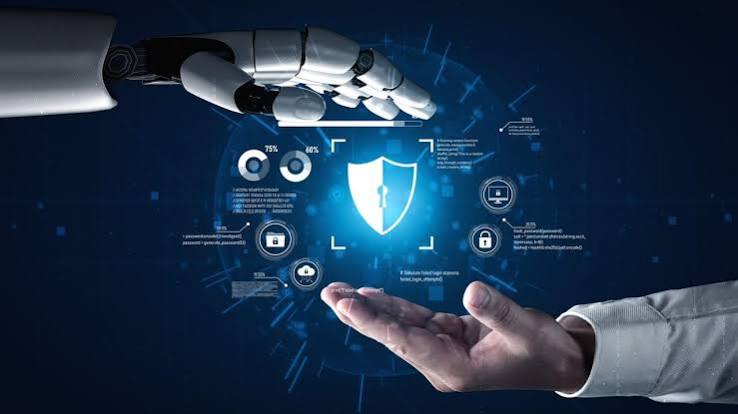
As businesses become increasingly dependent on digital applications, protecting software systems from cyber threats has become a major priority. Organizations manage sensitive customer information, financial records, internal communications, and business operations through connected platforms. A single security weakness can expose valuable data, interrupt services, and damage customer trust.
Traditional security approaches often rely on predefined rules and known threat patterns. While these methods remain useful, they may struggle to identify sophisticated attacks that change their behavior or exploit previously unknown vulnerabilities.
Artificial intelligence is introducing new possibilities for application security. AI-powered systems can analyze large volumes of activity, identify unusual patterns, and help security teams respond to potential threats more efficiently. From monitoring application behavior to detecting suspicious access attempts, these technologies are changing how organizations protect their digital environments.
1. Detecting Threats Through Real-Time Monitoring
One of the biggest advantages of AI-powered security is its ability to monitor application activity continuously. Instead of relying exclusively on scheduled security checks, intelligent systems can analyze events as they happen.
For example, an application may normally receive requests from specific locations and devices. If the system suddenly detects unusual access patterns, repeated login attempts, or unexpected data transfers, it can flag the activity for investigation.
This approach helps organizations identify suspicious behavior before it develops into a serious security incident.
AI-based monitoring can also reduce the workload for security teams by highlighting unusual activities that require attention. However, alerts should be reviewed carefully to avoid unnecessary disruptions caused by false positives.
2. Strengthening Application Protection During Execution
Application security should not stop after software development and deployment. Vulnerabilities can appear while applications are running, especially when they interact with external services, databases, APIs, and user devices.
This is where AI runtime security becomes particularly valuable. It focuses on identifying and responding to threats during application execution by monitoring behavior and detecting suspicious activities.
AI-powered runtime protection can help identify unusual processes, unauthorized access attempts, unexpected system calls, and abnormal application interactions.
For example, if an application suddenly attempts to access sensitive files that are unrelated to its normal operations, a monitoring system can flag the activity. Depending on the security configuration, organizations may investigate, restrict access, or block the suspicious behavior.
This provides an additional layer of protection beyond traditional vulnerability scanning and code reviews.
3. Identifying Unusual User Behavior
Not every security threat comes from external attackers. Compromised accounts, stolen credentials, and unauthorized employee activities can also expose business systems.
AI-powered security solutions can analyze user behavior to establish normal activity patterns. When someone performs actions that differ significantly from their usual behavior, the system can identify the activity as potentially suspicious.
For instance, an employee who normally accesses a limited set of business records may suddenly attempt to download thousands of customer files. An intelligent monitoring system can recognize this unusual pattern and generate an alert.
Organizations can use these insights to strengthen access controls and investigate potential security incidents.
However, behavioral analysis should be implemented with appropriate privacy policies and access restrictions to protect employee information.
4. Improving API and Cloud Application Security
Modern applications frequently communicate with external platforms through application programming interfaces (APIs). These connections support payments, authentication, customer management, analytics, and other business functions.
However, poorly secured APIs can become entry points for attackers.
AI-powered security tools can monitor API traffic, identify unusual request patterns, and detect potential abuse. They may recognize activities such as repeated authentication failures, unexpected data access, or unusually high request volumes.
Cloud environments also benefit from intelligent monitoring because businesses often operate across multiple services, databases, and infrastructure providers.
By analyzing activity across these environments, security teams can gain better visibility into potential threats and investigate incidents more effectively.
5. Automating Security Responses
When a cyberattack occurs, response time can influence how much damage an organization experiences. Delayed investigation may allow attackers to access additional systems or expose more information.
AI-powered security platforms can help automate selected response activities. Depending on their configuration, these systems may temporarily restrict suspicious accounts, block malicious requests, or isolate affected application components.
For example, if a system detects repeated unauthorized login attempts, it can trigger additional authentication requirements or temporarily limit access.
Automation allows security teams to respond to common threats more quickly while focusing their attention on complex incidents.
However, organizations should carefully define automated response rules. Blocking legitimate users or interrupting critical business applications can create operational problems. Human oversight remains important for sensitive security decisions.
6. Protecting Customer Information Across Digital Platforms
Businesses use multiple applications to communicate with customers, process transactions, and manage customer information. Each connected platform introduces potential security considerations.
Email marketing systems, customer relationship management platforms, payment gateways, and cloud applications may all store or process sensitive information.
For example, businesses using email services should consider authentication, account security, sender reputation, and reliable message delivery. When evaluating email service providers, comparing features and security capabilities is essential.
Organizations exploring SMTP2GO alternatives can compare different email platforms based on deliverability, authentication support, scalability, integrations, and security features. Selecting an appropriate provider can help businesses manage email communications while maintaining better control over their sending infrastructure.
AI-powered monitoring can complement these measures by identifying suspicious account activity and unusual communication patterns across connected systems.
7. Reducing Security Risks in Software Development
Security should be considered throughout the software development lifecycle rather than added after an application has been completed.
Development teams can use AI-powered tools to review code, identify potential vulnerabilities, analyze dependencies, and highlight insecure configurations.
These tools can help developers discover problems earlier, reducing the cost and effort associated with fixing security issues after deployment.
For example, an AI-assisted code analysis system may identify an unsafe input-handling function or an outdated software dependency. Developers can investigate the finding and apply appropriate corrections before releasing the application.
However, AI-generated security recommendations should not replace professional testing. Manual code reviews, penetration testing, and established secure development practices remain important.
8. Managing Security Challenges in AI-Powered Environments
Although AI improves security capabilities, it also introduces new challenges that businesses must understand.
AI systems depend on data, and inaccurate or incomplete information can affect their ability to identify threats. Poorly configured models may generate false alerts or overlook suspicious activities.
Attackers may also attempt to manipulate AI systems through malicious inputs or exploit weaknesses in the infrastructure supporting machine learning applications.
Businesses should therefore evaluate the security of their AI tools before deploying them in production environments.
Important considerations include data privacy, model access controls, monitoring accuracy, system transparency, and integration with existing security infrastructure.
Regular testing and updates can help organizations maintain reliable protection as applications and threats continue to evolve.
9. Choosing the Right Security Technologies
Selecting suitable security tools requires understanding the organization’s application architecture, operational requirements, and potential risks.
Some businesses may need runtime monitoring, while others may prioritize API protection, cloud workload security, endpoint monitoring, or automated threat detection.
Before investing in a solution, organizations should consider several factors:
- Compatibility: Ensure the security platform works with existing applications, cloud environments, and development tools.
- Scalability: Choose technology that can support increasing application traffic and business growth.
- Visibility: Look for clear monitoring dashboards, useful alerts, and detailed security reports.
- Automation: Evaluate whether the platform supports appropriate automated responses.
- Integration: Check whether it connects with existing security and incident management systems.
- Support: Consider technical assistance, documentation, and regular product updates.
A practical evaluation process helps businesses avoid unnecessary spending and choose solutions that address their actual security requirements.
10. Preparing Applications for Future Security Challenges
Cyber threats continue to evolve as businesses adopt cloud computing, automation, connected devices, and artificial intelligence. Organizations need security strategies that can adapt to these changes.
AI-powered security is likely to become increasingly important because it helps teams process large amounts of information and identify unusual behavior more efficiently.
Businesses should combine intelligent monitoring with secure software development, regular vulnerability assessments, strong authentication, and employee awareness.
They should also establish clear incident response procedures so that employees understand how to report suspicious activity and respond to potential breaches.
A proactive approach can help organizations reduce security risks while maintaining reliable digital services.
Conclusion
AI-powered security is changing how businesses protect their applications by improving threat detection, monitoring user behavior, strengthening runtime protection, and automating selected security responses.
These capabilities allow organizations to identify suspicious activities more efficiently and strengthen their defenses across cloud environments, APIs, and connected business platforms.
Businesses should also evaluate the security of their wider technology ecosystem, including communication and marketing applications. When comparing platforms, researching Moosend alternatives can help organizations assess email marketing features, integrations, and security-related capabilities before selecting a suitable provider.
Ultimately, AI should complement established cybersecurity practices rather than replace them. By combining intelligent monitoring with strong security policies, regular testing, and human expertise, businesses can build more resilient applications and protect their digital operations as technology continues to advance.